
博物馆级艺术微喷或帆布版画,制作高效,并提供多种饰面选择。 ( 购买手绘画作 切换至数字图像销售渠道)
从与原作比例一致的预设尺寸中进行选择。

您可以输入自定义尺寸,以适配特定的画框或空间。如果您选择的尺寸与原图比例不符,我们将对作品进行裁剪,或通过镜像填充/纯色填充边缘的方式来扩展图像。在开始制作之前,我们会向您发送一份数字效果图供您确认。
请注意,屏幕上的预览并不能反映实际的裁剪或扩展效果。只有效果图才能准确展示最终的构图。
虽然我们提供定制尺寸,但为了保持原图比例,我们建议您从预设列表中选择尺寸。

Mural by Solo One
复制品尺寸
The story of Paul Cronin is one where the boundaries between the dramatic arts and visual expression blur into a singular, vibrant tapestry. Born on July 8, 1938, in the quiet farming community of Jamestown, South Australia, Cronin’s early life was rooted in the rugged, honest rhythms of the land. This connection to the Australian landscape would later serve as a silent foundation for his artistic sensibilities. Before he became a household name through the flickering light of the television screen, he was an athlete of remarkable discipline, excelling in gymnastics and representing his country in the 1958 Commonwealth Games as part of the four x 100m relay team. This physical precision and dedication to form would eventually find a new outlet in the sweeping strokes of his mural work.
As he transitioned from the rural landscapes of his youth to the bustling energy of Melbourne, Cronin’s life took a cinematic turn. He moved through various roles—from truck driver to draftsman—before finding his true calling in the intense, character-driven world of Crawford Productions. It was here that he began to master the art of persona, portraying figures that resonated deeply with the Australian public. His presence on screen was marked by an ability to embody both authority and a profound, quiet compassion, a duality that would define much of his professional identity.
Cronin’s ascent in the world of television is nothing short of legendary. He became one of Australia’s most decorated actors, earning the prestigious Silver Logie Award for Best Actor five times. His performances in iconic series such as Division 4 and Homicide established him as a pillar of Australian drama, but it was his role as Senior Constable Gary Hogan in Matlock Police and its spin-off, Solo One, that truly captured the national imagination. In these roles, he navigated the moral complexities of justice and community, bringing a sense of grounded realism to the screen that felt intimately connected to the Australian experience.
Yet, beyond the accolades of the acting world, there existed a parallel passion for visual storytelling. The same eye for composition and narrative that allowed him to command a television set translated seamlessly into his work as a muralist. His murals often reflect the vibrant, sun-drenched essence of Queensland landscapes, much like the picturesque setting of Emerald that served as the backdrop for Solo One. In these large-scale works, one can sense the influence of his early life—a deep respect for the terrain and an ability to capture the soul of a place through bold color and evocative imagery.
The significance of Paul Cronin lies in his unique ability to inhabit multiple creative dimensions. He did not merely move from acting to painting; rather, he carried the narrative weight of his characters into the very pigment of his murals. His life was a testament to the idea that an artist’s true medium is storytelling itself, whether through the dialogue of a script or the texture of a wall.
Reflecting on his immense contributions, several key milestones stand out:
Though he passed away in 2019, the dual legacy of Paul Cronin remains etched in the cultural memory of Australia. He remains a figure who bridged the gap between the ephemeral magic of television and the permanent, tactile beauty of mural art, reminding us that the most profound artists are those who can find the extraordinary within the ordinary landscapes of life.
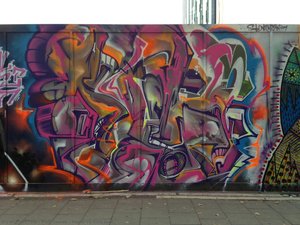
1976 - , Australia


 效果预览
效果预览
 分享
分享 分享
分享
 详情
详情 指南
指南

 下载
下载
 相似作品
相似作品 X射线
X射线 幻灯片播放
幻灯片播放 统计数据
统计数据
 展开详情
展开详情






































 玻璃选项仅适用于110厘米以下的尺寸。


