
博物馆级艺术微喷或帆布版画,制作高效,并提供多种饰面选择。 ( 订购纯手工绘制画作 切换至数字图像销售渠道)





























您可以从与原作比例一致的预设尺寸中进行选择。

请输入您所需的宽度和高度,以适配您的画框或墙面。由于印刷品只能进行裁剪,无法超出原图尺寸,因此若比例不一致,画面的一部分将会被裁切。在正式印刷之前,我们会为您发送一份数字效果图供您确认。本页面显示的图片并非最终裁剪后的效果——只有效果图才能展示真实的裁剪情况。
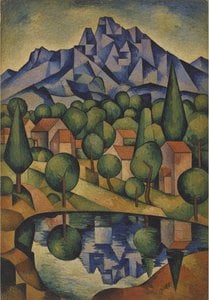
The Four Seasons, Spring
复刻品尺寸
Paul Cézanne's “The Four Seasons, Spring,” painted in 1861, isn’t merely a depiction of a pastoral scene; it’s an immersion into the artist’s intensely personal vision of nature and the human experience. This work, part of a quartet exploring the seasons, stands apart from its companions with a captivating blend of Romanticism and nascent Modernism—a foreshadowing of the radical shifts to come in 20th-century art. The painting immediately draws the eye with its vibrant palette – a symphony of greens, reds, and blues that evoke the burgeoning life of springtime. Yet, it’s not simply a celebration of color; Cézanne employs it strategically, layering hues to create an illusion of depth and movement, hinting at the dynamism beneath the tranquil surface.
At the heart of the composition stands a woman, draped in a flowing crimson gown, her arms raised as if caught in a moment of ecstatic dance. Her posture suggests both vulnerability and strength, inviting the viewer to contemplate her role within this carefully constructed world. The placement of two vases, stacked one atop the other, adds an intriguing element of formal structure to the scene – a deliberate counterpoint to the organic forms surrounding them. These aren’t merely decorative objects; they act as anchors, grounding the composition and subtly directing the eye through the painting.
Cézanne’s work is deeply rooted in Romanticism, a movement that prioritized emotion and imagination over strict realism. The dreamy quality of “The Four Seasons, Spring,” with its soft lighting and evocative atmosphere, reflects this influence. However, unlike the often-melancholic themes of Romanticism, Cézanne imbues his painting with an underlying sense of vitality and optimism. He’s not simply depicting a scene; he's capturing a feeling—the joyous exuberance of renewal.
It’s crucial to note that Cézanne was simultaneously engaged with the burgeoning Impressionist movement, yet he deliberately pushed beyond its purely optical concerns. While Impressionists sought to capture fleeting moments of light and color, Cézanne focused on the underlying structure of objects—the geometric forms that define their essence. This is evident in his use of broken brushstrokes and flattened planes of color, creating a sense of solidity and permanence within the painting. He was bridging the gap between the ephemeral and the enduring, a hallmark of his unique style.
The woman’s gesture—arms raised in an apparent dance or ritual—is laden with symbolic meaning. Some art historians interpret this as a representation of fertility and rebirth, aligning with the theme of spring. The red dress itself is often associated with passion, vitality, and the life force – further reinforcing this interpretation. The stacked vases could symbolize abundance and prosperity, mirroring the flourishing growth of nature during this season.
Furthermore, consider the background—the grassy expanse and distant landscape. These elements aren’t merely decorative; they contribute to the painting's overall sense of depth and perspective. Cézanne meticulously studied the effects of light and shadow, employing a technique known as “alla prima” – working directly onto the canvas without underdrawing – to achieve this remarkable realism. The composition feels both intimate and expansive, drawing the viewer into a world where art and nature converge.
Initially, Cézanne’s work was met with skepticism and criticism, dismissed by some as overly unconventional. However, his influence on subsequent generations of artists—including Picasso and Matisse—is undeniable. He paved the way for Cubism and other radical movements that challenged traditional notions of representation. “The Four Seasons, Spring” stands as a testament to Cézanne’s revolutionary vision – a painting that continues to captivate viewers with its beauty, complexity, and profound emotional resonance. Reproductions offer an accessible gateway to experiencing this pivotal work of art, allowing us to appreciate the genius of Paul Cézanne in our own homes.
"The Four Seasons, Spring"创作于1861年,属于塞尚艺术生涯中的Mature Period时期。
您可以在 塞尚 的《The Four Seasons, Spring》 的 高分辨率数字图像 页面购买其数字图像:高分辨率数字图像下载。
凭借其Tall的形态,建议将《The Four Seasons, Spring》复制品用于装饰Living Room。

1839 - 1906 , 法国

Discover the profound emotional depth of Romanticism art. Explore the dramatic mastery of Delacroix and the sublime landscapes that defined an era. A sophisticated guide for classic art enthusiasts seeking to understand the power of movement, light, and untamed nature.

Explore the breathtaking world of the Pre-Raphaelite Brotherhood. Discover how this movement redefined Victorian art through vivid detail, mythological depth, and romanticism. An expert guide for classic art enthusiasts seeking to rediscover these timeless masterpieces.

Explore the profound tension between Neoclassicism's rational order and Romanticism's emotional depth. An expert journey through the masters of art history, from David to Delacroix, perfect for collectors and enthusiasts seeking a deeper understanding of artistic evolution.
Explore the profound legacy of Paul Cézanne. Discover how his mastery of geometric forms and vibrant color bridged Impressionism and Cubism, offering timeless inspiration for fine art collectors and enthusiasts seeking to understand the foundations of modern art.

Explore the structural genius of Paul Cézanne. Discover how his mastery of geometric form and color bridged Impressionism and Cubism in this definitive guide for art enthusiasts and collectors.

 实景预览
实景预览
 分享
分享 分享
分享
 详情
详情 指南
指南

 下载作品
下载作品
 相似作品
相似作品 X射线
X射线 幻灯片播放
幻灯片播放 问答
问答
 统计数据
统计数据

 展开全文
展开全文









 玻璃选项仅适用于110厘米以下的尺寸。


