
由我们的艺术家按需定制,为您提供您所选尺寸及画框的布面手工油画。 ( 切换至版画销售渠道 切换至数字图像销售渠道)





























您可以从与原作比例一致的预设尺寸中进行选择。

您可以输入自定义尺寸,以适配特定的画框或空间。如果所选尺寸与原图比例不符,我们将通过裁剪作品或添加手绘元素来扩展画面。数字样稿将在制作开始前发送给您确认。
请注意,屏幕预览无法准确反映实际的裁剪或扩展效果,只有样稿才能真实呈现最终的构图。
虽然我们提供定制尺寸服务,但为了保留原作比例,建议您从预设列表中选择尺寸。

Self-Portrait on a Rose Background -
复刻品尺寸说明
In the quiet intensity of Paul Cézanne’s Self-Portrait on a Rose Background, we encounter more than just a mere likeness of the artist; we witness the very moment art began to look inward. Painted around 1877, this masterpiece serves as a profound psychological window into the mind of a man who was single-handedly bridging the gap between the fleeting light of Impressionism and the structured geometry of Cubism. As you gaze upon his steady, serious expression, there is an undeniable sense of a searching spirit—a man wrestling with the essence of reality itself. The portrait does not merely capture a face; it captures a pivotal era of transformation in European art history.
The subject, rendered with a striking presence, stares back at the viewer with a gaze that feels both intimate and defiant. Clad in formal attire that suggests a moment of solemnity, Cézanne uses his own image to experiment with the boundaries of representation. While the face retains a recognizable humanity, the surrounding atmosphere begins to dissolve into something much more experimental. The background, a vibrant and emotive rose hue, does not function as a simple backdrop but rather as an active participant in the emotional weight of the piece, providing a warm yet tension-filled contrast to the darker, more grounded tones of the figure.
To observe this work is to study the evolution of technique. Moving away from the soft, atmospheric edges favored by his contemporaries like Monet, Cézanne employs a much more deliberate and sculptural approach. He utilizes thick impasto brushstrokes—heavy, tactile applications of paint that give the canvas a palpable, three-dimensional texture. This method allows him to build up surfaces that feel as though they have weight and permanence, rejecting the "fleetingness" of Impressionism in favor of something more enduring.
The composition is a masterclass in controlled tension. Cézanne deliberately flattens the space, disrupting traditional illusionistic depth to create a more modern, two-dimensional impact. This flattening of the plane serves as a precursor to the fractured realities seen later in the works of Picasso and Braque. For the discerning collector or interior designer, this technique offers a sophisticated visual rhythm; the interplay between the heavy texture of the paint and the bold, saturated colors creates a dynamic energy that commands attention in any curated space.
Beyond its technical brilliance, Self-Portrait on a Rose Background carries an emotional resonance that transcends time. It embodies the struggle of the individual against convention and the courage required to forge a new path. This sense of quiet strength and intellectual depth makes it an extraordinary choice for those looking to infuse their environment with character and historical significance. Whether placed in a contemporary gallery setting or as a focal point in a classic study, the painting offers a continuous dialogue between the past and the present.
For lovers of fine art, owning a high-quality reproduction of this work is an opportunity to live alongside a piece of the foundation of modernism. It is an investment in atmosphere—bringing into one's home the same revolutionary spirit that once shook the foundations of the Paris Salon. The painting remains a testament to the idea that art should not just show us what we see, but reveal how we feel about the world around us.

1839 - 1906 , 法国

Embark on a visual journey through the top 25 masterpieces of Paul Klee. Explore his iconic use of color, rhythm, and abstraction through museum-quality stories and art reproductions. Find perfect inspiration for your decor. Discover all masterpieces on WahooArt.com.

Embark on a visual journey through Paul Cézanne’s 25 most iconic Post-Impressionist masterpieces. Uncover the stories, textures, and revolutionary techniques that shaped modern art. Find museum-quality reproductions for inspired decor at WahooArt.com. Discover all masterpieces on WahooArt.com.
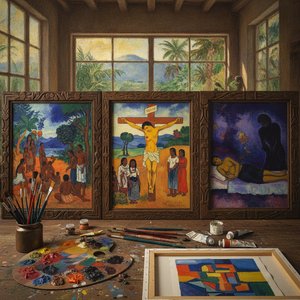
Immerse yourself in the vibrant world of Paul Gauguin. Explore 25 iconic Post-Impressionist masterpieces, from Tahitian landscapes to bold symbolic works. Find inspiration for museum-quality art reproductions and decor. Discover all masterpieces on WahooArt.com.


 实景预览
实景预览
 发送
发送 分享
分享
 详情
详情 指南
指南

 下载图片
下载图片
 相似作品
相似作品 X射线
X射线 幻灯片播放
幻灯片播放 统计数据
统计数据

 阅读全文
阅读全文









 玻璃选项仅适用于110厘米以下的尺寸。


