
由我们的艺术家按需定制,为您提供您所选尺寸及画框的布面手工油画。 ( 切换至版画销售渠道 切换至数字图像销售渠道)





























从与原作比例一致的预设尺寸中进行选择。

您可以输入自定义尺寸,以适配特定的画框或空间。如果所选尺寸与原图比例不符,我们将通过裁剪作品或添加手绘元素来扩展画面。数字样稿将在制作开始前发送给您确认。
请注意,屏幕预览无法准确反映实际的裁剪或扩展效果,只有样稿才能真实呈现最终的构图。
虽然我们提供定制尺寸服务,但为了保留原作比例,建议您从预设列表中选择尺寸。

Medea (after Delacroix)
复制品尺寸
Paul Cézanne’s “Medea,” a poignant study after Eugène Delacroix’s iconic 1839 painting, isn’t merely a reproduction; it’s an invitation to inhabit the heart of a turbulent drama. Cézanne, born in 1839 and tragically cut short at the age of sixty-seven, possessed a singular ability to distill emotion into form – a skill profoundly evident in this work. Unlike a straightforward copy, Cézanne subtly transforms Delacroix’s fiery intensity with his own distinctive approach, layering observation with memory and imbuing the scene with an almost melancholic stillness. The painting captures not just the narrative of Medea's vengeful act, but also the profound psychological weight carried by her – a woman consumed by grief, betrayal, and the agonizing consequences of her choices.
The composition, mirroring Delacroix’s original, centers on a woman holding two infants – her children. Her face, bathed in soft light, reveals a complex tapestry of emotions: sorrow, determination, and perhaps even a flicker of defiance. Cézanne's brushwork is deliberately fragmented, eschewing the smooth surfaces favored by earlier Impressionists. Instead, he employs short, broken strokes that build up to suggest form and texture, creating an almost sculptural quality to the figures. The horse, positioned on the right side of the canvas, isn’t simply a decorative element; it acts as a visual anchor, grounding the scene in a world of primal instinct and untamed power – a counterpoint to the woman's quiet suffering.
Cézanne’s work stands as a crucial bridge between the turbulent passions of Romanticism and the nascent forms of modern art. Delacroix, a leading figure in the Romantic movement, sought to capture intense emotional experiences through dramatic color and dynamic composition. Cézanne, however, moved beyond mere representation, exploring the underlying structure of objects and employing geometric simplification – techniques that would later profoundly influence Cubism. He was deeply influenced by the classical world, particularly the work of Michelangelo, which he studied obsessively during his time in Italy. This interest in form and structure is evident in the careful arrangement of the figures and the deliberate use of perspective, creating a sense of depth and solidity within the painting.
The choice to depict Medea after Delacroix reveals Cézanne’s own artistic lineage. He admired Delacroix's ability to convey intense emotion through color and movement, but he sought to refine and deepen that emotional impact through a more rigorous approach to form and structure. Cézanne wasn’t simply copying Delacroix; he was engaging in a dialogue with his predecessor, building upon his foundation while forging his own unique artistic vision.
Beyond the narrative of Medea's revenge, the painting is rich in symbolic meaning. The infants represent not only her children but also the potential for future generations – a legacy tainted by violence and loss. The scarf around the woman’s neck could be interpreted as a symbol of mourning or perhaps even a reminder of her past life before tragedy struck. Her serene expression, despite the evident sorrow in her eyes, speaks to an inner strength—a resilience born from profound suffering. It's a testament to the enduring power of motherhood, even in the face of unimaginable pain.
Cézanne’s masterful use of light and shadow further enhances the painting’s emotional impact. The soft, diffused light creates a sense of intimacy and vulnerability, drawing the viewer into the woman's world. The subtle gradations of color suggest a complex range of emotions—hope mingled with despair, love intertwined with regret.
WahooArt offers meticulously hand-painted reproductions of Cézanne’s “Medea,” capturing the essence of this iconic work in stunning detail. Each reproduction is created by skilled artists using archival-quality materials, ensuring that it will retain its beauty and vibrancy for generations to come. Choose from a range of framing options to perfectly complement your décor – from classic antique gold frames to contemporary minimalist designs. Whether you’re an art collector, interior designer, or simply someone seeking a piece of timeless beauty, our “Medea” reproduction is a captivating addition to any space. Explore the options and order yours today!

1839 - 1906 , 法国

探索保罗·塞尚25幅经典杰作!深入了解后印象派大师的艺术生涯、独特技法与色彩运用。WahooArt提供高清油画复制品,为您的家居带来博物馆级艺术体验。立即发现更多名画,点亮生活空间!
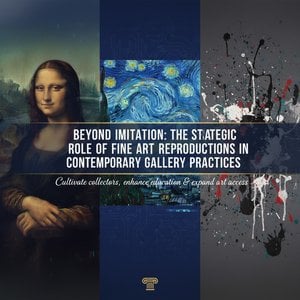
Explore the strategic role of fine art reproductions in today's galleries. Discover how they cultivate collectors, enhance education & expand access to art. Expert insights for discerning buyers and professionals.

探索巴黎卢浮宫25幅传世名画!达芬奇、米开朗基罗等大师杰作背后的故事,文艺复兴与巴洛克艺术精髓尽收眼底。寻找家居装饰灵感,购买博物馆级艺术复制品,WahooArt.com带您领略经典绘画之美。

Explore the cultural significance of fine art reproduction & its appeal to discerning collectors. Discover how reproductions enhance aesthetics, build collections, and signal status. Expert insights & museum-quality artistry.

WahooArt提供高品质手工油画复制、定制人像绘画及艺术品咨询服务。艺术家技艺精湛,材质考究,流程透明,100%满意保证!让经典艺术触手可及,为您的家增添独特魅力。


 效果预览
效果预览
 分享
分享 分享
分享
 详情
详情

 下载
下载
 相似作品
相似作品 X射线
X射线 幻灯片播放
幻灯片播放 统计数据
统计数据

 展开详情
展开详情









 玻璃选项仅适用于110厘米以下的尺寸。


