
 Oil On CanvasWallArtPost-Impressionism
 189019th Century
 81.0 x 65.0 cm
 大原美術館
大原美術館由我们的艺术家按需定制,为您提供您所选尺寸及画框的布面手工油画。 ( 切换至版画销售渠道 切换至数字图像销售渠道)





























您可以从与原作比例一致的预设尺寸中进行选择。

请输入您需要的宽度和高度,以适配您的画框或墙面。由于作品为手工绘制,若您选择不同的尺寸比例,艺术家可能会在画面边缘多画一些或稍作裁剪 —— 由您决定。在开始绘画之前,我们会为您发送一份数字效果图供您确认。本页面上展示的图片并非最终实物 —— 只有效果图才能反映真实结果。
Landscape
复刻品尺寸说明
"Landscape" 与 塞尚 的其他作品一样,都体现了 Post-Impressionism 风格以及其一贯的主题:impressionism's structure, provencal landscape views, geometric forms emerge, rural tranquility sought, bridge to cubism's shift, exploring spatial depth, artist's core vision", reflecting regional life。
在“Landscape”中,Nostalgic 的氛围伴随着 Tranquil 的情感。
您可以通过亚麻画布手工绘制油画复制品来订购《Landscape》的手绘复制品。您可以前往其手工油画复刻页面进行下单,并根据需求选择不同的尺寸。

1839 - 1906 , 法国

Explore the structural genius of Paul Cézanne. Discover how his mastery of geometric form and color bridged Impressionism and Cubism in this definitive guide for art enthusiasts and collectors.

Explore the transformative era of Post-Impressionism. Discover how masters like Cézanne and Matisse revolutionized color and form, moving beyond Impressionism to shape modern art history through structural innovation and expressive emotion.

探索印象派与后印象派的艺术革命。本文深度解析莫内、梵高、塞尚等大师如何通过光影与色彩重塑现代美学。作为全球领先的艺术品交易平台,WahooArt为您呈现博物馆级的纯手工油画复刻,以精湛技艺捕捉名画神韵,为您的私人收藏与高端空间装饰注入永恒的艺术灵魂。
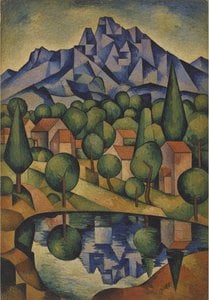
Explore the profound legacy of Paul Cézanne. Discover how his mastery of geometric forms and vibrant color bridged Impressionism and Cubism, offering timeless inspiration for fine art collectors and enthusiasts seeking to understand the foundations of modern art.
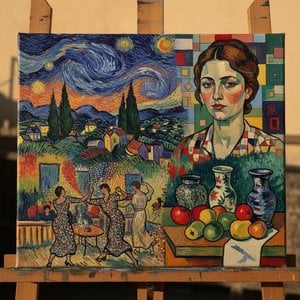
Unveil the profound revolution of Post-Impressionism. Explore how masters like Van Gogh and Cézanne utilized bold colors and emotional depth to transcend mere representation, laying the foundation for modern art. A sophisticated journey through history's most emotive brushstrokes.


 实景预览
实景预览
 发送
发送 分享
分享
 详情
详情 指南
指南

 下载图片
下载图片
 相似作品
相似作品 X射线
X射线 幻灯片播放
幻灯片播放 统计数据
统计数据 阅读全文
阅读全文









 玻璃选项仅适用于110厘米以下的尺寸。


