
 Oil On CanvasWallArtPost-Impressionism
 188519th Century
 65.0 x 81.0 cm
由我们的艺术家按需定制,为您提供您所选尺寸及画框的布面手工油画。 ( 切换至版画销售渠道 切换至数字图像销售渠道)





























从与原作比例一致的预设尺寸中进行选择。

您可以输入自定义尺寸,以适配特定的画框或空间。如果所选尺寸与原图比例不符,我们将通过裁剪作品或添加手绘元素来扩展画面。数字样稿将在制作开始前发送给您确认。
请注意,屏幕预览无法准确反映实际的裁剪或扩展效果,只有样稿才能真实呈现最终的构图。
虽然我们提供定制尺寸服务,但为了保留原作比例,建议您从预设列表中选择尺寸。

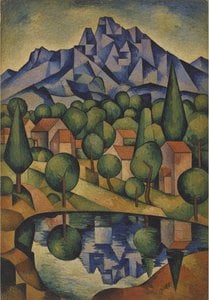
L'Estaque with Red Roofs
复制品尺寸
In the golden light of 1885, Paul Cézanne captured a moment of profound serenity in his masterpiece, L'Estaque with Red Roofs. This oil on canvas is far more than a mere depiction of a coastal village; it is a rhythmic exploration of color and form that serves as a cornerstone of the Post-Impressionist movement. The painting invites the viewer to wander through the sun-drenched landscape of L'Estaque, a fishing village near Marseille that served as a sanctuary for the artist. Through his brush, the terracotta roofs emerge with a vibrant, earthy warmth, standing in striking defiance against the deep, tranquil blues of the Mediterranean Sea and the expansive sky. There is a palpable sense of peace within this composition, where the lush greenery of Aleppo pines frames the scene, grounding the viewer in the fertile, sun-soaked reality of southern France.
The brilliance of this work lies in Cézanne’s revolutionary technique, which sought to find the permanent structure beneath the fleeting impressions of light. Unlike the Impressionists who focused on the ephemeral, Cézanne utilized a deliberate, almost architectural application of paint. He organized the landscape into distinct geometric planes—land, sea, and sky—creating a sense of monumental stability. The horizon line, remarkably straight and resolute, provides a structural anchor that allows the eye to dance between the textured ochre walls of the buildings and the shimmering azure of the water. This careful balance of weight and color creates a visual harmony that is both intellectually stimulating and deeply soothing, making it an ideal focal point for any sophisticated interior.
To behold L'Estaque with Red Roofs is to witness the birth of modern art. During this period, Cézanne was actively deconstructing traditional perspective, paving the way for the fragmented brilliance of Cubism. His ability to transform a simple view of a Provencal village into a complex study of shape and light remains unparalleled. The painting carries with it the emotional weight of his personal connection to the region—a place he described as being "like a playing card," where colors were layered with intentionality and passion. This historical depth adds an invaluable layer of prestige for collectors and art enthusiasts alike.
For the discerning interior designer or art lover, a high-quality reproduction of this work offers more than just decoration; it brings a sense of cultural heritage and Mediterranean warmth into a living space. The painting’s palette—a sophisticated interplay of warm reds, verdant greens, and cooling blues—complements a wide variety of decor styles, from contemporary minimalism to classic European elegance. It acts as a window into a timeless era, evoking the sun-drenched tranquility of the French coast and providing an enduring sense of inspiration and prestige to any room it inhabits.

1839 - 1906 , 法国

Unveil the profound revolution of Post-Impressionism. Explore how masters like Van Gogh and Cézanne utilized bold colors and emotional depth to transcend mere representation, laying the foundation for modern art. A sophisticated journey through history's most emotive brushstrokes.

Master the nuances of Impressionism vs. Post-Impressionism with our expert guide. Explore the revolutionary shift from Monet’s fleeting light to Van Gogh’s emotional depth. Discover how these iconic movements continue to inspire fine art collectors and modern interiors today.
Explore the profound legacy of Paul Cézanne. Discover how his mastery of geometric forms and vibrant color bridged Impressionism and Cubism, offering timeless inspiration for fine art collectors and enthusiasts seeking to understand the foundations of modern art.

Explore the structural genius of Paul Cézanne. Discover how his mastery of geometric form and color bridged Impressionism and Cubism in this definitive guide for art enthusiasts and collectors.

Explore the transformative era of Post-Impressionism. Discover how masters like Cézanne and Matisse revolutionized color and form, moving beyond Impressionism to shape modern art history through structural innovation and expressive emotion.


 效果预览
效果预览
 分享
分享 分享
分享
 详情
详情 指南
指南

 下载
下载
 相似作品
相似作品 X射线
X射线 幻灯片播放
幻灯片播放 统计数据
统计数据 展开详情
展开详情









 玻璃选项仅适用于110厘米以下的尺寸。


