Oil On CanvasWallArtRomanticism
 186719th Century
 57.0 x 36.0 cm
购买高分辨率增强版数字图像,其品质远超在线预览。
每一份文件都由我们的内部专家使用先进工具与专业的后期润色技术精心打造。我们确保每一张图像都具备卓越的清晰度、精准的色彩还原度以及细腻的细节表现。
最终文件将在 72 小时内通过电子邮件交付,并针对专业、编辑及印刷用途进行了优化。其品质与顶级设计工作室、出版社和画廊所信赖的标准完全一致。
选择 WahooArt.com,您获得的不仅仅是一张图像——您收到的是经过专业级增强、精雕细琢的数字艺术作品,并享有满意保证。以下是您的订单中自动包含的所有内容:

您的高分辨率数字图像文件将在下单后 72 小时内通过电子邮件发送给您 —— 即可立即使用。

您的艺术品经过专业优化,结合先进的 AI 技术与人工修饰,确保呈现极致的细节、清晰度与色彩准确度。

不小心删除了文件或找不到了?没关系——我们将随时为您免费重发。

即刻拥有您的艺术作品,无需支付任何关税、税费或运费——数字下载始终免税。

我们通过专业工具与色彩管理技术,确保您的数字图像尽可能真实地还原原作色彩。

如果您对所购买的数字图像不满意,我们将在100天内为您进行修改或退还100%的款项——无需任何解释。

如果不满意?在收到数字文件后的100天内,我们为您提供全额退款——无需任何理由。

购买 3 张图片可享 10% 折扣 - 购买 5 张可享 15% 折扣 - 购买 10+ 张可享 20% 折扣。非常适合创意项目、画廊和机构使用。
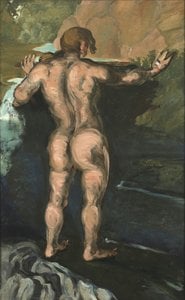
Paul Cézanne’s "Amour in Plaster," painted in 1867, offers a fascinating window into the artist's early development and his exploration of Romantic themes. This oil-on-canvas work (57 x 36 cm) depicts a plaster statue of a nude woman with her back to the viewer, leaning against what appears to be a tree or wall within a garden setting. The painting is characterized by its delicate handling of light and shadow, creating an atmosphere of quiet contemplation and subtle sensuality.
The central focus of "Amour in Plaster" is the statue itself, rendered with remarkable detail despite its seemingly fragile material. Cézanne’s attention to the woman's hair, which appears windblown, adds a sense of movement and life to the otherwise static form. The surrounding environment—the leaves visible on the tree or wall—introduces an element of natural beauty that contrasts with the artificiality of the plaster statue. The choice of a plaster figure is significant; it suggests a fleeting beauty, a temporary representation of ideal feminine form, hinting at themes of fragility and impermanence often explored in Romantic art.
"Amour in Plaster" exemplifies Cézanne's transitional style, blending elements of Romanticism with emerging realist tendencies. While the subject matter—a nude female figure in a natural setting—is rooted in Romantic tradition, Cézanne’s approach to depicting form and light demonstrates a move towards greater objectivity. Unlike the dramatic narratives often found in Romantic paintings, "Amour in Plaster" presents a more introspective scene, inviting viewers to contemplate the beauty of the statue and its relationship to the surrounding environment. Early influences on Cézanne included artists like Gustave Courbet, whose realist approach emphasized depicting subjects as they appeared in everyday life, and the Barbizon school painters who focused on capturing the effects of light and atmosphere in landscapes.
Created during a period when Cézanne was still finding his artistic voice, "Amour in Plaster" represents an important step in his development towards the groundbreaking innovations that would later define his mature style. This work predates his full embrace of Impressionism and his eventual pioneering role in Cubism. It’s considered part of his “dark period,” a time when he experimented with darker palettes and more introspective themes. Understanding this painting within Cézanne's broader artistic trajectory reveals its significance as a bridge between the Romantic past and the modernist future.
"Amour in Plaster" evokes a sense of quiet melancholy and understated beauty. The statue’s turned back invites viewers to project their own emotions and interpretations onto the scene, creating a deeply personal experience. The painting's subtle use of light and shadow enhances its emotional depth, drawing the viewer into a world of contemplation and introspection. This work, though less celebrated than some of Cézanne’s later masterpieces, remains a testament to his early talent and foreshadows the revolutionary artistic vision that would profoundly influence generations of artists to come.

1839 - 1906 , 法国


 效果预览
效果预览
 购买印刷品
购买印刷品 分享
分享 分享
分享
 详情
详情

 下载
下载
 相似作品
相似作品 X射线
X射线 幻灯片播放
幻灯片播放 展开详情
展开详情