
 Oil On CanvasWallArtBaroque
 219.0 x 170.0 cm
 弗里克收藏馆
购买高分辨率增强版数字图像,其品质远超在线预览。
每一份文件都由我们的内部专家使用先进工具与专业的后期润色技术精心打造。我们确保每一张图像都具备卓越的清晰度、精准的色彩还原度以及细腻的细节表现。
最终文件将在 72 小时内通过电子邮件交付,并针对专业、编辑及印刷用途进行了优化。其品质与顶级设计工作室、出版社和画廊所信赖的标准完全一致。
选择 WahooArt.com,您获得的不仅仅是一张图像——您收到的是经过专业级增强、精雕细琢的数字艺术作品,并享有满意保证。以下是您的订单中自动包含的所有内容:

您的高分辨率数字图像文件将在下单后 72 小时内通过电子邮件发送给您 —— 即可立即使用。

您的艺术品经过专业优化,结合先进的 AI 技术与人工修饰,确保呈现极致的细节、清晰度与色彩准确度。

不小心删除了文件或找不到了?没关系——我们将随时为您免费重发。

即刻拥有您的艺术作品,无需支付任何关税、税费或运费——数字下载始终免税。

我们通过专业工具与色彩管理技术,确保您的数字图像尽可能真实地还原原作色彩。

如果您对所购数字图像不满意,我们将在100天内为您进行修改或提供100%的全额退款——无需任何理由。

不满意?在收到数字文件后的100天内,您可以申请全额退款——无需任何理由。

购买 3 张图片可享 10% 折扣 - 购买 5 张可享 15% 折扣 - 购买 10+ 张可享 20% 折扣。非常适合创意项目、画廊和机构使用。
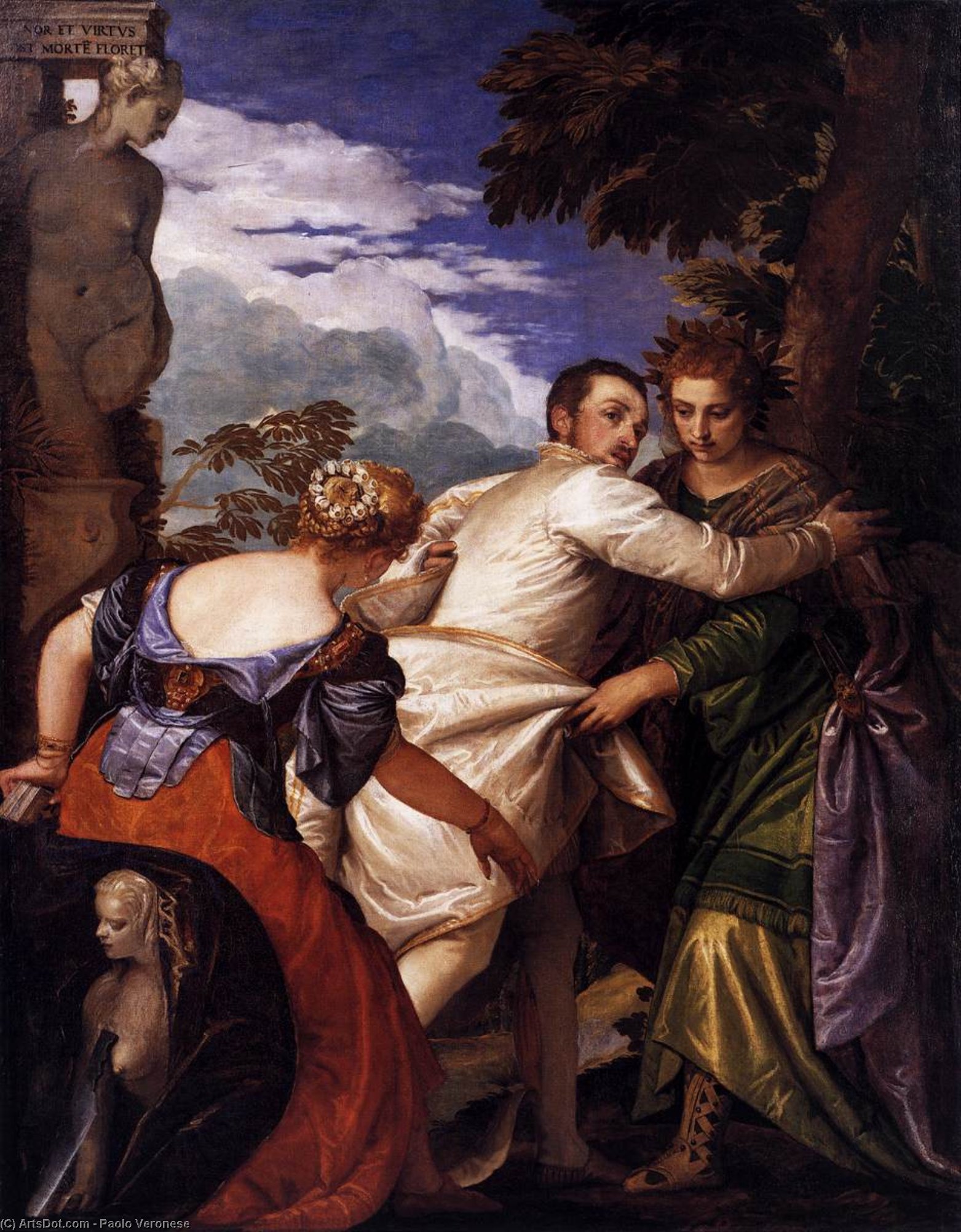
Paolo Veronese’s “Honor et Virtus post mortem floret,” painted in 1567, is more than just a visually stunning depiction of an embrace; it's a profound allegory exploring the eternal struggle between virtue and vice. Originating from the vibrant heart of Venice during the High Renaissance, this oil on canvas masterpiece transcends its historical context to resonate with viewers today through its timeless themes of moral choice and the pursuit of honor. Veronese, a master of color, composition, and opulent spectacle, elevates the scene beyond a simple portrait, transforming it into a dynamic visual narrative that speaks volumes about human nature.
The painting immediately captivates with its scale – measuring 219 x 170 cm – and its lavish detail. Veronese, known for his dramatic use of light and shadow, employs a masterful chiaroscuro technique to sculpt the figures and create a sense of depth within the richly textured garden setting. The background is a meticulously rendered Venetian landscape, complete with architectural elements and lush foliage, providing a vibrant counterpoint to the central drama unfolding before us. Notice the subtle variations in color – the deep greens of the plants, the warm hues of the stone, and the rich reds and golds adorning the figures’ clothing – all contributing to the painting's overall sense of opulence and grandeur.
At the heart of “Honor et Virtus post mortem floret” lies a complex allegory rooted in classical philosophy. The central figure, identified as Hercules by some scholars, is presented in a moment of profound indecision. He stands poised between two women – one embodying Virtue and the other representing Vice. This isn’t a simple depiction of good versus evil; rather, it's a nuanced exploration of temptation and moral fortitude. The inscription at the top of the painting, “Honor et Virtus post mortem floret” (Honor and Virtue flourish after death), serves as a potent reminder of the lasting consequences of our choices.
Virtue, crowned with a laurel wreath – a symbol of victory and achievement – extends her hand towards Hercules, offering him guidance and righteousness. Conversely, Vice, cloaked in shadows and adorned with symbols of pleasure and indulgence (a dagger and a sphinx statue), attempts to lure him into a world of fleeting gratification. The visual tension between these two figures is palpable, creating a dramatic interplay that draws the viewer’s eye and invites contemplation about the choices we face in our own lives.
To fully appreciate “Honor et Virtus post mortem floret,” it’s crucial to understand its historical context. Venice, during the 16th century, was a thriving center of art and commerce, boasting a unique blend of classical influences and Renaissance innovation. Veronese, born in Verona but firmly established in Venice, expertly absorbed these diverse artistic traditions, creating a style that is both deeply rooted in Venetian heritage and distinctly his own. His works are characterized by their scale, lavish detail, and masterful use of color – qualities that earned him the admiration of patrons like Emperor Rudolph II and Queen Christina of Sweden.
This particular painting reflects Veronese’s shift towards allegorical subjects, a departure from his earlier historical and biblical scenes. It showcases his growing interest in philosophical themes and his willingness to experiment with new compositional techniques. The influence of Titian, particularly his mastery of color and atmospheric perspective, is evident throughout the work, yet Veronese maintains a unique artistic voice that distinguishes him as one of Venice’s greatest masters.
“Honor et Virtus post mortem floret” continues to resonate with viewers centuries after its creation. Its depiction of moral struggle and the allure of temptation speaks to universal human experiences, prompting us to reflect on our own values and choices. The painting’s dramatic composition, vibrant colors, and intricate details create a powerful emotional impact, drawing us into the scene and inviting us to contemplate the eternal conflict between virtue and vice. It's a testament to Veronese’s artistic genius – a masterpiece that transcends its historical context to offer timeless insights into the complexities of human nature.


1528 - 1588

 效果预览
效果预览
 切换至版画销售渠道
 分享
分享 分享
分享
 详情
详情

 下载
下载
 相似作品
相似作品 X射线
X射线 幻灯片播放
幻灯片播放 统计数据
统计数据 展开详情
展开详情


