




























免费艺术咨询

x
定制手绘复刻品 定制手绘复刻品购买高清图片 购买高清图片 分享分享
详情详情 加入收藏 加入收藏 下载下载 相似作品相似作品 X射线检测X射线检测 幻灯片播放幻灯片播放

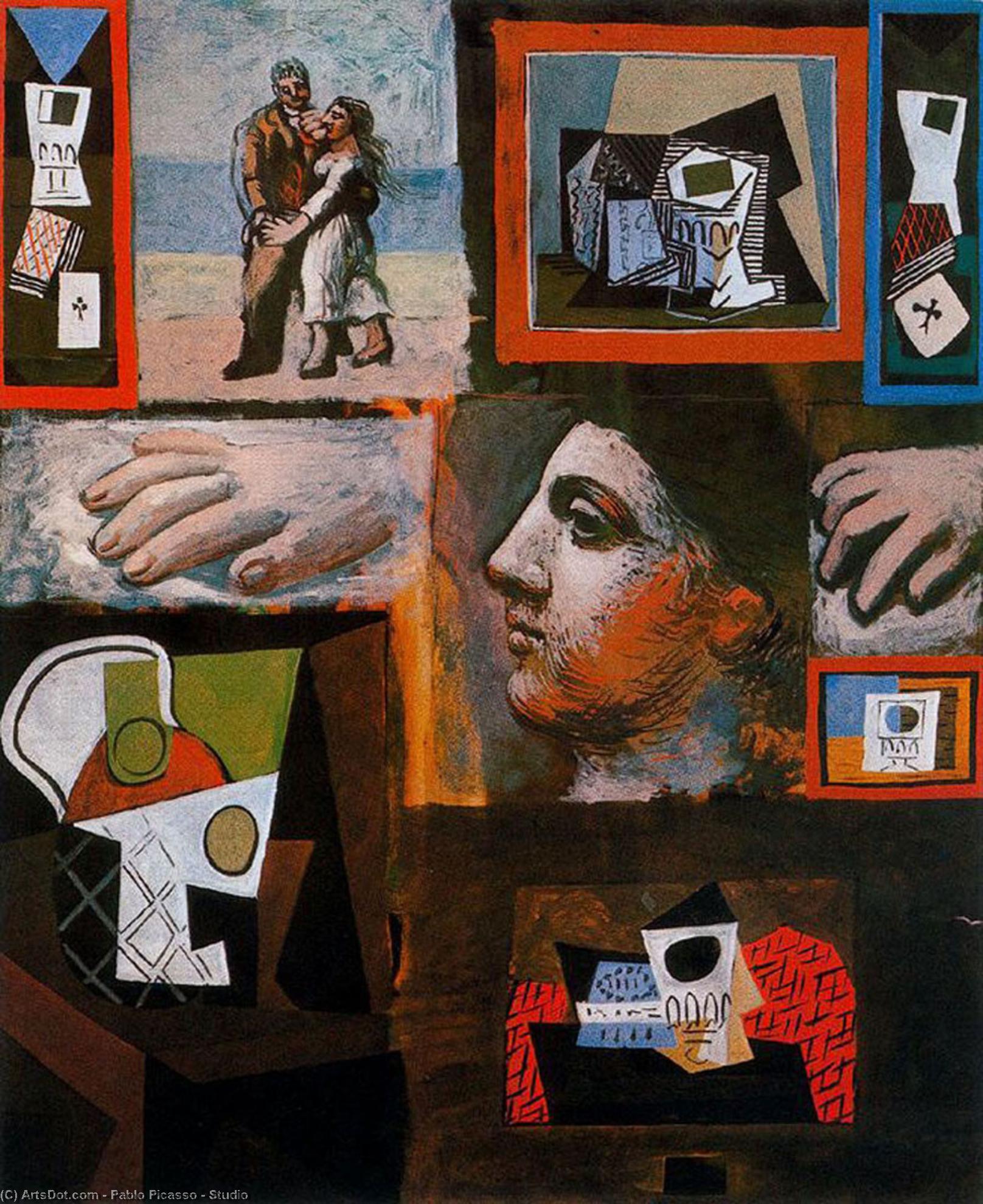
Studio

毕加索(1881-1973)是西班牙革命性的画家和雕塑家,立体主义的联合创始人,风格多变的大师。以《格尔尼卡》和《亚维农少女》等标志性作品闻名,他的艺术遗产至今仍在激励着人们。

艺术微喷/版画

博物馆级艺术微喷或帆布版画,制作高效,并提供多种饰面选择。

P118B $10
P118H $10
P118W $10
P438Z $10
P508JH $12
P508YH $12
P805H $10
P805Z $10
P919BZ $10
P919G $10
P919XJ $10
P959ZH $10
P968JZ $12
W106C $8
W218G $10
W218JH $8
W218Y $10
W307PJ $10
W316G $10
W316PJ $8
W316Y $10
W398PJ $8
W4111J $10
W500HY $15
W500JH $15
W692G $12
W849H $8
W940BG $15
W953PJ $8

Standard
custom
CM
INCH

从与原作比例一致的预设尺寸中进行选择。

宽度
高度

您可以输入自定义尺寸,以适配特定的画框或空间。如果您选择的尺寸与原图比例不符,我们将对作品进行裁剪,或通过镜像填充/纯色填充边缘的方式来扩展图像。在开始制作之前,我们会向您发送一份数字效果图供您确认。
请注意,屏幕上的预览并不能反映实际的裁剪或扩展效果。只有效果图才能准确展示最终的构图。
虽然我们提供定制尺寸,但为了保持原图比例,我们建议您从预设列表中选择尺寸。

全球配送(),仅需 2 周即可送达,无需等待标准流程的 4/5 周。(3 July)

why_choose_icon
全球免费特快专递服务
why_choose_icon
优质亚麻画布
why_choose_icon
全程运输保险
why_choose_icon
关税退款保证
why_choose_icon
色彩还原度保证
why_choose_icon
60天退货政策(仅限制造缺陷)
why_choose_icon
100%退款保证
why_choose_icon
多件购买优惠

总计金额

-

reproduction

Studio

艺术微喷/版画

复制品尺寸

-

最终总价

-

作品概览

  • Influences: José Ruiz y Blasco
  • Year: 1920
  • Medium: Oil painting
  • Artistic style: Neoclassicism
  • Title: Studio
  • Notable elements or techniques: Collage, Diverse Imagery
  • Location: ArtsDot.com

艺术知识测试

每道题只有一个正确答案。

题目 1:
What artistic movement is Pablo Picasso’s ‘Studio’ primarily associated with?
题目 2:
The collage technique employed in 'Studio' reflects which characteristic of Surrealist art?
题目 3:
Which artistic style influenced Picasso’s approach to creating ‘Studio’, paving the way for its experimental nature?
题目 4:
What is a key element of 'Studio' that contributes to its dreamlike quality?
题目 5:
Why was Picasso’s ‘Studio’ considered significant in the development of Surrealism?

藏品详情

Studio, 1920 - Pablo Picasso – A Surrealist Dialogue

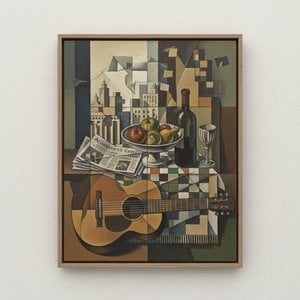
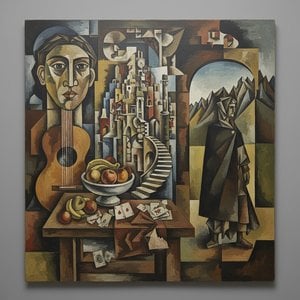
Pablo Picasso’s ‘Studio’, created in 1920, stands as a pivotal moment in his artistic evolution—a bold foray into Surrealism that simultaneously echoes the foundational principles of Cubism and demonstrates Picasso's unparalleled ability to synthesize disparate influences. More than just a depiction of an artist’s workspace, it’s a carefully constructed visual poem exploring themes of creativity, memory, and the subconscious mind. The image provided showcases a collage comprised of numerous artworks by Picasso himself—a deliberate strategy designed to amplify the piece’s conceptual depth and artistic complexity.
  • Style: Surrealism – While Picasso initially honed his skills in Cubism alongside Georges Braque, ‘Studio’ marks a decisive shift toward Surrealist aesthetics. The movement championed irrationality, dreamlike imagery, and unexpected juxtapositions—elements that Picasso expertly incorporates into this composition.
  • Technique: Collage – Picasso’s masterful use of collage is central to the artwork's impact. He meticulously assembled fragments of various paintings, drawings, and sculptures—some completed earlier in his career, others conceived during this Surrealist period—creating a layered visual experience that defies conventional representation.
  • Historical Context: The early 1920s witnessed a burgeoning interest in psychoanalysis spearheaded by Sigmund Freud, profoundly influencing artistic thought. Surrealism sought to liberate the imagination from rational constraints, mirroring Freud’s exploration of unconscious desires and fantasies. Picasso's embrace of this intellectual current is palpable within ‘Studio’.
  • Symbolism: The arrangement of artworks on a wall—a deliberate gesture—suggests an ongoing process of artistic creation and contemplation. Each piece contributes to the overall narrative, hinting at Picasso’s preoccupation with capturing fleeting moments of inspiration and distilling complex ideas into visual form.

Cubist Roots – The Foundation for Surrealist Experimentation

Before venturing into the realm of Surrealism, Picasso had established Cubism alongside Braque as a revolutionary artistic paradigm. Cubism challenged traditional perspective by fracturing forms and presenting multiple viewpoints simultaneously—a technique that Picasso skillfully adapted to his Surrealist explorations. This influence is evident in the fragmented shapes and angular lines subtly interwoven throughout ‘Studio’, demonstrating Picasso’s unwavering commitment to pushing boundaries of visual perception. The careful consideration given to spatial relationships underscores the enduring legacy of Cubism within Picasso's oeuvre.

A Window into Picasso’s Mind – Exploring Memory and Imagination

‘Studio’ isn’t merely a representation of an artist’s studio; it’s a profound meditation on memory, imagination, and the creative process itself. The collage format—combining disparate images—reflects Picasso's desire to capture the elusive nature of inspiration and to synthesize seemingly unrelated ideas into a cohesive visual statement. By layering artworks from different periods and styles, Picasso invites viewers to engage in an active dialogue with his artistic vision—a testament to his enduring fascination with exploring the depths of human consciousness.

Beyond Reproduction – Capturing the Essence of Surrealist Genius

A high-quality reproduction of ‘Studio’ allows admirers to appreciate not only its visual splendor but also the intellectual rigor underpinning Picasso's artistic endeavor. It serves as a tangible reminder of his pioneering role in shaping modern art—a celebration of innovation, experimentation, and the transformative power of imagination. Consider commissioning a hand-painted replica from WahooArt.com to bring this iconic artwork into your home or gallery space – preserving its spirit for generations to come.

艺术家简介

毕加索:颠覆与重塑的艺术之旅

巴布洛·路易斯·毕加索,一个几乎等同于现代艺术革命的名字。1881年10月25日出生于西班牙马拉加,他的命运似乎从一开始就注定了要与创造力紧密相连。传说他第一次说话时竟是“piz, piz”,试图说出“铅笔”二字,这或许预示了他未来艺术生涯的轨迹。他的父亲何塞·鲁易斯·布拉斯科是一位画家兼美术教师,为年轻的毕加索提供了坚实的基础训练。然而,学生很快便超越了老师,展现出令人惊叹的天赋,暗示着他体内蕴藏着的巨大潜力。家庭随后迁往阿科鲁尼亚和巴塞罗那,期间经历了姐姐不幸离世等个人悲剧,这些经历也微妙地影响了他的后作品,使其中常出现忧郁和死亡的主题。即使在巴塞罗那美术学院和马德里圣费尔南多皇家艺术学院短暂学习期间,毕加索也不满于僵化的学术束缚,更喜欢沉浸在委拉斯凯兹、戈雅等大师的作品中,开辟了他通往艺术创新的道路。

蓝色与玫瑰:情感的色彩谱

20世纪初见证了毕加索作品中两个截然不同的时期:蓝色时期(约1901-1904年)和玫瑰时期(1904-1906年)。蓝色时期诞生于个人苦难和社会苦难的深刻意识,其特点是绘画以忧郁的蓝绿色调为主。这些作品描绘着边缘化的人物——乞丐、盲人、妓女等,用一种令人心碎的同情来表达隔离和绝望的主题。《生命》(1903年)和《老吉他手》(1903-1904年)是这个情感充沛时期的感人代表。个人生活的转变,以及迁居巴黎,预示着玫瑰时期的到来。调色板变得更加温暖,采用了粉红、橙色和红色等色彩,反映了一种更为乐观的视角。这一时期对马戏团表演者的痴迷——小丑、杂技演员和家庭团体——这些人物既脆弱又充满韧性。《盐事班底之家》(1905年)完美地捕捉了这种转变,暗示着即将到来的风格探索。

重塑视角:立体主义与超越

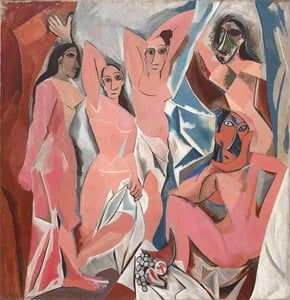
1907年是艺术史上的一个关键时刻,《亚维农少女》的创作标志着一个转折点。受到伊比利亚雕塑和非洲面具的影响,这幅开创性的画作打破了传统透视观念和表现形式。这是一个激进的突破,是对几个世纪以来习俗的刻意摒弃,为立体主义铺平了道路。与乔治·布拉克密切合作,毕加索共同创立了这个革命性运动,从根本上改变了艺术家对现实的感知和描绘方式。分析立体主义(1909-1912年)涉及将物体分解成几何形状,并以柔和的色彩呈现,仿佛在解剖形式本身。这又演变为综合立体主义(1912-1919年),融入拼贴元素——报纸剪报、布料碎片等,增加了纹理和新的视觉复杂性。毕加索并不满足于简单地再现世界;他试图解构它并在自己的条件下重建它。

躁动不羁的实验者:新古典主义、超现实主义与战争

20年代见证了毕加索短暂探索新古典风格,创作出宏伟的人物形象,这些形象既呼应了古典形式,又保留了独特的现代感。与此同时,他也接触了新兴的超现实主义运动,但从未完全认同其原则。他那个时期的作品融合了早期的风格影响与超现实的意象和扭曲的视角,展示了他永无止境的实验精神。西班牙内战的恐怖对毕加索产生了深远的影响,最终促成了《格尔尼卡》(1937年)的创作,这是一部充满强烈情感的作品,是对格尔尼卡被轰炸的回应。这幅宏伟的作品成为了战争暴行的持久象征,巩固了毕加索不仅是一位艺术家,也是和平和社会正义的强大声音的角色。在20世纪50年代和60年代,他继续突破界限,以惊人的好奇心和技巧探索陶瓷、雕塑和版画。1961年与雅克琳·鲁克的婚姻为他的个人生活和艺术表达带来了新的维度。

难以估量的影响

毕加索于1973年4月8日在法国穆安去世,留下了惊人的作品数量——估计超过5万件——这些作品至今仍吸引并激励着人们。他的艺术发展受到各种因素的影响,从委拉斯凯兹和戈雅等西班牙大师到伊比利亚雕塑、非洲艺术以及亨利·马蒂斯的鲜艳色彩。他对20世纪艺术的影响是难以估量的。他共同创立了立体主义,开创了拼贴和构成式雕塑,并且始终挑战着艺术惯例。毕加索的永恒实验重新定义了现代艺术,对几代艺术家产生了持久的影响,巩固了他作为历史上最重要、最有影响力的代表人物之一的地位。他的遗产超越了画布,在当代文化中产生共鸣,提醒我们艺术视野所具有的变革力量。

毕加索

毕加索

1881 - 1973 , 西班牙

艺术家简介

  • Artistic Movement Or Style: 立体主义,超现实主义
  • Artists Or Movements Influenced By This Artist:
    • 立体主义
    • 现代艺术
  • Artists Who Influenced This Artist:
    • 委拉斯开兹
    • 戈雅
    • 马蒂斯
  • Date Of Birth: 1881年10月25日
  • Date Of Death: 1973年4月8日
  • Full Name: 巴布洛·鲁易斯·毕加索
  • Nationality: 西班牙国籍
  • Notable Artworks:
    • 《亚维尼翁少女》
    • 《格尔尼卡》
    • 《老吉他手》
    • 《拉维》
    • 《小丑一家子》
  • Place Of Birth: 马拉加, 西班牙
探索按主题、风格和特征分类的艺术作品。