x


从与原作比例一致的预设尺寸中进行选择。

您可以输入自定义尺寸,以适配特定的画框或空间。如果您选择的尺寸与原图比例不符,我们将对作品进行裁剪,或通过镜像填充/纯色填充边缘的方式来扩展图像。在开始制作之前,我们会向您发送一份数字效果图供您确认。
请注意,屏幕上的预览并不能反映实际的裁剪或扩展效果。只有效果图才能准确展示最终的构图。
虽然我们提供定制尺寸,但为了保持原图比例,我们建议您从预设列表中选择尺寸。

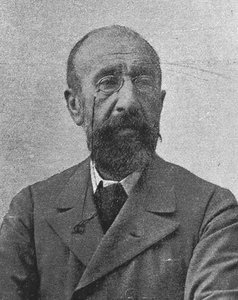
The Scholar
复制品尺寸

In the grand tapestry of late Ottoman history, few figures loom as large or as multifaceted as Osman Hamdi Bey. Born on December 30, 1842, into the upper echelons of Istanbul’s aristocracy—the eldest son of the Grand Vizier Ibrahim Edhem Pasha—Hamdi Bey was destined for a life of profound influence. His journey, however, was not merely one of inherited status but of self-forged intellectual mastery. While his early years were shaped by the political shifts of the Ottoman Empire, it was his immersion in the vibrant, academic atmosphere of Paris that would forever alter the course of Turkish art. Sent to France in 1860 to study law, the allure of the Seine and the burgeoning Impressionist movement redirected his destiny from the courtroom to the canvas, allowing him to absorb the rigorous techniques of Western academic realism.
Under the tutelage of masters such as Jean-Léon Gérôme and Gustave Boulanger, Hamdi Bey developed a meticulous command over light, texture, and form. Yet, he did not merely mimic the European style; instead, he performed a brilliant act of cultural synthesis. He utilized the tools of Western Orientalism to re-examine his own heritage through a lens of scholarly dignity and profound introspection. His work moved away from the exoticized, often superficial depictions of the East common in European studios, opting instead for a deeply nuanced portrayal of Ottoman life, intellect, and spirituality. Through his brush, the East was not an object of curiosity, but a subject of complex, lived reality.
To gaze upon a masterpiece by Osman Hamdi Bey is to enter a space of quiet contemplation and historical depth. His paintings are often characterized by a sense of stillness, where every object—a tile, a manuscript, or a flickering lamp—carries the weight of symbolic significance. In his most celebrated work, The Tortoise Trainer (1906), we see the pinnacle of this meditative approach. The painting, which many believe serves as a self-portrait, depicts an elderly man in the dignified robes of a dervish, engaged in the seemingly impossible task of training slow-moving tortoises. Here, the artist employs a sophisticated use of impasto and light to create a palpable sense of atmosphere, using the scene as a profound metaphor for the patience required for social reform and the slow, arduous progress of civilization.
His technical prowess extended into portraiture and genre painting, where he captured the essence of his subjects with startling realism. In works like Kokona Despina, the viewer is confronted with a weathered visage rendered with such precision that the very texture of time feels etched into the canvas. His ability to manipulate light—often casting soft, defining shadows that grant his figures a sculptural three-dimensionality—allows him to breathe life into the historical settings he depicts. Whether portraying the scholarly gravity of The Scholar or the intimate grace of Portrait of Naile Hanım, Bey’s work remains anchored in a deep respect for the human condition and the architectural splendor of his era.
Beyond the confines of the studio, Osman Hamdi Bey was a titan of institutional progress. He recognized that for a nation to move forward, it must first understand its foundations. As a pioneering archaeologist and administrator, he played an instrumental role in establishing the scientific study of the past within the Ottoman Empire. His tireless efforts led to the creation of the Istanbul Archaeology Museums, providing a sanctuary for the empire's vast and precious antiquities. By implementing legislation to regulate archaeological finds, he protected the cultural heritage of Anatolia from being lost to the tides of unregulated excavation.
His contributions to education were equally transformative. As the founder of the Istanbul Academy of Fine Arts (now known as Mimar Sinan Fine Arts University), he laid the groundwork for formal art education in Turkey, ensuring that future generations would have access to the same rigorous training that had shaped him. His legacy is thus twofold: he was both a creator of beauty and a protector of history. Through his dual roles as a painter and a museologist, Osman Hamdi Bey bridged the gap between the traditions of the East and the academic rigor of the West, leaving behind an indelible mark on the cultural identity of a modernizing nation.

Discover the profound allure of oil on canvas. Explore the mastery of impasto textures, the science of pigment longevity, and expert guides to selecting museum-quality reproductions that elevate your collection with timeless elegance and tactile depth.

Discover the enduring allure of oil on canvas. Explore how master techniques like impasto and glazing create the depth, texture, and emotional resonance found in the world's greatest masterpieces. An essential guide for fine art enthusiasts and discerning collectors.

Discover the enduring legacy of oil on board painting. Explore how historical techniques, rich impasto textures, and structural durability create timeless masterpieces that bridge Renaissance grandeur with modern art collecting excellence.

Discover the enduring allure of hand-painted oil reproductions. WahooArt offers museum-quality, archival masterpieces designed for discerning collectors seeking timeless beauty and a lasting legacy. Invest in fine art that transcends generations with our expert craftsmanship.

Explore the profound secrets of classical oil painting. From the delicate mastery of glazing to the dramatic depth of chiaroscuro, discover the timeless techniques used by Old Masters to create enduring, museum-quality masterpieces that capture light and emotion.


第一时间获取最新的艺术新闻、独家优惠及装饰灵感。
向我们介绍您的项目需求,我们的艺术专家将为您提供 3 个个性化的艺术品推荐。
由我们的专家为您精选 3 款心仪之作 —— 完全免费!


 效果预览
效果预览
 购买手绘画作
 分享
分享 分享
分享
 详情
详情

 下载
下载
 相似作品
相似作品 X射线
X射线 幻灯片播放
幻灯片播放
 展开详情
展开详情






































 玻璃选项仅适用于110厘米以下的尺寸。