x
购买手绘画作 购买手绘画作购买图片 购买图片 分享分享
详情详情 加入收藏 加入收藏 下载下载 相似作品相似作品 幻灯片播放幻灯片播放

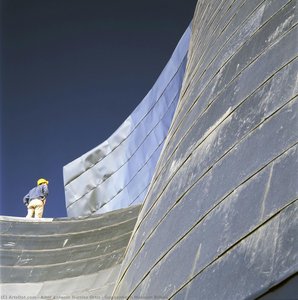
Wish Tree for Bilbao

Explore Yoko Ono's 'Wish Tree for Bilbao,' a participatory installation symbolizing peace and featuring an olive tree within a minimalist Guggenheim Museum space.

探索小野洋子(生于1933年):观念与行为艺术家、音乐家、和平活动家及激浪派先驱。探索她前卫的艺术成就以及她与约翰·列侬共同留下的传奇遗产。

艺术微喷/版画

博物馆级艺术微喷或帆布版画,制作高效,并提供多种饰面选择。 (购买手绘画作 购买手绘画作购买图片 购买图片)

标准尺寸
定制
CM
INCH

从与原作比例一致的预设尺寸中进行选择。

宽度
高度

您可以输入自定义尺寸,以适配特定的画框或空间。如果您选择的尺寸与原图比例不符,我们将对作品进行裁剪,或通过镜像填充/纯色填充边缘的方式来扩展图像。在开始制作之前,我们会向您发送一份数字效果图供您确认。
请注意,屏幕上的预览并不能反映实际的裁剪或扩展效果。只有效果图才能准确展示最终的构图。
虽然我们提供定制尺寸,但为了保持原图比例,我们建议您从预设列表中选择尺寸。

全球配送(),仅需 2 周即可送达,无需等待标准流程的 4/5 周。(30 August)

why_choose_icon
全球免费特快专递服务
why_choose_icon
优质亚麻画布
why_choose_icon
全程运输保险
why_choose_icon
关税退款保证
why_choose_icon
色彩还原度保证
why_choose_icon
60天退货政策(仅限制造缺陷)
why_choose_icon
100%退款保证
why_choose_icon
多件购买优惠

总计金额

$ 68

reproduction

Wish Tree for Bilbao

艺术微喷/版画

复制品尺寸

-

最终总价

$ 68

作品概览

  • Notable elements or techniques: Participatory artwork; Whispering tree
  • Title: Wish Tree for Bilbao
  • Year: 2014
  • Influences: Japanese tradition
  • Medium: Installation
  • Location: Guggenheim Museum Bilbao
  • Subject or theme: Peace; Wishes

艺术知识测试

每道题只有一个正确答案。

题目 1:
What is the primary artistic concept conveyed by Yoko Ono’s ‘Wish Tree for Bilbao’?
题目 2:
‘Wish Tree for Bilbao’ draws inspiration from which cultural tradition?
题目 3:
What material is predominantly used in the construction of the olive tree planter?
题目 4:
How does Ono’s artistic approach contribute to the overall mood and atmosphere of the installation?
题目 5:
What is the significance of the olive tree itself within ‘Wish Tree for Bilbao’?

Wish Tree for Bilbao: A Dialogue Between Tradition and Minimalism

The Guggenheim Museum Bilbao’s “Wish Tree for Bilbao” installation isn't merely an artwork; it’s an invitation—a carefully orchestrated gesture of global solidarity rooted in Japanese artistic heritage. Created by Yoko Ono in 2014, this piece speaks volumes about Ono’s lifelong dedication to peace activism and her pioneering exploration of participatory art forms. It represents a fascinating confluence of influences: the contemplative spirit of Zen Buddhism, the Japanese custom of hanging prayers from trees—a practice dating back centuries—and Ono's own distinctive aesthetic vision.
  • Subject Matter & Concept: At its core, “Wish Tree for Bilbao” embodies the universal desire for tranquility and positive change. Ono conceived it as a response to her late husband John Lennon’s advocacy for peace during his lifetime, mirroring the intention behind Imagine Peace Tower—a monumental sculpture designed to foster contemplation and inspire hope. Visitors are encouraged to write down their aspirations for a brighter future on small slips of paper affixed to branches of an olive tree, symbolizing resilience and renewal.
  • Style & Technique: Ono’s approach is deliberately minimalist. The installation utilizes simple geometric forms—a stark white rectangular planter housing a single olive tree—to create a serene visual environment. This deliberate reduction emphasizes the tree itself as the central element, highlighting its organic beauty against the backdrop of architectural precision. The installation eschews elaborate ornamentation, prioritizing clarity and emotional resonance over stylistic complexity.
  • Historical Context: Ono’s artistic trajectory began in Tokyo during her formative years, influenced by a family steeped in tradition yet open to experimentation. Her relocation to New York City in 1952 coincided with the rise of Abstract Expressionism and Conceptual Art, propelling her into dialogues with influential artists of the era. “Wish Tree for Bilbao” builds upon this legacy, drawing inspiration from Zen Buddhist principles—specifically the idea of emptiness—to convey a profound sense of stillness and contemplation.
  • Symbolism: The olive tree itself carries significant symbolic weight across cultures. In Judaism and Christianity, it represents peace, fertility, and immortality. Ono’s selection of this particular species underscores her commitment to nurturing positive values and fostering connections between individuals worldwide. The act of writing wishes onto the branches symbolizes vulnerability—a willingness to express hopes for a better world—while simultaneously affirming faith in collective action.
  • Emotional Impact: Viewing “Wish Tree for Bilbao” evokes feelings of serenity, optimism, and connectedness. Its understated elegance invites viewers to pause, reflect, and consider their own role in promoting peace and fostering compassion. Ono’s intention is not merely to present an aesthetically pleasing object but rather to stimulate dialogue and inspire a shared commitment to creating a more harmonious society—a mission that resonates powerfully within the Guggenheim Museum's context as a space for artistic exploration and cultural exchange.
The Guggenheim Bilbao’s curators recognized Ono’s contribution to contemporary art, presenting “Wish Tree for Bilbao” as an emblem of Ono’s enduring vision. Its enduring appeal lies in its ability to transcend cultural boundaries and speak directly to the human desire for beauty, contemplation, and a hopeful outlook on the future—a testament to Ono's pioneering spirit and her unwavering belief in the transformative power of art.

艺术家简介

艺术与行动主义交织的一生

小野洋子于1933年出生于东京,其艺术历程难以用简单的标签来定义。出身于日本贵族家庭的她,本拥有优渥的成长环境,然而二战带来的动荡剧烈地重塑了她的生命。这段经历赋予了她对人类苦难的深刻感知力以及对和平的坚定承诺——这些主题随后成为了她艺术创作的核心。从小,洋子便展现出对创意表达的天赋,最初通过钢琴学习开启艺术之门,但很快便扩展到更广泛的艺术探索中。1952年,随家人移居纽约市成为了她人生的转折点,这让她沉浸在蓬勃发展的先锋派艺术氛围中,为她日后挑战传统艺术观念的职业生涯奠定了基础。虽然在莎拉·劳伦斯学院接受的早期教育为其提供了知识底蕴,但真正点燃她艺术灵魂的,却是那充满活力的纽约曼哈顿艺术界。

拥抱先锋:激浪派与观念艺术的开端

洋子很快便被20世纪60年代纽约艺术界激进的实验精神所吸引,并成为了激浪派(Fluxus)运动的关键成员。这个国际性的艺术团体试图打破传统的艺术边界,将偶然性、行为表演和日常生活视为合法的创作灵感来源。在作曲家约翰·凯奇——其对沉默与不确定性的运用深刻影响了她的创作方式——以及拉蒙特·杨等艺术家的启发下,洋子开始构建一套以观念主义为核心的独特艺术语言。她的早期作品并非传统意义上的绘画或雕塑,而是“事件”、 “偶发艺术”以及指令性作品,旨在激发思考并直接与观众互动。这些表演往往超越了分类的范畴,比起美学表现,她们更看重思想的传递,模糊了艺术家与旁观者之间的界限。一个典型的例子是她的“指令绘画”系列,通过向观众提供简单的指令并邀请其完成,将原本被动的观察者转化为艺术创作的积极参与者。这种对参与感的强调,预示了她后期作品中一个至关重要的特征。

拓展艺术边界:从行为艺术走向和平理想

小野洋子的艺术产出极其丰富多样,涵盖了观念艺术、行为艺术、音乐、电影制作以及不懈的和平行动主义。她的“指令性作品”,最著名的便是收录于《葡萄柚》(1964)中的篇章,这或许是她对观念艺术最标志性的贡献。这些富有诗意的提示语——从天马行空的想象(“想象一颗雨滴”)到发人深省的思考(“想一件你想要改变的事”)——邀请观众动用想象力,在脑海中完成艺术创作。诸如《利物浦云梯》之类的装置作品展示了她对公共艺术的投入,通过创造与城市空间互动的宏伟结构来引发人们的沉思。“许愿树”系列则通过让访客在标签上写下心愿并系于树枝,体现了希望、集体意愿以及对和平的渴望——这也是她贯穿职业生涯的主旋律。随着1966年与约翰·列侬建立关系,这种对全球和谐的追求变得愈发显著。尽管1969年的婚姻面临着媒体的严苛审视,但它也为两人的共同行动主义提供了一个强大的平台。他们共同发起了一系列针对越南战争的标志性抗议活动,包括著名的“和平床上静坐”,并组建了塑料小野乐队(Plastic Ono Band),发布了如《婚礼专辑》和《双重幻想》等广受好评的专辑,并在1980年荣获格莱美奖。

创新与倡导的持久遗产

在1980年约翰·列侬不幸逝世后,小野洋子致力于通过各种倡议来守护他的精神遗产,例如纽约中央公园的“史翠飞地”以及冰岛的“想象和平塔”——这座作为和平祭奠而建立的灯塔,象征着希望。她至今仍在持续创作艺术,并为自己心系的事业奔走呼吁:包括和平、环境可持续性以及人权。她的先驱性工作深刻影响了各领域的后辈艺术家,挑战了传统规范,并拓展了艺术表达的可能性。洋子对观念主义、观众参与和社会介入的强调,在当代艺术实践中依然具有显著的意义。她不仅被公认为一位开创性的艺术家,更是一位利用自身影响力推动积极变革的勇敢行动者,在艺术界与全球社会格局中留下了不可磨灭的印记。她的作品提醒着我们,艺术不仅仅是供人观赏的对象;它更可以成为对话、疗愈与转化的催化剂。 小野洋子的影响力在今天依然激荡人心,激励着艺术家与行动主义者共同去构想一个更加和平、更加公平的世界。
小野洋子

小野洋子

1933 - , 日本

艺术家简介

  • Artistic Movement Or Style: 观念艺术, 流派 (Fluxus)
  • Artists Or Movements Influenced By This Artist:
    • 行为艺术
    • 前卫音乐
  • Artists Who Influenced This Artist:
    • 约翰·凯奇
    • 拉·蒙特·杨
  • Date Of Birth: 1933年
  • Full Name: 小野洋子
  • Nationality: 日本
  • Notable Artworks:
    • 《葡萄柚》
    • 《利物浦云梯》
    • 《许愿树》
    • 《忠犬八公》
  • Place Of Birth: 日本东京