
 Gelatin Silver PrintPhotoModernist Photography
 1939Modern
 26.0 x 19.0 cm
 国立美术馆 (NGV)
博物馆级艺术微喷或帆布版画,制作高效,并提供多种饰面选择。 ( 订购此收藏品的纯手工复刻画作 切换至数字图像销售渠道)
您可以从与原作比例一致的预设尺寸中进行选择。

请输入您所需的宽度和高度,以适配您的画框或墙面。由于印刷品只能进行裁剪,无法超出原图尺寸,因此若比例不一致,画面的一部分将会被裁切。在正式印刷之前,我们会为您发送一份数字效果图供您确认。本页面显示的图片并非最终裁剪后的效果——只有效果图才能展示真实的裁剪情况。
Max after surfing
复刻品尺寸说明
In the quiet interplay of light and shadow captured within Max after surfing, we encounter more than just a photographic portrait; we witness the birth of an aesthetic era. Created in 1939 by the pioneering Australian modernist Olive Edith Cotton, this silver gelatin print serves as a profound testament to the vitality of the human spirit. The subject, Max Dupain—Cotton’s husband, collaborator, and a titan of Australian photography—is presented not merely as a man returning from the sea, but as an icon of physical grace. Bathed in dramatic, directional lighting, his muscular torso emerges from the monochromatic depths, creating a sculptural presence that feels both intimate and monumental. The starkness of the background allows the viewer to focus entirely on the interplay of form and texture, where the smoothness of skin meets the sharp, decisive edges of shadow.
The composition is a masterclass in modernist restraint. By positioning the figure against a simple, pale wall, Cotton strips away the distractions of the external world, forcing an encounter with the subject's physical essence. The vertical lines created by the play of light across the torso lend a sense of stability and strength to the frame, reminiscent of classical Greek statuary. This was no accidental choice; during the 1930s, there was a burgeoning cultural movement in Australia toward celebrating a "new" body—one shaped by sunlight, sport, and the rugged beauty of the coastline. Through her lens, Cotton elevates a moment of post-surf repose into a timeless study of health, vigor, and the idealized masculine form.
To gaze upon this work is to appreciate the delicate alchemy of early 20th-century photographic technique. Using silver gelatin paper, Cotton manipulated light to achieve a high-contrast brilliance that defines the modernist style. The way the highlights dance across the subject's chest while deep, velvety blacks anchor the composition demonstrates an extraordinary command over tonal range. This mastery of monochrome allows the photograph to transcend its specific historical moment, offering a sense of permanence and classical beauty that remains strikingly contemporary.
For the discerning collector or interior designer, Max after surfing offers a sophisticated focal point for any curated space. Its monochromatic palette provides a versatile elegance, capable of anchoring a minimalist modern gallery or adding a layer of intellectual depth to a classic study. The image does not merely decorate a wall; it commands attention through its emotional resonance and historical weight. It evokes feelings of strength, vitality, and the sun-drenched nostalgia of a bygone era, making it an evocative choice for those seeking to surround themselves with art that embodies both movement and stillness.
馆藏于 国立美术馆 (NGV) 的 Olive Edith Cotton 的《Max after surfing》 属于 仍受版权保护。这一状态决定了该图像是否可以进行复制。
在Modernist Photography运动中,"Max after surfing"以Reflective的基调被记录下来。
Olive Edith Cotton 的《Max after surfing》 的色彩饱和度为 Muted,色彩强度为 Monochromatic。

1911 - 2003 , Australia

Explore the powerful world of Max Beckmann's art – a journey through trauma, modernity & distortion. Discover his key works, influences, and lasting legacy with expert analysis.
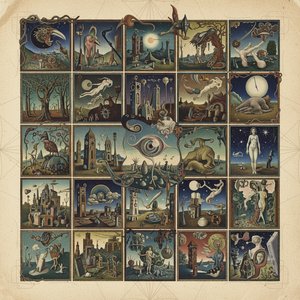
探索马克斯·恩斯特25幅大师级作品,领略超现实主义的奇幻魅力!深入了解达达主义先驱的艺术生涯、创新技法与梦境般的视觉世界。WahooArt.com提供高品质艺术复制品,为您的家居装饰增添永恒之美。立即在线探索完整系列!
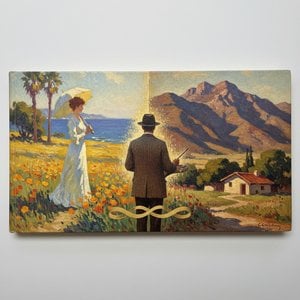
Explore the life & work of Joseph Kleitsch, a pivotal California Impressionist painter. Discover his vibrant landscapes, portraits, and legacy within the Laguna Beach art colony. A comprehensive study for collectors & enthusiasts.

Explore the captivating landscapes of Sir Grahame Sydney, a leading New Zealand artist renowned for his magic realism & evocative depictions of Otago's beauty. Discover key works and delve into his artistic legacy.

Explore the captivating world of Max Klinger, a pivotal German Symbolist artist. Discover his groundbreaking prints, psychological themes, & influence on modern art movements like Expressionism. Expert analysis and insights.


 发送
发送 分享
分享
 详情
详情 指南
指南

 下载图片
下载图片
 相似作品
相似作品 幻灯片播放
幻灯片播放 统计数据
统计数据 阅读全文
阅读全文






































 玻璃选项仅适用于110厘米以下的尺寸。


![Olive Trees [1889] — 文森特·威廉·梵谷, Post-impressionism](/media/artworks/images-thumb/e4/68/e4688f7160b2dc16059fc15af708ca73.jpg)


