


x

 Japanese Traditional
 701
701 18.0cm x 26.0cm
从与原作比例一致的预设尺寸中进行选择。

您可以输入自定义尺寸,以适配特定的画框或空间。如果您选择的尺寸与原图比例不符,我们将对作品进行裁剪,或通过镜像填充/纯色填充边缘的方式来扩展图像。在开始制作之前,我们会向您发送一份数字效果图供您确认。
请注意,屏幕上的预览并不能反映实际的裁剪或扩展效果。只有效果图才能准确展示最终的构图。
虽然我们提供定制尺寸,但为了保持原图比例,我们建议您从预设列表中选择尺寸。

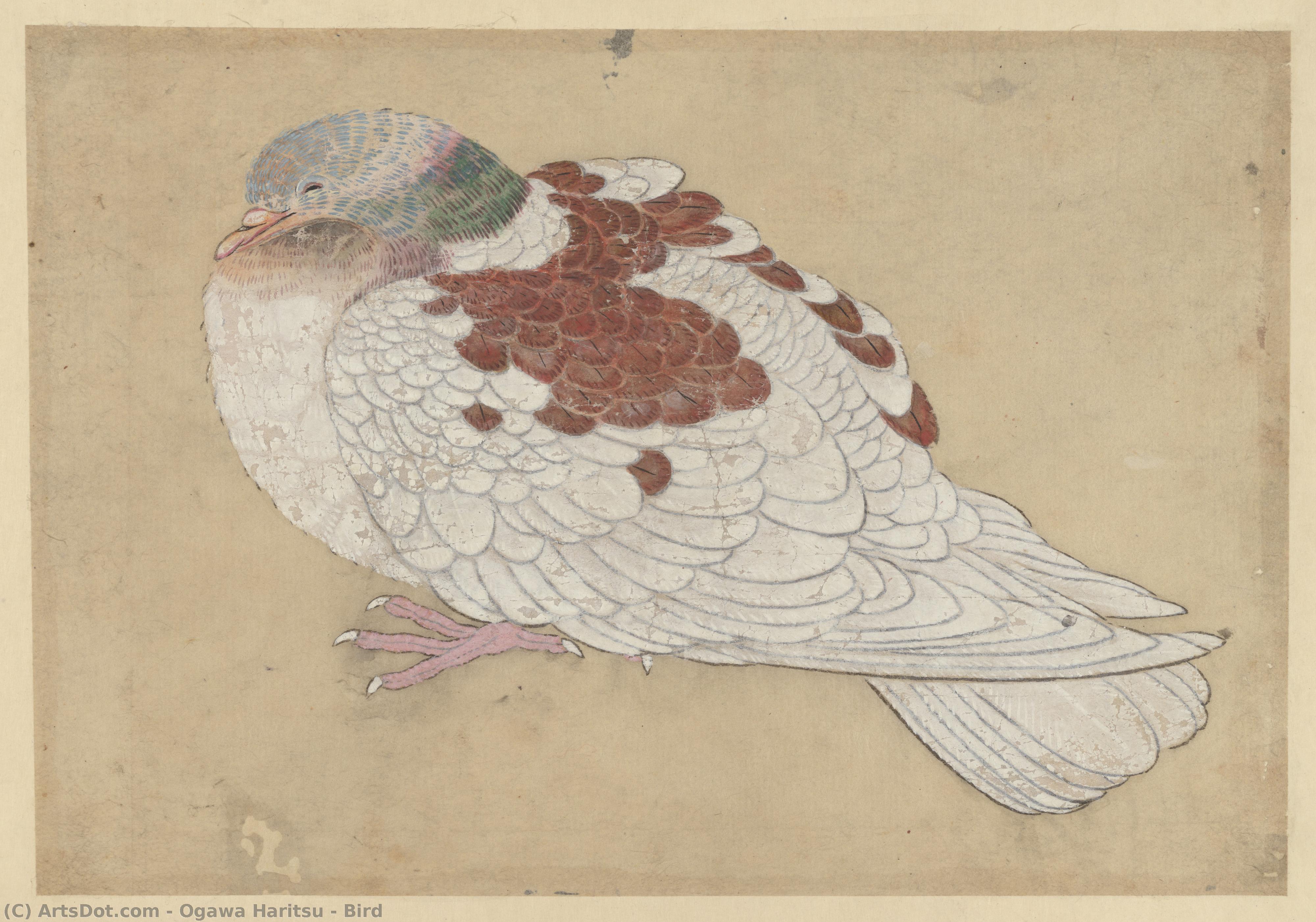
Bird
复制品尺寸

Ogawa Haritsu, also known as Ritsuō, was a figure who embodied the multifaceted spirit of Edo-period Japan. Born in 1663 in what is now Tokyo, his life unfolded during a time of relative peace and flourishing arts under the Tokugawa shogunate. While biographical details remain somewhat elusive—a common trait for artists of this era whose fame rested more on their creations than documented personal histories—Haritsu’s legacy speaks volumes through the exquisite works he left behind. He wasn't merely an artist; he was a polymath, equally adept with brush and ink as he was with lacquer and ceramic, a testament to the breadth of artistic training available to those within the samurai class.
Haritsu’s talent wasn't confined to a single medium. He excelled in painting, particularly in the sumi-e style—the art of ink wash painting that emphasizes simplicity, spontaneity, and capturing the essence of nature. His poetry, though less widely known today than his visual works, reveals a sensitivity and depth of observation that clearly informed his artistic vision. However, it is for his lacquerware that Haritsu achieved lasting renown. He didn’t simply apply lacquer; he transformed it into breathtaking objects of art. His pieces often incorporated ceramic elements, showcasing an innovative approach to materials and techniques. This fusion wasn't merely decorative; it represented a deliberate exploration of texture, form, and the interplay between different artistic disciplines.
The Edo period saw a continuation of established Japanese aesthetic principles—a reverence for nature, asymmetry, and subtle beauty. Haritsu deeply understood these traditions, but he wasn’t content to simply replicate them. He infused his work with a spirit of innovation, experimenting with new forms, techniques, and combinations of materials. His lacquerware, in particular, stands out for its intricate designs and the masterful use of maki-e (gold dust sprinkling) and other elaborate decorative methods. He moved beyond purely functional objects, creating pieces that were intended as works of art in their own right—a reflection of the growing appreciation for artistic expression during his lifetime.
Haritsu's contributions to Japanese art extended beyond the beauty of individual objects. He helped elevate lacquerware from a craft to a high art form, influencing generations of artists who followed in his footsteps. His blending of different artistic disciplines—painting, poetry, and industrial arts—demonstrated a holistic approach to creativity that resonated with many contemporaries and continues to inspire today. While he didn’t found a formal school or establish a large workshop, the impact of his style can be seen in the works of other Edo-period artists who embraced similar principles of innovation and craftsmanship.
Though celebrated during his lifetime, Haritsu's work experienced periods of relative obscurity after his death in 1747. In recent decades, however, there has been a renewed appreciation for his artistry. Museums and collectors alike have recognized the significance of his contributions to Japanese art, leading to increased scholarship and exhibitions dedicated to his life and works. His pieces offer a glimpse into the refined aesthetic sensibilities of Edo-period Japan—a world where beauty was found in simplicity, craftsmanship was valued above all else, and artists like Ogawa Haritsu dared to push the boundaries of tradition while remaining deeply rooted in its essence.

1663 - 1747 , Japan
探索水彩艺术的流光溢彩!深入了解其历史渊源、大师技法与现代实践。提供专业的艺术咨询、定制油画服务,助您收藏和鉴赏优秀作品。WahooArt.com – 您的艺术之选。
Journey through 10 legendary watercolor masterpieces by Sargent, Turner & Homer! Explore iconic landscapes, portraits & floral art that redefined history. Find museum-quality reproductions and curated decor ideas at WahooArt.com.

Explore the captivating world of watercolor painting! Discover its rich history, essential techniques, influential artists & collecting tips. A comprehensive guide for art enthusiasts from WahooArt.
Explore the captivating world of watercolor painting! Discover its rich history, essential techniques, influential artists & collecting tips from art experts. A comprehensive guide for enthusiasts.
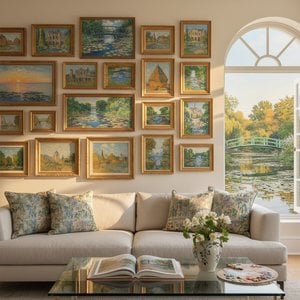
探索克劳德·莫奈25幅杰作,沉浸于印象派大师的光影世界。从《睡莲》到《日出·印象》,感受色彩与情感的完美交融。WahooArt.com提供博物馆级艺术复制品,为您的家居带来臻选装饰灵感!立即探索完整系列。


第一时间获取最新的艺术新闻、独家优惠及装饰灵感。
向我们介绍您的项目需求,我们的艺术专家将为您提供 3 个个性化的艺术品推荐。
由我们的专家为您精选 3 款心仪之作 —— 完全免费!
 定制手绘复刻品
 分享
分享 分享
分享
 详情
详情

 下载
下载
 相似作品
相似作品 X射线
X射线 幻灯片播放
幻灯片播放 展开详情
展开详情






































 玻璃选项仅适用于110厘米以下的尺寸。


