
 Acrylic On CanvasWallArtSymbolism
 1905
1905 5.0 x 48.0 cm
 Kunsthaus Zürich
由我们的艺术家按需定制,为您提供您所选尺寸及画框的布面手工油画。 ( 切换至版画销售渠道 切换至数字图像销售渠道)





























您可以从与原作比例一致的预设尺寸中进行选择。

请输入您需要的宽度和高度,以适配您的画框或墙面。由于作品为手工绘制,若您选择不同的尺寸比例,艺术家可能会在画面边缘多画一些或稍作裁剪 —— 由您决定。在开始绘画之前,我们会为您发送一份数字效果图供您确认。本页面上展示的图片并非最终实物 —— 只有效果图才能反映真实结果。
Beatrice
复刻品尺寸说明
Odilon Redon’s “Beatrice,” painted in 1905, isn't merely a portrait; it’s an invitation to a realm beyond the visible, a shimmering glimpse into the artist’s profoundly personal and often unsettling inner world. The painting immediately arrests the viewer with its arresting color palette – vibrant reds bleeding into deep blues and purples, punctuated by flashes of yellow—a deliberate orchestration designed to evoke both passion and melancholy. But it is the central figure, a woman whose face seems to dissolve or melt away, that truly commands attention. This isn’t a depiction of physical beauty in the conventional sense; instead, Redon presents an image of profound vulnerability and perhaps even disintegration. The distortion, far from being a flaw, becomes the very essence of the work, suggesting a state of emotional turmoil, a surrender to the subconscious, or a fleeting moment of existential questioning.
Image of Beatrice by Odilon Redon
Redon’s artistic journey was deeply rooted in Symbolism, a movement that rejected realism and embraced subjective experience, dreams, and the mystical. Influenced by artists like Gustave Moreau and Émile Bernard, Redon sought to capture not what he *saw*, but what he *felt* – the hidden emotions and anxieties lurking beneath the surface of reality. His early work, particularly his “noirs” (black paintings), established this preoccupation with the shadowy, the obscure, and the psychologically charged. The stained-glass window backdrop, a recurring motif in Redon’s oeuvre, isn't a literal representation but rather an evocative device—a portal to another dimension, a symbolic echo of the dreamlike atmosphere enveloping the central figure. The archway itself suggests a transition, a passage between worlds, mirroring the woman’s own internal transformation.
The painting’s creation coincided with Redon's exploration of Japanese art and its influence on his work. He was fascinated by the flattened perspective, bold colors, and symbolic imagery found in Japanese prints, which he incorporated into his own style to create a unique visual language. This fusion of European Symbolism and Japanese aesthetics is evident in “Beatrice,” contributing to the painting’s otherworldly quality.
Redon masterfully employed pastel on paper, a medium that allowed him to achieve remarkable luminosity and textural complexity. He built up layers of color with delicate strokes, creating an almost velvety surface—a tactile invitation for the viewer to engage with the painting’s emotional depth. The loose application of pigment contributes to the sense of fluidity and instability, mirroring the woman's dissolving features. The artist’s meticulous attention to detail is evident in the subtle gradations of color and the delicate rendering of the background elements, creating a harmonious balance between chaos and control.
Notably, Redon abandoned his earlier “noir” style around 1900, embracing pastel and oil as his preferred mediums. This shift reflects a move towards brighter colors and a greater emphasis on capturing fleeting moments of emotion and sensation. “Beatrice” exemplifies this new approach, showcasing Redon’s ability to evoke profound psychological states through the skillful manipulation of color and texture.
Ultimately, “Beatrice” is a haunting meditation on beauty, decay, and the fragility of human experience. The melting face isn't simply an artistic experiment; it’s a potent symbol of vulnerability, loss, and the inevitable passage of time. The two figures in the background—a man and a woman—seem to observe this internal drama with a mixture of concern and detachment, suggesting that Beatrice’s transformation is not merely personal but also reflects broader anxieties about mortality and identity. Redon's masterpiece invites us to contemplate our own inner landscapes, prompting us to confront the hidden depths of our emotions and the unsettling beauty of the human condition.
建议为 奥迪龙·雷东 的《Beatrice》 制作 Medium 的复制品。尺寸可以在保持比例不变的情况下进行调整。
"Beatrice" 描绘了 melting face, distortion, dreamlike, archway, stained glass, red, purple,而 奥迪龙·雷东 记录在案的主题则是 symbolism, dreams, myth, redon’s visions, french symbolism, victorian anxieties, religious symbolism, altered states。通过两者的对比,可以看出此作与艺术家惯用题材之间的关联。

1840 - 1916 , 法國

Embark on a journey through the subconscious with our expert guide to Surrealism. Discover the profound symbolism of masters like Dalí and Ernst, exploring how dreamlike imagery reshaped art history and continues to inspire collectors and enthusiasts worldwide.

Embark on a sophisticated journey through the dreamlike world of Symbolist painting. Explore the profound depths of the subconscious, from Odilon Redon to Dalí, and discover how these evocative masterpieces continue to inspire collectors and art enthusiasts worldwide.
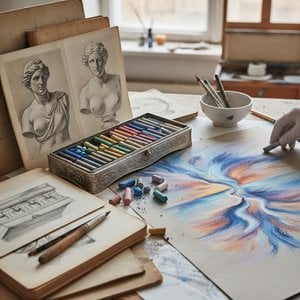
Explore the ethereal beauty of pastel art. Discover how Impressionist masters used soft hues and velvety textures to capture light. A professional guide for art enthusiasts seeking to understand, collect, and appreciate the delicate magic of this timeless medium.

Embark on a sophisticated journey through the surrealist movement. Discover how masters like Dalí and Ernst blurred the lines between dreams and reality through innovative techniques, exploring the profound impact of the subconscious on fine art history with expert authority.


 实景预览
实景预览
 发送
发送 分享
分享
 详情
详情 指南
指南

 下载图片
下载图片
 相似作品
相似作品 X射线
X射线 幻灯片播放
幻灯片播放 统计数据
统计数据 阅读全文
阅读全文









 玻璃选项仅适用于110厘米以下的尺寸。


