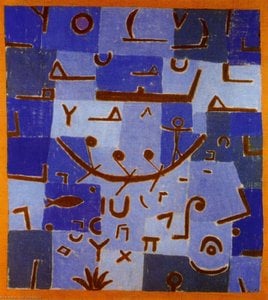
Acrylic On CanvasWallArtBrazilian Modernism
 1926
1926 199.0 x 68.0 cm
 众议院
众议院




























从与原作比例一致的预设尺寸中进行选择。

您可以输入自定义尺寸,以适配特定的画框或空间。如果所选尺寸与原图比例不符,我们将通过裁剪作品或添加手绘元素来扩展画面。数字样稿将在制作开始前发送给您确认。
请注意,屏幕预览无法准确反映实际的裁剪或扩展效果,只有样稿才能真实呈现最终的构图。
虽然我们提供定制尺寸服务,但为了保留原作比例,建议您从预设列表中选择尺寸。

Rui Barbosa
复制品尺寸
Nilo Procópio Peçanha (October 2, 1867 – March 31, 1924), also known as niló peçanha, nilo pecanha, or nilo procopio pecanha, was a remarkable figure in Brazilian history, uniquely recognized for his dual roles as a prominent politician and an accomplished artist. Born in Campos dos Goytacazes, Brazil, Peçanha’s life unfolded against the backdrop of significant political and social change in early 20th-century Brazil. While primarily remembered as the seventh president of Brazil (1909–1910) and a key figure in Rio de Janeiro's governance (1903–1906), his artistic contributions, particularly his portraiture, offer a fascinating glimpse into his personal passions and the era’s aesthetic sensibilities.
Peçanha’s political career was marked by rapid ascent. He served as governor of Rio de Janeiro before being elected fifth vice president of Brazil in 1906. Following the death of President Afonso Pena in 1909, he assumed the presidency, a period characterized by navigating complex national and international affairs. His presidency, though relatively brief (1909-1910), was significant for its role during a turbulent time in Brazilian politics. He is frequently considered Brazil's first Afro-Brazilian president, although discussions surrounding his racial identity remain a subject of historical debate. This recognition underscores the evolving understanding of race and representation within Brazilian society.
Beyond his political achievements, Peçanha possessed a keen artistic talent, primarily expressed through portrait painting. While not extensively documented compared to his political career, surviving examples of his work reveal a skilled hand capable of capturing likeness and character. His most notable artwork is arguably the portrait of Rui Barbosa, a renowned Brazilian jurist, writer, and politician. This piece exemplifies Peçanha’s artistic style – characterized by realistic representation and attention to detail. The portraits offer valuable insights into the personalities and social standing of prominent figures within Brazil's elite circles during that period.
Information regarding specific artistic influences on Peçanha is limited, but it’s reasonable to assume he was influenced by prevailing European portraiture traditions popular in Brazil at the time. The realism evident in his work suggests an appreciation for academic painting styles prevalent during the late 19th and early 20th centuries. His artistic development likely occurred through self-study and observation, reflecting a personal passion pursued alongside his demanding political career. It is believed that he received some formal training but primarily honed his skills through practice.
Nilo Procópio Peçanha’s legacy rests on the unique intersection of his political leadership and artistic talent. He represents a rare instance of a head of state actively engaged in creating visual art, providing a personal perspective on the era's social and political landscape. While his artistic output may not be as extensive as dedicated professional artists, it serves as an intriguing testament to his multifaceted personality and offers a valuable window into Brazilian history through both political action and artistic expression. His work continues to spark interest and discussion regarding Brazil’s complex racial dynamics and the contributions of Afro-Brazilians to its cultural heritage.

1867 - 1924 , Brazil

Explore the captivating world of Benedito Calixto, a pivotal Brazilian Modernist painter. Discover his iconic landscapes, the story behind the famous Bandeirante portrait, and his lasting impact on Brazilian national identity. Learn more at WahooArt.

Explore the captivating world of Alceu de Paula Penna, a pivotal figure in Brazilian Modernism. Discover his innovative concrete poetry & influence on Latin American art history. Expert insights for collectors.

Explore the captivating art of Jean-Baptiste Debret, a key witness to Brazil’s imperial era. Discover his iconic portraits, historical scenes & insightful depictions of Brazilian life. Learn about his legacy and find museum-quality reproductions at WahooArt.

Explore the life & art of Rafael Barradas, a pioneering Uruguayan modernist who blended European influences with vibrant local heritage. Discover his unique 'Vibrationism' style and investment potential.


 效果预览
效果预览
 购买印刷品
购买印刷品 分享
分享 分享
分享
 详情
详情

 下载
下载
 相似作品
相似作品 X射线
X射线 幻灯片播放
幻灯片播放 展开详情
展开详情









 玻璃选项仅适用于110厘米以下的尺寸。