
由我们的艺术家按需定制,为您提供您所选尺寸及画框的布面手工油画。 ( 切换至版画销售渠道 切换至数字图像销售渠道)





























从与原作比例一致的预设尺寸中进行选择。

您可以输入自定义尺寸,以适配特定的画框或空间。如果所选尺寸与原图比例不符,我们将通过裁剪作品或添加手绘元素来扩展画面。数字样稿将在制作开始前发送给您确认。
请注意,屏幕预览无法准确反映实际的裁剪或扩展效果,只有样稿才能真实呈现最终的构图。
虽然我们提供定制尺寸服务,但为了保留原作比例,建议您从预设列表中选择尺寸。

Spring (The Earthly Paradise)
复制品尺寸
Nicolas Poussin’s “Spring” is arguably one of the most iconic landscapes of the Baroque era, capturing a moment of profound beauty and spiritual contemplation. Painted in 1664 during his prolific period in Rome, this masterpiece exemplifies Poussin's masterful command of classical principles – balance, harmony, and idealized form – resulting in an image that transcends mere depiction to convey a deeper emotional resonance.
The painting’s central focus is a serene woodland scene dominated by two figures: Adam and Eve. Positioned on a weathered stone bench beneath the dappled shade of ancient trees, they gaze upon a blossoming meadow teeming with life – lambs frolicking amongst wildflowers and birds soaring overhead. This deliberate arrangement adheres to the Pythagorean harmony, where opposing forces coexist in equilibrium, symbolizing the reconciliation between innocence and experience.
Poussin employed a technique characterized by meticulous brushwork and subtle tonal gradations. Layers of thin washes create an ethereal atmosphere, conveying the diffused light filtering through the foliage – a hallmark of Baroque landscape painting. The artist skillfully utilized sfumato, blurring edges and softening contours to achieve remarkable depth and realism without resorting to harsh contrasts. This masterful blending of colors contributes significantly to the overall sense of tranquility and wonder.
“Spring” emerged from a broader artistic movement that sought to revive classical ideals after centuries of Mannerist experimentation. Inspired by Raphael’s frescoes in the Vatican Stanze, Poussin embraced the humanist tradition of representing idealized beauty and moral virtue. The scene draws heavily on biblical narratives – specifically Genesis 2:15–17 – portraying Adam and Eve's acceptance of God’s divine commandment to cultivate the garden and procreate. This symbolic gesture underscores themes of creation, fertility, and humanity’s relationship with the natural world.
The blossoming meadow represents rebirth and renewal – a visual metaphor for spiritual regeneration. The lambs symbolize innocence and purity, while the birds embody divine grace and messengers of God's benevolent providence. Even the weathered stone bench serves as a reminder of time’s passage and the enduring presence of God amidst earthly concerns. Ultimately, “Spring” invites viewers to contemplate the beauty of creation and the promise of eternal life.
“Spring” transcends mere visual representation; it evokes a profound emotional response in the observer. The painting’s harmonious composition and luminous palette instill a sense of peace and serenity, transporting viewers to a timeless realm of pastoral splendor. It speaks to our innate desire for connection with nature and reminds us of the enduring power of faith and hope – themes that continue to resonate powerfully across cultures and generations.


1594 - 1665 , 法国

Embark on a visual journey through history's most iconic landscapes. Discover the mastery of Impressionism and the sublime power of nature through our expert guide to classical landscape art, curated for the discerning collector and fine art enthusiast.
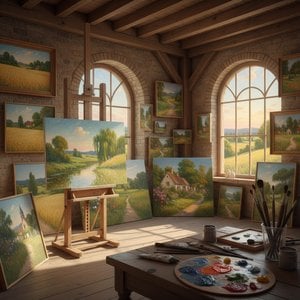
Discover the profound tranquility of rural art through an expert exploration of Impressionist landscapes. From pastoral scenes to textured oil masterpieces, learn how timeless nature-inspired artworks bring enduring elegance and serenity to sophisticated collectors.

Embark on a visual journey through the world's most serene parks. Discover how master artists capture light, texture, and tranquility through exquisite oil paintings and botanical landscapes designed for the discerning art enthusiast.

Explore the profound beauty of village scene art. From Impressionist light to pastoral realism, discover how timeless landscapes capture nostalgia through expert artistry and historical depth. Perfect for collectors seeking evocative, museum-quality landscape inspirations.


 效果预览
效果预览
 分享
分享 分享
分享
 详情
详情

 下载
下载
 相似作品
相似作品 X射线
X射线 幻灯片播放
幻灯片播放 统计数据
统计数据


 展开详情
展开详情









 玻璃选项仅适用于110厘米以下的尺寸。


