
博物馆级艺术微喷或帆布版画,制作高效,并提供多种饰面选择。 ( 订购此收藏品的纯手工复刻画作 切换至数字图像销售渠道)





























您可以从与原作比例一致的预设尺寸中进行选择。

请输入您所需的宽度和高度,以适配您的画框或墙面。由于印刷品只能进行裁剪,无法超出原图尺寸,因此若比例不一致,画面的一部分将会被裁切。在正式印刷之前,我们会为您发送一份数字效果图供您确认。本页面显示的图片并非最终裁剪后的效果——只有效果图才能展示真实的裁剪情况。
Parnasus
复刻品尺寸说明
In the realm of art, few paintings capture the essence of a mythological scene as vividly as Parnasus, created by the renowned French artist Nicolas Poussin in 1626. This large oil on canvas painting is housed at the prestigious Museo del Prado in Spain, a testament to its significance and beauty.
The painting depicts a lively gathering of figures in a forest setting, reminiscent of ancient Greek mythology. The scene is set amidst lush trees and bushes, with at least 14 individuals engaged in various activities such as conversing, eating, or simply enjoying their time together. This social and lively atmosphere is characteristic of Poussin’s style, blending elements of nature and human interaction.
Parnasus showcases Poussin's mastery in creating depth and perspective within the image. The arrangement of figures from the foreground to the background adds a sense of dimensionality, drawing the viewer into the scene. This technique was innovative for its time and reflects Poussin’s influence on the development of European art.
To fully appreciate Parnasus, it is essential to understand the broader context of Poussin's work and the era in which he painted. The 17th century was a time of great artistic innovation, with artists like Poussin contributing significantly to the evolution of painting techniques and styles.
Today, Parnasus remains an important piece in the art world, not only for its historical significance but also for its enduring beauty. The Museo del Prado, where it is housed, is a must-visit destination for art enthusiasts, offering a comprehensive collection of European paintings and sculptures from the 14th to the 20th century.
Parnasus by Nicolas Poussin is a masterpiece that continues to captivate audiences with its vivid depiction of mythological figures in a natural setting. Its artistic significance, historical context, and enduring beauty make it a standout piece in the world of art.
Biography:
Nicolas Poussin (born June 1594 – died 1665) stands as a pivotal figure in French Baroque painting. Though he spent the majority of his career in Rome, his artistic vision remained profoundly connected to French artistic traditions, establishing him as a cornerstone of classical French art.
Early Life and Training:
Poussin’s early life remains somewhat shrouded in mystery. Born in Le Havre, France, details about his initial training are scarce. By 1612, he had begun formal studies in Paris, absorbing influences from various lesser-known artists of the time. This period laid the groundwork for his later artistic development before his pivotal move to Rome in 1624.
Artistic Development and Influences:
Poussin’s aesthetic is celebrated for its coherent composition and emphasis on linearity, a deliberate departure from the more flamboyant styles prevalent at the time. His work reflects
Parnasus and St. Cecilia are available for viewing on WahooArt.com, along with other notable works such as La tentación de Santo Tomás de Aquino by Diego Velázquez.
The Museum Museo Thyssen-Bornemisza (Spain) - A Comprehensive Guide on WahooArt.com.

1594 - 1665 , 法国

Embark on a sophisticated journey through the eternal allure of mythological art. Discover how master painters breathe life into ancient legends, from Greek deities to Baroque masterpieces, and learn to curate these timeless narratives within your own exquisite art collection.
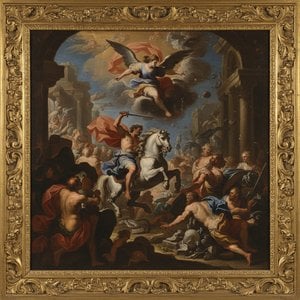
Explore the breathtaking power of Baroque art. Delve into the dramatic interplay of light, shadow, and motion through the works of masters like Caravaggio. Discover how the era's intense emotional realism continues to inspire collectors and connoisseurs of classical grandeur.

Explore the breathtaking drama of the Baroque era. From the mastery of chiaroscuro to epic mythological narratives, discover a definitive guide to art's most powerful period of light, shadow, and emotion for the true classical art enthusiast.

Explore the profound elegance of Baroque Classicism. Discover how masters fused dramatic chiaroscuro with structured order to redefine art history through light, shadow, and emotional grandeur.


 实景预览
实景预览
 发送
发送 分享
分享
 详情
详情 指南
指南

 下载图片
下载图片
 相似作品
相似作品 X射线
X射线 幻灯片播放
幻灯片播放 统计数据
统计数据

 阅读全文
阅读全文









 玻璃选项仅适用于110厘米以下的尺寸。


