
 Oil On CanvasWallArtBaroque Painting
 1648Early Modern
 119.0 x 198.0 cm
由我们的艺术家按需定制,为您提供您所选尺寸及画框的布面手工油画。 ( 切换至版画销售渠道 切换至数字图像销售渠道)





























您可以从与原作比例一致的预设尺寸中进行选择。

您可以输入自定义尺寸,以适配特定的画框或空间。如果所选尺寸与原图比例不符,我们将通过裁剪作品或添加手绘元素来扩展画面。数字样稿将在制作开始前发送给您确认。
请注意,屏幕预览无法准确反映实际的裁剪或扩展效果,只有样稿才能真实呈现最终的构图。
虽然我们提供定制尺寸服务,但为了保留原作比例,建议您从预设列表中选择尺寸。

Landscape with a Man Killed by a Snake
复刻品尺寸说明
In the quiet, sun-dappled groves of Nicolas Poussin’s 1648 masterpiece, Landscape with a Man Killed by a Snake, a profound stillness masks a sudden, violent tragedy. At first glance, the viewer is greeted by a pastoral idyll—a serene woodland scene where the light filters through ancient trees and the gentle movement of a distant boat suggests the rhythmic passage of time. Yet, this tranquility is shattered by a singular, harrowing event: a man lies sprawled upon the earth, his life slipping away following the swift, venomous strike of a serpent. This juxtaposition of natural beauty and sudden mortality creates a tension that is both unsettling and deeply captivating, inviting the observer to look beyond the surface of the landscape into the deeper mysteries of human existence.
Poussin, a titan of the French Baroque, does not merely depict a scene; he orchestrates a philosophical meditation. Through his masterful use of chiaroscuro, the artist manipulates light and shadow to sculpt the atmosphere, casting a dramatic spotlight on the central figure’s vulnerability while allowing the surrounding forest to recede into a mysterious, atmospheric depth. The composition is far from accidental; Poussin employs a rigorous pyramidal structure, a hallmark of his classical training, which provides a sense of architectural stability to an otherwise chaotic moment of death. This geometric precision directs the eye upward, subtly connecting the earthly tragedy of the fallen man to the heavens above, where a lone bird drifts through the sky, indifferent to the drama unfolding below.
To understand this work is to engage with the intellectual currents of the 17th century. Commissioned by Cardinal Francesco Maria Pallotti, the painting serves as a complex allegory steeped in religious and classical symbolism. The serpent, an ancient emblem of both temptation and peril, evokes the biblical narrative of the Fall of Man, suggesting that even within the most beautiful landscapes, the seeds of destruction are ever-present. The scattered figures—a woman with her basket, a young boy, and travelers in the distance—act as witnesses to this fleeting moment, representing the continuity of life amidst the inevitability of death. This interplay between the eternal landscape and the ephemeral human life reflects the profound anxieties of an era shaped by religious reformation and a renewed fascination with classical antiquity.
For the discerning collector or interior designer, this painting offers more than just visual splendor; it provides a focal point of immense intellectual and emotional weight. The muted yet rich palette of earth tones, deep greens, and soft ochres allows the piece to integrate seamlessly into sophisticated environments, whether in a grand library or a contemporary gallery space. A high-quality reproduction of this work brings with it the gravity of Poussin’s vision, offering an opportunity to possess a fragment of art history that speaks to the timeless themes of fate, nature, and the delicate balance between peace and peril.


1594 - 1665 , 法国
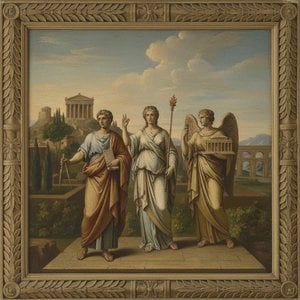
Explore the life & work of Nicolas Poussin, a master of French Classicism. Discover his allegorical paintings, Roman influences, and enduring impact on art history. Expert analysis & insights.

探索浪漫主义风景画的巅峰!本文精选十部经典名作,带您领略莫奈、库尔贝等大师的艺术魅力。感受色彩与光影的诗意,重温自然风光的震撼。WahooArt.com为您提供博物馆级别的艺术复制品和个性化家居装饰方案。尽在WahooArt.com!

深入探索17世纪巴洛克古典主义艺术的戏剧性与秩序之美。卡拉瓦乔、鲁本斯等大师作品解析,揭秘宗教改革下的艺术策略,并了解凡尔赛宫的辉煌历史。WahooArt.com为您提供专业的艺术鉴赏与定制服务。

Master the art of drama with our ultimate guide to Baroque landscapes. Discover the power of chiaroscuro, explore legendary masters, and learn how to curate epic, dark-vibe masterpieces for your collection with expert insights from WahooArt.
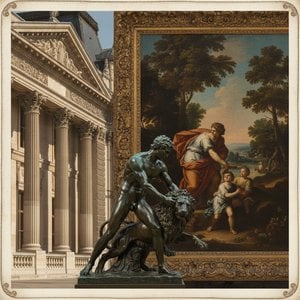
Explore the profound elegance of Baroque Classicism. Discover how 17th-century masters synthesized dramatic emotion with classical order through the lens of the Counter-Reformation and the works of legends like Carlo Maratta and Andrea Sacchi.


 实景预览
实景预览
 发送
发送 分享
分享
 详情
详情 指南
指南

 下载图片
下载图片
 相似作品
相似作品 X射线
X射线 幻灯片播放
幻灯片播放 统计数据
统计数据 阅读全文
阅读全文









 玻璃选项仅适用于110厘米以下的尺寸。


