OilWallArtBaroque Classicism
 1639
1639 95.0 x 121.0 cm
购买高分辨率增强版数字图像,其品质远超在线预览。
每一份文件都由我们的内部专家使用先进工具与专业的后期润色技术精心打造。我们确保每一张图像都具备卓越的清晰度、精准的色彩还原度以及细腻的细节表现。
最终文件将在 72 小时内通过电子邮件交付,并针对专业、编辑及印刷用途进行了优化。其品质与顶级设计工作室、出版社和画廊所信赖的标准完全一致。
下载高分辨率文件,用于个人展示、打印及创意项目。 ( 切换至版画销售渠道 订购此收藏品的纯手工复刻画作)
选择 WahooArt.com,您获得的不仅仅是一张图像——您收到的是经过专业级增强、精雕细琢的数字艺术作品,并享有满意保证。以下是您的订单中自动包含的所有内容:
您的高分辨率数字图像文件将在下单后 72 小时内通过电子邮件发送给您 —— 即可立即使用。
您的艺术品经过专业优化,结合先进的 AI 技术与人工修饰,确保呈现极致的细节、清晰度与色彩准确度。
不小心删除了文件或找不到了?没关系——我们将随时为您免费重发。
即刻拥有您的艺术作品,无需支付任何关税、税费或运费——数字下载始终免税。
我们通过专业工具与色彩管理技术,确保您的数字图像尽可能真实地还原原作色彩。
如果您对所购数字图像不满意,我们将在100天内为您进行修改或提供100%的全额退款——无需任何理由。
不满意?在收到数字文件后的100天内,您可以申请全额退款——无需任何理由。
购买 3 张享 10% 折扣 - 购买 5 张享 15% 折扣 - 购买 10 张以上享 20% 折扣。非常适合创意项目、画廊及机构使用。
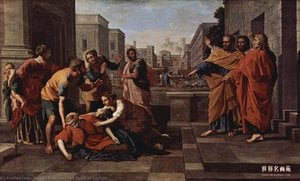
Nicolas Poussin’s “Extreme Unction,” painted in 1639, is not merely a depiction of a religious ritual; it's a profoundly moving meditation on mortality, faith, and the acceptance of life’s inevitable end. Commissioned by Cassiano del Pozzo, an avid collector of antiquities and works of art, this painting forms part of Poussin’s ambitious “Seven Sacraments” series – a project that sought to visually illustrate the core tenets of Roman Catholicism. The work, now residing in the National Gallery in London alongside its companions, offers a rare glimpse into 17th-century European religious practice and the deeply personal experience of death and dying.
Poussin’s masterful command of Classicism is immediately evident. He eschews the dramatic theatricality often associated with Baroque painting for a carefully constructed scene imbued with order, harmony, and an almost unsettling serenity. The composition is meticulously balanced; the figures are arranged in a pyramidal structure that draws the eye towards the central figure receiving the last rites. The use of muted earth tones – ochres, browns, and greys – creates a somber atmosphere, punctuated by subtle highlights that emphasize the textures of the fabrics and the pallor of the dying man’s skin. Poussin's signature technique—a deliberate layering of thin glazes of oil paint—allows for remarkable luminosity and depth, capturing both the physical presence of the individuals and the ethereal quality of the spiritual realm.
“Extreme Unction” vividly portrays the sacrament itself. The scene unfolds within a modest chamber, dominated by two simple benches that suggest a sense of quiet contemplation. A bowl, positioned near the dying man, is a crucial element – it represents the oil used in the ritual, symbolizing healing and purification. The presence of multiple attendants—mourners, priests, and assistants—underscores the communal nature of this sacred act. Notably, Poussin doesn’t depict overt grief or despair; instead, there's an air of acceptance, a quiet dignity that speaks to the spiritual preparation for death. The inclusion of the two benches in the background adds depth to the composition, creating a sense of space and suggesting the continuity between life and eternity.
The identity of the dying man remains deliberately ambiguous, adding to the painting’s universality. He is not a specific historical figure but rather an archetype – a representation of humanity facing its mortality. The priest administering the sacrament is similarly anonymous, further emphasizing the sacred nature of the event itself. Poussin's careful attention to detail—the folds of the robes, the expressions on the faces of the mourners—reveals his deep understanding of human anatomy and psychology. He doesn’t simply record a scene; he conveys an emotional truth about the human condition.
“Extreme Unction” is more than just a religious painting; it's a testament to Poussin’s artistic genius and his ability to infuse classical principles with profound emotional resonance. The work reflects the influence of Renaissance masters, particularly Raphael, whose emphasis on clarity, proportion, and idealized beauty informed Poussin’s own style. However, Poussin transcends mere imitation; he transforms these influences into something uniquely his own—a synthesis of intellectual rigor and spiritual sensitivity.
The painting's enduring appeal lies in its ability to evoke a sense of both melancholy and hope. It acknowledges the inevitability of death but also celebrates the possibility of redemption and eternal life. As part of The Seven Sacraments, “Extreme Unction” serves as a poignant reminder of the importance of faith, compassion, and the acceptance of our shared mortality. Today, its preservation stands as a vital link to the artistic and spiritual landscape of 17th-century Europe, offering viewers an opportunity to contemplate profound questions about life, death, and the mysteries of the human soul.
尼古拉·普桑 的《Extreme Unction》 属于 Baroque Classicism 流派,创作于其作者的 近代早期 时期。
尼古拉·普桑 的《Extreme Unction》创作于1639年,属于Baroque Classicism流派。
建议为 尼古拉·普桑 的《Extreme Unction》 制作 Large 的复制品。尺寸可以在保持比例不变的情况下进行调整。

1594 - 1665 , 法国


 实景预览
实景预览
 发送
发送 分享
分享
 详情
详情 指南
指南

 下载图片
下载图片
 相似作品
相似作品 X射线
X射线 幻灯片播放
幻灯片播放 统计数据
统计数据 阅读全文
阅读全文