
由我们的艺术家按需定制,为您提供您所选尺寸及画框的布面手工油画。 ( 切换至版画销售渠道 切换至数字图像销售渠道)





























从与原作比例一致的预设尺寸中进行选择。

您可以输入自定义尺寸,以适配特定的画框或空间。如果所选尺寸与原图比例不符,我们将通过裁剪作品或添加手绘元素来扩展画面。数字样稿将在制作开始前发送给您确认。
请注意,屏幕预览无法准确反映实际的裁剪或扩展效果,只有样稿才能真实呈现最终的构图。
虽然我们提供定制尺寸服务,但为了保留原作比例,建议您从预设列表中选择尺寸。

White Himalayas
复制品尺寸
Nicholas Roemerich's “White Himalayas,” painted in 1931, is more than just a depiction of majestic mountain peaks; it’s a profound meditation on the relationship between humanity, nature, and the spiritual realm. This stunning work embodies the core tenets of Roerich’s artistic philosophy – a fervent belief that art should serve as a vehicle for exploring universal truths and promoting peace. The painting immediately draws the viewer into a breathtaking vista of snow-capped mountains rendered in evocative blues, suggesting not merely visual beauty but also an underlying spiritual resonance.
Roerich’s style is characterized by a meticulous attention to detail combined with a loose, expressive brushstroke. He employed a glazing technique – applying thin layers of translucent paint over dried underlayers – to build up color intensity and achieve the luminous quality that defines “White Himalayas.” This layering creates an almost ethereal effect, as if the mountains themselves are radiating light. The artist’s use of impasto—thickly applied paint—adds texture and emphasizes the ruggedness of the terrain while simultaneously softening the overall impression with delicate washes.
“White Himalayas” is deeply rooted in Roerich’s esoteric beliefs, influenced by Anthroposophy – a spiritual philosophy developed by Rudolf Steiner. The mountains themselves are imbued with symbolic meaning, representing the connection between Earth and Heaven, the material and the spiritual. The scattered trees aren't merely decorative elements; they symbolize life, growth, and the interconnectedness of all things. Roerich believed that art could serve as a conduit for channeling cosmic energy, and this conviction is palpably present in the painting’s serene atmosphere and its powerful sense of timelessness. He often incorporated mandalas – complex geometric designs representing the universe – into his work, though not explicitly here, the underlying principles are evident.
Painted in 1931, “White Himalayas” reflects a period of significant artistic and intellectual ferment. Roerich was at the forefront of a movement seeking to bridge science, art, and spirituality. His work gained international recognition for its beauty and philosophical depth, influencing artists and thinkers across Europe and beyond. Today, "White Himalayas" stands as a testament to Roerich’s enduring vision – a powerful reminder of the profound connection between humanity and the natural world, and the transformative potential of artistic expression.


1874 - 1947 , 俄罗斯

探索浪漫主义风景画的巅峰!本文精选十部经典名作,带您领略莫奈、库尔贝等大师的艺术魅力。感受色彩与光影的诗意,重温自然风光的震撼。WahooArt.com为您提供博物馆级别的艺术复制品和个性化家居装饰方案。尽在WahooArt.com!

Explore the captivating art of Nicholas Roerich – a visionary painter whose Himalayan landscapes blend spiritual mysticism with cultural preservation. Discover his legacy & symbolism.
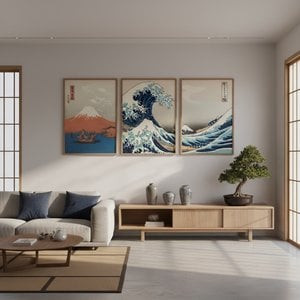
探索葛饰北斋的25幅传世名作!深入了解浮世绘大师的艺术传奇,感受《神奈川冲浪波》等经典作品背后的故事与魅力。WahooArt.com提供博物馆级高质量复制品,为您的家居带来日本风情和艺术灵感。立即探索完整系列!

深入了解Giclée微噴技術:檔案品質、色彩還原的專業解析。探索高檔藝術品複製的細節與保存技巧,為您的收藏提供博物館級別的選擇。專家指導,確保完美呈現原作神韻。
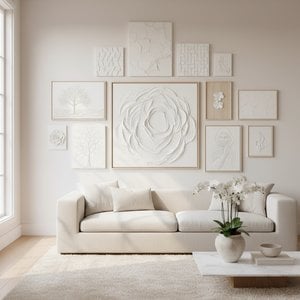
Explore 10 iconic white paintings by Monet, Whistler & Rothko! Discover the stories behind these serene masterpieces and their impact on art history. Find museum-quality reproductions for your home decor at .


 效果预览
效果预览
 分享
分享 分享
分享
 详情
详情 指南
指南

 下载
下载
 相似作品
相似作品 X射线
X射线 幻灯片播放
幻灯片播放 统计数据
统计数据

 展开详情
展开详情









 玻璃选项仅适用于110厘米以下的尺寸。


