Acrylic On CanvasWallArtSymbolism
 192219th Century
 58.0 x 79.0 cm
博物馆级艺术微喷或帆布版画,制作高效,并提供多种饰面选择。 ( 购买手绘画作 切换至数字图像销售渠道)





























从与原作比例一致的预设尺寸中进行选择。

您可以输入自定义尺寸,以适配特定的画框或空间。如果您选择的尺寸与原图比例不符,我们将对作品进行裁剪,或通过镜像填充/纯色填充边缘的方式来扩展图像。在开始制作之前,我们会向您发送一份数字效果图供您确认。
请注意,屏幕上的预览并不能反映实际的裁剪或扩展效果。只有效果图才能准确展示最终的构图。
虽然我们提供定制尺寸,但为了保持原图比例,我们建议您从预设列表中选择尺寸。

Language of forest
复制品尺寸
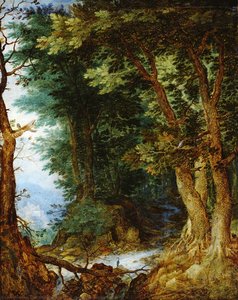
“The Language of the Forest,” painted in 1922 by the visionary Nicholas Roerich, is more than just a depiction of a serene woodland scene; it's an immersive exploration of spiritual and symbolic landscapes. This evocative artwork, measuring 58 x 79 cm, captures a moment of profound tranquility within a forest setting – a carefully constructed tableau designed to resonate with viewers on multiple levels. The painting’s immediate appeal lies in its masterful rendering of light and atmosphere, particularly the dramatic interplay of sunset hues that bathe the trees and mountains in a warm, golden glow. Roerich's meticulous attention to detail, from the textured bark of the foreground trees to the distant peaks, creates a palpable sense of depth and scale, drawing the viewer into the heart of the composition.
Roerich’s work is deeply rooted in his exploration of esoteric philosophies and spiritual traditions, particularly those originating from the East. “The Language of the Forest” exemplifies this influence through its symbolic representation of nature as a conduit to higher consciousness. The forest itself becomes a sacred space, imbued with layers of meaning – a recurring motif throughout Roerich’s oeuvre. The presence of figures within the scene—seated on rocks and standing amongst the trees—suggests human connection with this natural world, inviting contemplation and reverence. The painting's Symbolist style, as confirmed by WikiArt, emphasizes mood and suggestion over realistic representation, prioritizing emotional impact and spiritual significance.
Executed in oil on canvas, Roerich’s technique is characterized by a rich, layered application of paint. He employed a glazing method—building up color through translucent washes—to achieve the luminous effects so characteristic of his work. The brushwork is deliberate yet fluid, conveying both precision and an intuitive understanding of light and shadow. Roerich's meticulous preparation of pigments, often incorporating minerals and precious materials, contributed to the depth and vibrancy of his palette. This dedication to material quality ensured that each reproduction would retain a remarkable fidelity to the original’s textural richness.
Created in 1922, “The Language of the Forest” reflects a pivotal moment in Roerich's artistic development. Following his travels through Central Asia and Tibet, he became increasingly fascinated with ancient cultures and spiritual traditions. This period saw him develop his unique visual language—a synthesis of Western artistic techniques and Eastern philosophical concepts—aimed at promoting intercultural understanding and advocating for peace. The painting can be viewed as a testament to Roerich’s belief in the interconnectedness of all things, reflecting his lifelong commitment to exploring the spiritual dimensions of art and life.

1874 - 1947 , 俄罗斯

Elevate luxury interiors with exquisite mountain oil painting reproductions. From Romanticism to the Hudson River School, WahooArt offers bespoke, hand-painted masterpieces and large-scale murals tailored for hotel designers and elite collectors worldwide.


 效果预览
效果预览
 分享
分享 分享
分享
 详情
详情 指南
指南

 下载
下载
 相似作品
相似作品 X射线
X射线 幻灯片播放
幻灯片播放 统计数据
统计数据 展开详情
展开详情









 玻璃选项仅适用于110厘米以下的尺寸。