
博物馆级艺术微喷或帆布版画,制作高效,并提供多种饰面选择。 ( 购买手绘画作 切换至数字图像销售渠道)





























从与原作比例一致的预设尺寸中进行选择。

您可以输入自定义尺寸,以适配特定的画框或空间。如果您选择的尺寸与原图比例不符,我们将对作品进行裁剪,或通过镜像填充/纯色填充边缘的方式来扩展图像。在开始制作之前,我们会向您发送一份数字效果图供您确认。
请注意,屏幕上的预览并不能反映实际的裁剪或扩展效果。只有效果图才能准确展示最终的构图。
虽然我们提供定制尺寸,但为了保持原图比例,我们建议您从预设列表中选择尺寸。

Forging the sword (Nibelung)
复制品尺寸
In the dim, flickering light of a subterranean sanctuary, a primal drama unfolds upon the canvas of “Forging the sword (Nibelung).” Painted in 1941 by the visionary polymath Nicholas Roerich, this masterpiece transcends the boundaries of mere historical illustration to become a profound meditation on the human spirit. The scene captures a moment of intense physical and spiritual labor: a solitary figure, muscles tensed with purpose, strikes glowing metal upon an anvil within the depths of a cavernous cave. Flanked by two dedicated companions, the blacksmith is not merely shaping steel; he is participating in a ritual of creation. The atmosphere is thick with the scent of smoke and the heat of the forge, inviting the viewer to step into a realm where the boundaries between the physical world and the mythological plane dissolve.
Roerich, a master of the Symbolism movement, eschews the clinical precision of realism in favor of an evocative, emotional truth. Every element within the composition serves a higher narrative purpose. The sword itself—a central icon of Norse mythology—stands as a potent symbol of power, courage, and the righteous defense of one's ideals. As the hammer falls, it represents the arduous process of spiritual development, suggesting that true strength and enlightenment are forged through perseverance and the heat of life's many trials. The presence of birds drifting through the shadows adds a touch of ethereal movement, hinting at the breath of life and the transcendence of the soul even amidst the heavy, earthbound toil of the forge.
Technically, the painting is a triumph of texture and light. Roerich employs a rich, earthy palette dominated by deep ochres, burnt umbers, and fiery reds, creating an environment that feels both ancient and alive. His use of the thick impasto technique lends a sculptural quality to the work; the paint sits heavily upon the canvas, mirroring the ruggedness of the cave walls and the visceral weight of the iron being shaped. This tactile depth is brilliantly contrasted by the strategic application of light. The glow from the central fire acts as a spiritual beacon, sculpting the figures out of the darkness and casting long, dramatic shadows that heighten the sense of mystery and monumental grandeur.
For the discerning collector or interior designer, this piece offers more than just aesthetic beauty; it provides a profound emotional anchor. The painting’s ability to command attention through its somber yet energetic composition makes it an extraordinary centerpiece for spaces designed for contemplation and intellectual depth. Whether placed in a private library, a sophisticated study, or a curated gallery setting, a high-quality reproduction of this work brings with it the weight of history and the enduring legacy of Roerich’s quest for peace and cultural preservation. It is an invitation to reflect on our own journeys of transformation, reminding us that even in the darkest caverns of existence, greatness is being forged.


1874 - 1947 , 俄罗斯

Discover the enduring allure of metal art. Explore how masterfully forged sculptures blend industrial strength with organic elegance to create timeless investment pieces for sophisticated collectors and luxury interiors.

Explore the breathtaking world of the Pre-Raphaelite Brotherhood. Discover how this movement redefined Victorian art through vivid detail, mythological depth, and romanticism. An expert guide for classic art enthusiasts seeking to rediscover these timeless masterpieces.
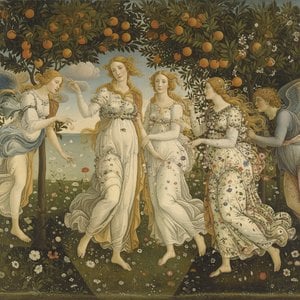
Explore the ethereal beauty of Sandro Botticelli's masterpieces. Delve into the profound symbolism, mythological grace, and technical mastery that define the Italian Renaissance through an expert art-historical lens.

Embark on a sophisticated journey through the eternal allure of mythological art. Discover how master painters breathe life into ancient legends, from Greek deities to Baroque masterpieces, and learn to curate these timeless narratives within your own exquisite art collection.

Explore the profound beauty of mythological figures through the lens of art history. From Renaissance masterpieces to custom oil reproductions, discover how legendary tales of heroism and divinity are immortalized in fine art for discerning collectors.


 效果预览
效果预览
 分享
分享 分享
分享
 详情
详情 指南
指南

 下载
下载
 相似作品
相似作品 X射线
X射线 幻灯片播放
幻灯片播放 统计数据
统计数据

 展开详情
展开详情









 玻璃选项仅适用于110厘米以下的尺寸。


