
博物馆级艺术微喷或帆布版画,制作高效,并提供多种饰面选择。 ( 订购此收藏品的纯手工复刻画作 切换至数字图像销售渠道)





























您可以从与原作比例一致的预设尺寸中进行选择。

请输入您所需的宽度和高度,以适配您的画框或墙面。由于印刷品只能进行裁剪,无法超出原图尺寸,因此若比例不一致,画面的一部分将会被裁切。在正式印刷之前,我们会为您发送一份数字效果图供您确认。本页面显示的图片并非最终裁剪后的效果——只有效果图才能展示真实的裁剪情况。
Brangena
复刻品尺寸说明
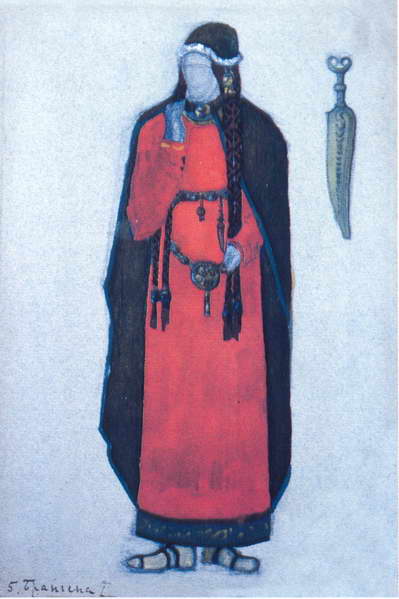
Nicholas Roemerich’s “Brangena,” painted in 1912, is more than just a portrait; it’s an immersive experience, a visual echo of the artist’s lifelong fascination with symbolism, spirituality, and the profound connection between art and human consciousness. This striking image, depicting a woman adorned in crimson and holding a knife, immediately draws the viewer into a realm of enigmatic beauty and quiet contemplation. The painting's vintage aesthetic, firmly rooted in the Art Nouveau movement, lends it an air of timelessness, suggesting that its themes – power, vulnerability, and perhaps even sacrifice – resonate across generations.
The central figure is a woman presented with a striking combination of strength and fragility. Her red attire, a color historically associated with passion, royalty, and danger, immediately commands attention. The presence of a knife in her hands – a potent symbol throughout art history – introduces an element of ambiguity. Is she wielding power? Is she defending herself? Or is the knife a tool for transformation, representing a deliberate act of creation or destruction? The addition of a clock on the right side of the canvas adds another layer of complexity. Clocks are universally recognized as symbols of time, mortality, and the relentless march forward. Its placement suggests a confrontation with these concepts, perhaps reflecting the woman’s own contemplation of her role within them.
Roerich's masterful technique is evident in the meticulous rendering of textures – the flowing fabric of the dress, the polished surface of the knife, and the intricate details of the clock. His brushwork is characterized by a smooth, almost ethereal quality, typical of the Art Nouveau style that was gaining prominence at the time. This movement emphasized organic forms, decorative patterns, and a sense of harmony between nature and human design. Roerich’s use of color is particularly noteworthy; the deep reds and muted tones create a dramatic contrast, intensifying the emotional impact of the scene. The overall composition adheres to Art Nouveau principles, prioritizing flowing lines and an elegant, almost dreamlike quality.
"Brangena" was created during a pivotal period in Roerich's life – a time when he was deeply engaged with esoteric philosophies and the search for universal symbols. His work frequently incorporated elements of ancient mythology, religious iconography, and his own personal spiritual beliefs. The title "Brangena," derived from an ancient Siberian legend, suggests a connection to shamanistic traditions and the exploration of altered states of consciousness. This painting can be interpreted as a visual representation of this journey – a quest for knowledge, a confrontation with mortality, and ultimately, a striving towards enlightenment. Roerich believed that art possessed the power to unlock hidden dimensions of reality, and “Brangena” exemplifies this conviction.
“Brangena” possesses an undeniable emotional resonance. Its enigmatic subject matter invites viewers to engage in a personal dialogue with the painting, prompting questions about identity, purpose, and the nature of existence. This work's enduring appeal lies not only in its aesthetic beauty but also in its profound symbolism and Roerich’s deeply held spiritual beliefs. A hand-painted reproduction offers an exceptional opportunity to bring this captivating artwork into your home or office, adding a touch of mystery, sophistication, and intellectual depth to any space. It is a piece that will undoubtedly spark conversation and inspire contemplation for years to come.


1874 - 1947 , 俄罗斯

Master the nuances of Giclée printing with our expert guide. Discover how pigment-based inks and museum-grade substrates create fade-resistant, high-fidelity art reproductions designed for discerning collectors seeking unparalleled quality and longevity.

WahooArt 为追求卓越生活的您提供全球顶尖的艺术收藏方案。我们专注于博物馆级手绘油画复刻与私人肖像定制,由资深艺术家匠心重塑经典,将像素转化为触手可及的传世珍品。凭借专业的艺术咨询、严苛的品质管控及全球无忧配送,我们助力您在居所中构建永恒的审美传承与家族精神遗产。

 实景预览
实景预览
 发送
发送 分享
分享
 详情
详情 指南
指南

 下载图片
下载图片
 相似作品
相似作品 X射线
X射线 幻灯片播放
幻灯片播放 统计数据
统计数据

 阅读全文
阅读全文









 玻璃选项仅适用于110厘米以下的尺寸。


