
由我们的艺术家按需定制,为您提供您所选尺寸及画框的布面手工油画。 ( 切换至版画销售渠道 切换至数字图像销售渠道)
从与原作比例一致的预设尺寸中进行选择。

您可以输入自定义尺寸,以适配特定的画框或空间。如果所选尺寸与原图比例不符,我们将通过裁剪作品或添加手绘元素来扩展画面。数字样稿将在制作开始前发送给您确认。
请注意,屏幕预览无法准确反映实际的裁剪或扩展效果,只有样稿才能真实呈现最终的构图。
虽然我们提供定制尺寸服务,但为了保留原作比例,建议您从预设列表中选择尺寸。

Globular neck vase
复制品尺寸
In the heart of the arid Peruvian coast, where the sands whisper secrets of a vanished civilization, emerges a masterpiece of ancient ingenuity: the Globular Neck Vase. This exquisite piece of Nazca pottery is not merely a vessel but a profound window into a world where art, ritual, and the cosmos were inextricably linked. Crafted by the skilled hands of the Nazca culture between 100 BC and 800 AD, the vase possesses a captivating presence that transcends time. Its rounded, bulbous form and distinct neck command attention, offering a tactile connection to the ancient artisans who mastered the art of clay and pigment long before the rise of modern empires.
The aesthetic allure of this piece lies in its earthy, grounded palette. Dominated by rich browns, warm tans, and soft beiges, the vase reflects the very landscape from which it was born. Upon its surface, a delicate dance of red, black, and white pigments brings ancient narratives to life. The technique—a sophisticated application of slip and mineral pigments—creates a slightly raised texture that invites the eye to wander across its undulating surface. Each stroke is deliberate, characterized by bold, strong lines that define stylized human figures and intricate geometric patterns, creating a visual rhythm that feels both primitive and remarkably modern.
To gaze upon the painted figures on this vase is to witness a ritual frozen in time. The depictions of individuals engaged in what appears to be a ceremonial dance or social interaction suggest a deep-seated cultural importance placed on community and spiritual expression. In Nazca iconography, such movements often mirrored the celestial cycles or agricultural milestones essential for survival in the desert. The geometric motifs surrounding these figures are far from mere decoration; they likely served as a complex language of cosmology, representing the interconnectedness of the earth, the sky, and the underworld.
For the discerning collector or interior designer, this reproduction offers more than just visual beauty; it provides an emotional anchor. The vase carries an aura of mystery and resilience, embodying the triumph of human creativity over a harsh environment. Its presence in a contemporary space—whether placed as a centerpiece on a minimalist mantle or integrated into a curated gallery collection—adds a layer of historical depth and soulful sophistication. It is a piece that invites conversation, sparking curiosity about the enigmatic Nazca Lines and the profound legacy of the Andean people.

The Nazca culture, flourishing between 100 BC and 800 AD along the arid coast of Peru, remains one of the most enigmatic civilizations of pre-Columbian America. More than just artisans crafting beautiful ceramics and textiles—though they certainly excelled in these fields—the Nazca people possessed a profound understanding of astronomy and mathematics, reflected in their monumental geoglyphs – the Nazca Lines – which continue to fascinate scientists and historians alike. Their legacy speaks volumes about human creativity and adaptation to challenging environments.
Located in the Nazca Desert, a region characterized by extreme aridity and sparse vegetation, the Nazca culture developed in relative isolation from other Andean societies. Evidence suggests that they migrated from highland Peru around 100 BC, bringing with them agricultural knowledge—primarily maize cultivation—that allowed them to sustain a population of approximately 50,000 people. The desert landscape itself profoundly influenced their artistic expression and cosmology; the Nazca Lines are believed to align with celestial events like solstices and equinoxes, hinting at a sophisticated awareness of astronomical cycles.
Nazca ceramics stand out for their exceptional craftsmanship and stylistic diversity. Produced primarily from adobe clay sourced from alluvial deposits along the Rio Grande de Nazca valley, these vessels demonstrate remarkable skill in shaping, firing, and decorating surfaces. The artistry of this era is defined by a vibrant palette and a unique approach to form, where every piece serves as a vessel for both daily utility and sacred ritual.
The technical brilliance of their pottery is evident in several key areas:
Beyond the visible beauty of their art, the Nazca people achieved feats of engineering that allowed life to thrive in one of the world's most inhospitable climates. Their mastery over water is perhaps as significant as their mastery over clay. Through the creation of puquios—sophisticated underground aqueducts—they managed to tap into subterranean aquifers, ensuring a steady water supply for their crops and communities despite the relentless drought of the Peruvian coast.
This profound connection between the earth, the water, and the heavens created a cohesive cultural identity. Whether through the massive geoglyphs etched into the desert floor or the delicate motifs painted onto a ceramic vase, the Nazca culture left an indelible mark on human history. Their work remains a testament to the ability of the human spirit to find beauty, order, and sustenance within the most challenging landscapes.

Peru

Explore 10 iconic paintings dominated by rich clay tones – from Rembrandt's warmth to Van Gogh’s earthy landscapes. Discover art history, techniques & find museum-quality reproductions at . Explore the full collection online!
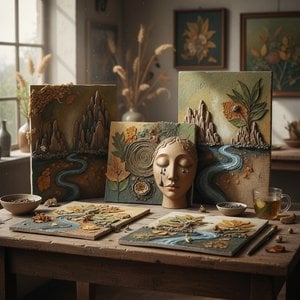
Explore the emotional power of earthy tones in art history! Discover how artists use color to evoke feelings & create grounded spaces. Expert advice on selecting artwork for your home – plus custom reproductions at WahooArt.

Journey through 10 iconic paintings bathed in 'sand' tones – from Van Gogh to Monet. Explore the stories, techniques & warm palettes of these timeless masterpieces. Find museum-quality art reproductions at and bring classic beauty home.

Explore the captivating world of earth tones in art! Discover historical context, emotional resonance & artistic techniques behind these timeless colors. Find inspiration for your home decor and museum-quality reproductions.

Explore 10 iconic paintings with captivating 'mushroom' tones! Discover Van Gogh, Monet & Rembrandt’s masterpieces—earthy palettes, rich history & artistic techniques. Find museum-quality art reproductions and curated decor ideas at


 分享
分享 分享
分享
 详情
详情 指南
指南

 下载
下载
 相似作品
相似作品 幻灯片播放
幻灯片播放 统计数据
统计数据

 展开详情
展开详情






































 玻璃选项仅适用于110厘米以下的尺寸。


