Oil On CanvasWallArtPop Art
 1986Renaissance
 50.0 x 50.0 cm
 波斯尼亚和黑塞哥维那国家美术馆
购买高分辨率增强版数字图像,其品质远超在线预览。
每一份文件都由我们的内部专家使用先进工具与专业的后期润色技术精心打造。我们确保每一张图像都具备卓越的清晰度、精准的色彩还原度以及细腻的细节表现。
最终文件将在 72 小时内通过电子邮件交付,并针对专业、编辑及印刷用途进行了优化。其品质与顶级设计工作室、出版社和画廊所信赖的标准完全一致。
下载高分辨率文件,用于个人展示、打印及创意项目。 ( 切换至版画销售渠道 订购此收藏品的纯手工复刻画作)
选择 WahooArt.com,您获得的不仅仅是一张图像——您收到的是经过专业级增强、精雕细琢的数字艺术作品,并享有满意保证。以下是您的订单中自动包含的所有内容:
您的高分辨率数字图像文件将在下单后 72 小时内通过电子邮件发送给您 —— 即可立即使用。
您的艺术品经过专业优化,结合先进的 AI 技术与人工修饰,确保呈现极致的细节、清晰度与色彩准确度。
不小心删除了文件或找不到了?没关系——我们将随时为您免费重发。
即刻拥有您的艺术作品,无需支付任何关税、税费或运费——数字下载始终免税。
我们通过专业工具与色彩管理技术,确保您的数字图像尽可能真实地还原原作色彩。
如果您对所购数字图像不满意,我们将在100天内为您进行修改或提供100%的全额退款——无需任何理由。
不满意?在收到数字文件后的100天内,您可以申请全额退款——无需任何理由。
购买 3 张享 10% 折扣 - 购买 5 张享 15% 折扣 - 购买 10 张以上享 20% 折扣。非常适合创意项目、画廊及机构使用。
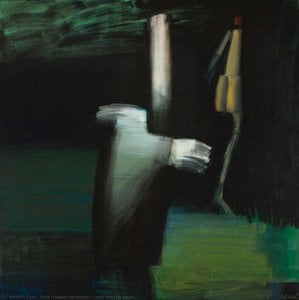
This evocative landscape painting by Narcis Kantardžić, created in 1986, immediately draws the viewer into a scene brimming with quiet contemplation and subtle beauty. The artwork depicts a solitary figure standing on a dramatic cliff edge, gazing out over a vast expanse of water beneath a sky painted with delicate clouds. It’s a composition that speaks to the timeless human desire for connection – with nature, with oneself, and perhaps, with something beyond.
Executed in oil on canvas, ‘Landscape’ showcases Kantardžić's skillful command of texture and light. The brushwork is evident yet controlled, creating a rich surface that captures the nuances of both the natural elements and the human form. The use of impasto – thick application of paint – particularly noticeable in the cliff face, adds depth and physicality to the scene, grounding the viewer in the tangible reality of the landscape. The color palette, dominated by blues and greys with subtle highlights, evokes a sense of atmospheric perspective, enhancing the painting’s three-dimensional quality.
Beyond its immediate visual appeal, ‘Landscape’ is rich in symbolic potential. The boat on the water below represents human endeavor and connection to the world, while the birds soaring overhead symbolize freedom and aspiration. The solitary figure's stance suggests a yearning for understanding or perhaps a search for meaning within the immensity of nature. The cloudy sky adds an element of mystery and uncertainty, mirroring the complexities of the human condition.
Created in 1986, this work reflects a broader trend in landscape painting – a return to representational realism combined with a heightened awareness of atmosphere and emotion. While Kantardžić’s style isn't overtly tied to any specific movement, it shares affinities with the Romantic tradition’s emphasis on sublime landscapes and the individual’s relationship with nature. The piece’s quiet intensity and contemplative mood resonate with a desire for introspection that was increasingly prevalent in art during this period.
Green to Violet Spectrum 色调贯穿了 Narcis Kantardžić 的《Landscape》。
凭借其Calm的意境,建议将“Landscape”装饰于Living Room。
Narcis Kantardžić 的《Landscape》 中的色彩呈现出 Balanced 的强度。

Born in Derventa, Bosnia and Herzegovina, Narcis Kantardžić has cultivated a visual language that bridges the artistic traditions of the former Yugoslavia with the contemporary sensibilities of Slovenia. A graduate of the Academy of Fine Arts in Sarajevo, where he studied under Professor Milorad Čorović, his early career was marked by a profound engagement with the cultural pulse of Sarajevo. In 1982, alongside fellow graduates, he co-founded the influential art collective Zvono, an avant-garde group known for its street exhibitions and experimental spirit that energized the local scene during the 1980s. His journey eventually led him from the turbulent years of the Balkan wars to Celje, Slovenia, a transition that would profoundly shape the thematic depth of his later works.
The essence of Kantardžić’s oeuvre lies in its ability to evoke a sense of metaphysical wonder and quiet contemplation. His paintings often feature distant, romantic landscapes that serve as much more than mere scenery; they are active participants in an emotional narrative. A recurring motif in his work is the tower—ranging from monumental, ancient fortresses to the haunting imagery of burning industrial complexes. These vertical structures, set against expansive skies and vast bodies of water, create a tension between the permanence of architecture and the ephemeral nature of time. In works such as Landscape (1986), the presence of a solitary figure often serves not as a portrait of a person, but as a symbol of profound loneliness and the human desire for connection within an immense, sometimes post-apocalyptic, world.
Throughout his development, Kantardžić has demonstrated a remarkable command over diverse media. While his early years involved experimentation with video, installation, scenography, and performance, his recent focus has returned to the mastery of painting and graphic art. His oil on canvas works are particularly noted for their sophisticated use of light and shadow, blending the precision reminiscent of the Renaissance with the sublime atmosphere of Romanticism. He utilizes techniques such as impasto—the thick, textured application of paint—to grant physical depth to natural elements like cliff faces, grounding his more ethereal subjects in a tangible reality.
The artist's palette often leans toward atmospheric blues and greys, punctuated by subtle highlights that enhance the three-dimensional quality of his compositions. This meticulous approach to color and light creates a sense of scale and grandeur, emphasizing the delicate balance between vulnerability and resilience. His work continues to resonate through its minimalist framing and intricate play of textures, offering a profound reflection on civilization, architecture, and the enduring human condition.
Kantardžić’s influence extends far beyond the borders of Slovenia. He has exhibited his work extensively across the former Yugoslavia and internationally, with notable appearances in art hubs such as London, Budapest, Ravenna, and Trieste. His contributions to the arts have been recognized through numerous Slovenian awards for painting, and he remains an active figure in art education, teaching at a drawing and painting school near his studio in Celje.
His artistic journey is characterized by several key milestones:

1958 -


 实景预览
实景预览
 发送
发送 分享
分享
 详情
详情 指南
指南

 下载图片
下载图片
 相似作品
相似作品 X射线
X射线 幻灯片播放
幻灯片播放 统计数据
统计数据 阅读全文
阅读全文