


x
从与原作比例一致的预设尺寸中进行选择。

您可以输入自定义尺寸,以适配特定的画框或空间。如果您选择的尺寸与原图比例不符,我们将对作品进行裁剪,或通过镜像填充/纯色填充边缘的方式来扩展图像。在开始制作之前,我们会向您发送一份数字效果图供您确认。
请注意,屏幕上的预览并不能反映实际的裁剪或扩展效果。只有效果图才能准确展示最终的构图。
虽然我们提供定制尺寸,但为了保持原图比例,我们建议您从预设列表中选择尺寸。

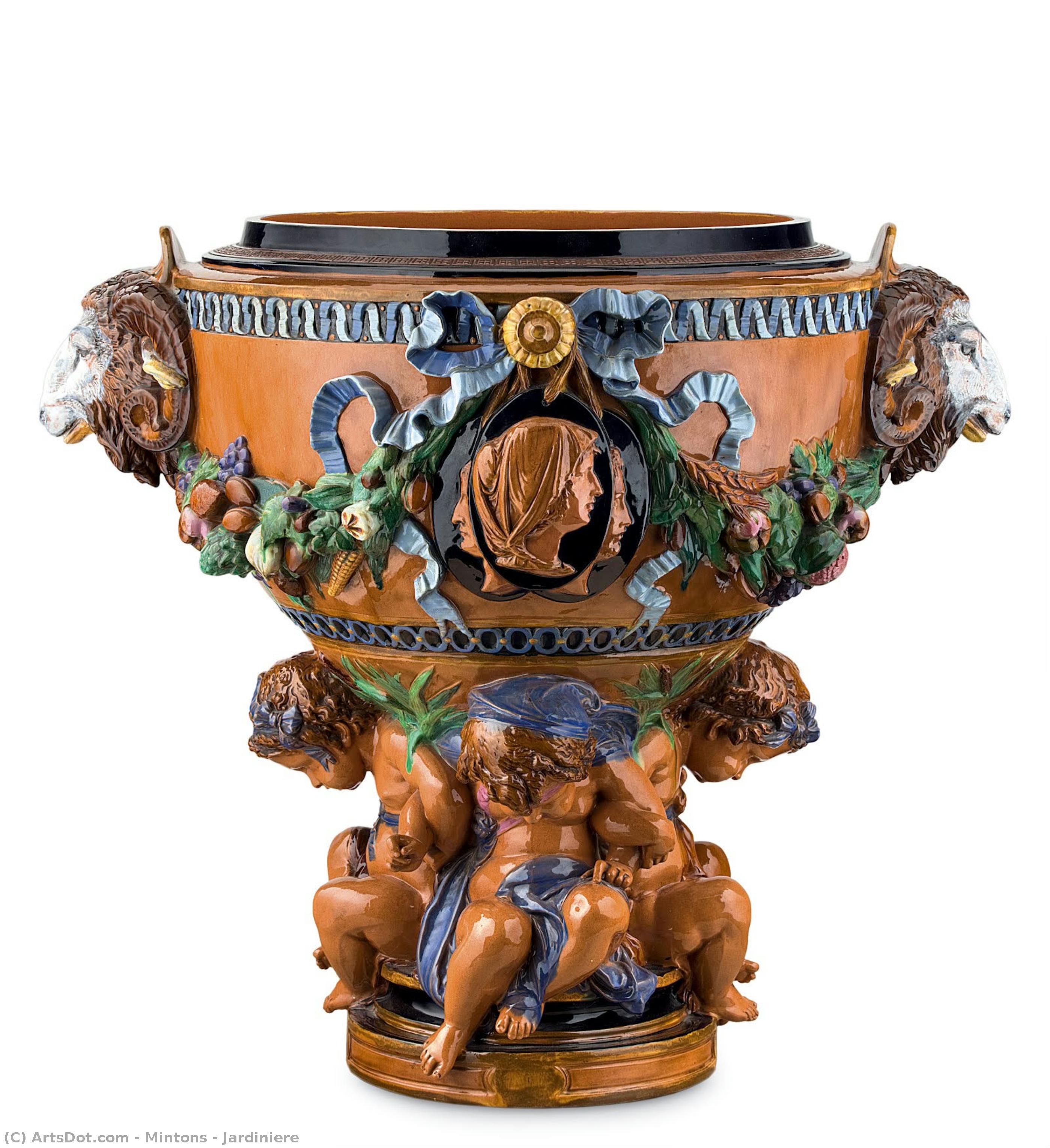
Jardiniere
复制品尺寸


Minton, a name synonymous with exquisite porcelain and architectural grandeur, represents far more than just a pottery factory; it embodies the spirit of innovation, artistry, and industrial ambition that defined 19th-century Britain. Founded in 1793 by Thomas Minton, a skilled engraver and potter, the company’s trajectory from humble earthenware beginnings to becoming “Europe’s leading ceramic factory” is a remarkable tale of entrepreneurial vision and artistic evolution. Situated in Stoke-upon-Trent, the heart of England's pottery industry, Minton quickly established itself as a dominant force, shaping not only domestic tableware but also influencing architectural design and setting trends across Europe.
Thomas Minton’s initial foray into the ceramics market was marked by collaboration. Recognizing the burgeoning demand for fine porcelain – disrupted by trade wars with the East – he forged a partnership with Joseph Poulson in 1796. Poulson, a seasoned potter and engraver, brought invaluable expertise in bone china production, a technique then largely controlled by patents. This alliance proved pivotal; Minton’s existing skills complemented Poulson's, allowing them to rapidly establish a reputation for quality and innovation. The early years were characterized by the production of standard earthenware, utilizing Minton’s engraving prowess for transfer printing – a method that allowed intricate designs to be replicated across vast quantities of pottery. Crucially, this period saw the establishment of the Minton Archive, a remarkably comprehensive record of the company's early operations, offering invaluable insights into its formative years.
The mid-19th century witnessed a dramatic transformation under the leadership of Herbert Minton (1793–1858), Thomas’s son. Herbert, inheriting his father's business acumen and a keen eye for design, spearheaded a period of unprecedented expansion and diversification. He recognized that simply producing beautiful porcelain wasn’t enough; the company needed to offer a broader range of products and cater to evolving tastes. This led to the introduction of new ceramic bodies – including hard porcelain, Parian ware (a translucent white stoneware), majolica (a vibrant glazed earthenware), and Palissy ware (a textured earthenware decorated with burnished designs). Herbert’s commitment extended beyond mere production; he actively sought out talented artists and designers, fostering a creative environment that yielded some of Minton's most iconic pieces. Notably, he cultivated relationships with influential figures like Augustus Pugin, whose architectural designs frequently incorporated Minton tiles, establishing the company as a key supplier for grand public buildings.
Minton’s influence extended far beyond domestic tableware. The firm became renowned for its exquisite architectural ceramics, supplying decorative tiles and mosaics to prestigious projects both in Britain and abroad. A particularly significant commission was the decoration of the United States Capitol building in Washington D.C., where Minton's encaustic tiles – characterized by their rich colors and intricate patterns – adorned floors and walls, contributing significantly to the building’s opulent aesthetic. This international recognition solidified Minton’s position as a leading manufacturer of decorative ceramics on a global scale. The company’s ability to adapt its techniques and materials to meet diverse architectural needs demonstrated its technical prowess and artistic versatility.
Despite Herbert Minton's visionary leadership, the 20th century presented significant challenges for the company. Disruptions caused by two World Wars, coupled with a decline in entrepreneurial spirit among subsequent family members, led to a period of stagnation. In 1968, Minton was acquired by Royal Doulton, marking the end of an independent era. However, the legacy of Minton continues to resonate today. The company’s designs – from the iconic Willow pattern to its elaborate architectural ceramics – remain highly sought after by collectors and continue to inspire contemporary artists and designers. The Minton Archive remains a vital resource for researchers and enthusiasts, offering a fascinating glimpse into the history of British ceramics and the remarkable story of this enduring ceramic colossus.

United Kingdom


第一时间获取最新的艺术新闻、独家优惠及装饰灵感。
向我们介绍您的项目需求,我们的艺术专家将为您提供 3 个个性化的艺术品推荐。
由我们的专家为您精选 3 款心仪之作 —— 完全免费!

 定制手绘复刻品
 分享
分享 分享
分享
 详情
详情

 下载
下载
 相似作品
相似作品 X射线
X射线 幻灯片播放
幻灯片播放


 展开详情
展开详情






































 玻璃选项仅适用于110厘米以下的尺寸。


