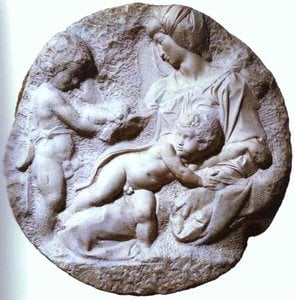
Acrylic On PaperWallArtRenaissance
 1520
1520 26.0 x 19.0 cm
 大英博物馆
大英博物馆由我们的艺术家按需定制,为您提供您所选尺寸及画框的布面手工油画。 ( 切换至版画销售渠道 切换至数字图像销售渠道)





























从与原作比例一致的预设尺寸中进行选择。

您可以输入自定义尺寸,以适配特定的画框或空间。如果所选尺寸与原图比例不符,我们将通过裁剪作品或添加手绘元素来扩展画面。数字样稿将在制作开始前发送给您确认。
请注意,屏幕预览无法准确反映实际的裁剪或扩展效果,只有样稿才能真实呈现最终的构图。
虽然我们提供定制尺寸服务,但为了保留原作比例,建议您从预设列表中选择尺寸。

Studies for a double tomb wall
复制品尺寸
Michelangelo Morlaiter’s “Studies for a Double Tomb Wall” (1520) isn't merely a preparatory sketch; it’s a profound window into the creative process of one of history’s most celebrated artists. This deceptively simple drawing, rendered in delicate pencil on paper, reveals the meticulous thought and architectural vision that underpinned Michelangelo’s monumental commissions for the Medici family. Far from being a preliminary draft, it stands as a testament to his mastery of disegno – the fundamental principles of Italian Renaissance art, emphasizing observation, proportion, and the illusion of depth.
The drawing depicts an elaborate architectural structure, heavily influenced by classical Roman forms yet imbued with a distinctly Florentine sensibility. Columns, pilasters, and decorative elements coalesce into a grand façade, hinting at the imposing tombs it was destined to grace. Notice how Morlaiter doesn’t shy away from depicting the process of design itself – numerous smaller sketches surround the central composition, illustrating alternative arrangements and refinements. These aren't discarded ideas; they represent an iterative exploration, showcasing Michelangelo’s willingness to experiment and refine his vision through a series of evolving studies.
What immediately captivates the viewer is Morlaiter’s masterful use of line. The drawing is dominated by precise, confident pencil strokes, varying in thickness to create a remarkable sense of volume and texture. Hatching – the technique of using closely spaced parallel lines to build up tone – is employed subtly yet effectively, suggesting shadows and highlighting architectural details. The composition itself is carefully balanced, utilizing a vertical format that draws the eye upwards towards the central structure. The overlapping lines and diminishing size of figures in the background create an illusion of depth, pulling the viewer into the world of the design.
This drawing is inextricably linked to the patronage of the Medici family, one of Florence's most powerful and influential dynasties. The commission for a double tomb wall was intended as a monumental tribute to Lorenzo de’Medici and his brother Giuliano, both prominent figures in Florentine politics. The architectural style reflects the prevailing trends of the High Renaissance – a revival of classical forms combined with innovative design elements. The inclusion of figures within the structure suggests a desire for both grandeur and narrative, potentially depicting scenes from their lives or allegorical representations of their virtues.
Furthermore, the drawing’s creation coincided with a period of intense artistic experimentation in Florence. Michelangelo Morlaiter was working alongside giants like Leonardo da Vinci and Raphael, absorbing their ideas and contributing to the vibrant intellectual atmosphere of the city. The tomb itself would have been a significant undertaking, showcasing the wealth and power of the Medici family while serving as a lasting monument to their legacy.
Despite its technical precision, “Studies for a Double Tomb Wall” possesses a profound emotional resonance. It speaks to the human desire for remembrance, the pursuit of beauty, and the enduring power of art to transcend time. The drawing’s quiet dignity and meticulous detail invite contemplation on themes of mortality, legacy, and the relationship between architecture and spirituality. Reproductions of this remarkable work offer an accessible way to experience the genius of Michelangelo Morlaiter and appreciate the intricate beauty of Renaissance design. They serve as a tangible connection to a bygone era, allowing us to glimpse into the creative mind of one of history’s greatest artists.


Discover the transcendent genius of Michelangelo. From the Sistine Chapel to iconic sculptures, explore a curated guide for elite collectors seeking museum-quality, hand-painted Renaissance reproductions and bespoke fine art commissions.


 效果预览
效果预览
 分享
分享 分享
分享
 详情
详情 指南
指南

 下载
下载
 相似作品
相似作品 X射线
X射线 幻灯片播放
幻灯片播放 统计数据
统计数据 展开详情
展开详情









 玻璃选项仅适用于110厘米以下的尺寸。