DrawingWallArt
 1933
1933 38.0 x 29.0 cm
 波斯尼亚和黑塞哥维那国家美术馆
由我们的艺术家按需定制,为您提供您所选尺寸及画框的布面手工油画。 ( 切换至版画销售渠道 切换至数字图像销售渠道)





























从与原作比例一致的预设尺寸中进行选择。

您可以输入自定义尺寸,以适配特定的画框或空间。如果所选尺寸与原图比例不符,我们将通过裁剪作品或添加手绘元素来扩展画面。数字样稿将在制作开始前发送给您确认。
请注意,屏幕预览无法准确反映实际的裁剪或扩展效果,只有样稿才能真实呈现最终的构图。
虽然我们提供定制尺寸服务,但为了保留原作比例,建议您从预设列表中选择尺寸。

Siamese twins
复制品尺寸
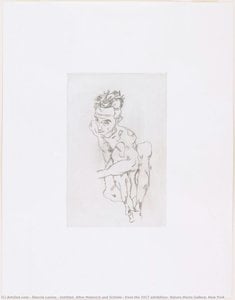
This evocative drawing, titled "Siamese twins," presents a compelling tableau of two figures standing together, their shared existence lending the scene an immediate air of profound connection. The composition centers on two men, depicted with the solemn dignity befitting monks, both clad in simple robes that speak to a life dedicated to contemplation. Their proximity suggests not merely physical closeness, but a deep, interwoven bond—a visual meditation on duality and unity. One figure bears a gentle beard, lending him an air of seasoned wisdom, while the other supports a cake upon his head, an unusual yet captivating detail that draws the eye and invites interpretation.
Executed in 1933 by Mica Todorović, this piece showcases a mastery of drawing that belies its subject matter's potential for melodrama. While the medium is suggested to be a drawing or painting, the execution carries the weight of classical draughtsmanship, echoing the Renaissance influences so central to Todorović’s own artistic journey through Italy. The artist employs subtle shading and careful delineation of form, giving the figures a tangible presence against what appears to be a muted background. Noticeable elements, such as the small bowl near the bottom left corner and the placement of the cakes—one held aloft, another resting nearby—are integrated into the narrative space, grounding the spiritual encounter in material reality.
The very title, "Siamese twins," immediately introduces themes of connection, separation, and shared fate. However, within the context of two robed monks, the symbolism deepens beyond mere physical resemblance. The cake itself—a symbol often associated with celebration or offering—becomes a focal point of mystery. Is it an offering? A burden? Or perhaps a representation of sweetness found even in lives bound together? Todorović invites us to contemplate the nature of interdependence; how does one soul reflect another, and where does the self begin and end when two lives are so inextricably linked?
Mica Todorović, a figure celebrated as a “first lady of Bosnian painting,” brings her unique cultural lens to this work. Her background, steeped in the academic rigor of Zagreb and enriched by Italian Renaissance study, results in art that feels both classically informed and deeply personal. Owning a reproduction of this piece allows one to bring home not just an image from 1933, but a fragment of Bosnian artistic history—a testament to enduring human connection rendered with sophisticated grace.


1900 - 1981 , 波斯尼亚和黑塞哥维那

Discover the sophisticated mastery of graphite drawing. Explore expert techniques for achieving profound depth, intricate texture, and hyper-realistic detail through the alchemy of carbon, curated for the discerning art enthusiast and professional collector.

Explore the profound artistry of graphite drawing. Discover professional techniques for mastering depth, texture, and detail through a lens of art history, from classical sketches to modern masterpieces. Elevate your understanding of the pencil medium with our expert guide.

Elevate your artistic practice with this expert guide to mastering the line. Discover advanced techniques in graphite, charcoal, and contour drawing designed for art students seeking technical precision and expressive depth in their fine art studies.


 效果预览
效果预览
 分享
分享 分享
分享
 详情
详情

 下载
下载
 相似作品
相似作品 X射线
X射线 幻灯片播放
幻灯片播放 统计数据
统计数据 展开详情
展开详情









 玻璃选项仅适用于110厘米以下的尺寸。