
博物馆级艺术微喷或帆布版画,制作高效,并提供多种饰面选择。 ( 订购此收藏品的纯手工复刻画作 切换至数字图像销售渠道)





























您可以从与原作比例一致的预设尺寸中进行选择。

您可以输入自定义尺寸,以适配特定的画框或空间。如果您选择的尺寸与原图比例不符,我们将对作品进行裁剪,或通过镜像填充/纯色填充边缘的方式来扩展图像。在开始制作之前,我们会向您发送一份数字效果图供您确认。
请注意,屏幕上的预览并不能反映实际的裁剪或扩展效果。只有效果图才能准确展示最终的构图。
虽然我们提供定制尺寸,但为了保持原图比例,我们建议您从预设列表中选择尺寸。

Virgin and Child
复刻品尺寸说明
Hans Memling’s “Virgin and Child,” circa 1480, is more than just a depiction of the biblical narrative; it's a profound meditation on motherhood, faith, and the quiet dignity of human connection. This small roundel, radiating an almost palpable serenity, offers a glimpse into the devotional practices of its time – a period where such intimate scenes were often hung above bedsides, serving as a constant blessing and focal point for personal prayer. Memling’s Bruges workshop produced countless variations on this theme, yet his version stands apart through a remarkable sensitivity to detail and an evocative use of landscape, transforming a simple depiction into a richly layered experience.
The composition itself is deceptively straightforward. The Virgin Mary, rendered with exquisite realism – note the delicate modeling of her face, the subtle folds of her gown – cradles the Christ Child in a pose that speaks volumes about maternal tenderness. Her gaze, directed towards an unseen horizon, suggests contemplation and perhaps even a touch of melancholy, hinting at the sacrifice inherent in motherhood. The child, nestled securely against her breast, is not merely passive; his hand reaches out as if exploring the world around him, embodying youthful curiosity and innocence.
It’s crucial to understand that this roundel wasn't conceived in isolation. Memling, like many artists of his era, operated within a workshop system where designs were disseminated through patterns – essentially templates – allowing for consistent stylistic elements while still permitting individual variations. This explains the subtle differences between numerous versions of this motif; each one carries a unique character reflecting the hand of its creator and the specific demands of its patron. The extended wooded landscape, a key element distinguishing Memling’s version, wasn't merely decorative—it served to heighten the sense of depth and create an atmosphere of peaceful seclusion, mirroring the intimate setting of domestic devotion.
The choice of materials further enhances the work’s impact. Carved from a single piece of wood, the frame and painted image are seamlessly integrated, creating a unified whole that speaks to the meticulous craftsmanship characteristic of Memling's workshop. This technique not only demonstrates technical skill but also imbues the artwork with a sense of permanence and solidity – qualities highly valued in devotional objects intended for long-term contemplation.
Beyond its immediate visual appeal, “Virgin and Child” is rich in symbolic meaning. The landscape itself can be interpreted as representing Paradise, a realm of serenity and spiritual fulfillment. The muted colors – predominantly blues, greens, and browns – evoke a sense of humility and reverence. Mary’s posture, with her head slightly bowed, suggests submission to God's will, while the Christ Child’s outstretched hand symbolizes his role as mediator between humanity and the divine. The inclusion of two figures standing behind the scene—likely donors—underscores the importance of piety and faith within the domestic sphere.
Memling’s work reflects a broader trend in Early Netherlandish painting: a profound engagement with religious iconography combined with an acute observation of natural detail. He masterfully balances realism with spiritual depth, creating images that are both visually stunning and emotionally resonant. Reproductions of this piece offer a wonderful opportunity to bring this timeless depiction into your home, allowing you to experience the quiet majesty of Mary and Child in a setting of your own choosing.


德国
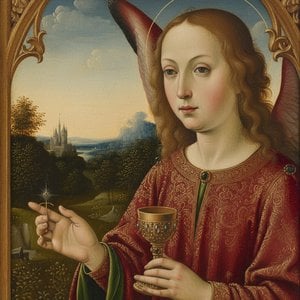
Embark on a journey through the luminous world of Early Netherlandish art. Discover the revolutionary oil techniques, microscopic realism, and sacred symbolism used by masters like Jan van Eyck to redefine Western art history in this expert-led guide.
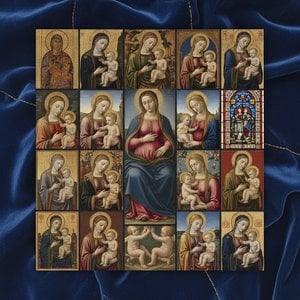
Embark on a sophisticated journey through art history with our curated guide to the most iconic Madonna and Child masterpieces. Discover the profound beauty, theological depth, and enduring legacy of these sacred Renaissance treasures.

Embark on a profound journey through art history with our exploration of the most iconic depictions of the Virgin Mary. Discover the divine grace, symbolism, and masterful techniques found in Renaissance masterpieces and sacred iconography.

Explore the profound beauty of Marian iconography through an art historian's lens. Discover iconic masterpieces by Raphael and Renaissance masters, celebrating the divine grace and timeless elegance of the Virgin Mary in classical fine art.

Delve into the luminous revolution of Early Netherlandish painting. Unveil how Jan van Eyck and Flemish masters pioneered oil techniques to achieve unparalleled depth, sacred symbolism, and breathtaking realism, forever shaping the legacy of Western art history.


 实景预览
实景预览
 发送
发送 分享
分享
 详情
详情 指南
指南

 下载图片
下载图片
 相似作品
相似作品 X射线
X射线 幻灯片播放
幻灯片播放 统计数据
统计数据


 阅读全文
阅读全文









 玻璃选项仅适用于110厘米以下的尺寸。


