


x






























从与原作比例一致的预设尺寸中进行选择。

您可以输入自定义尺寸,以适配特定的画框或空间。如果您选择的尺寸与原图比例不符,我们将对作品进行裁剪,或通过镜像填充/纯色填充边缘的方式来扩展图像。在开始制作之前,我们会向您发送一份数字效果图供您确认。
请注意,屏幕上的预览并不能反映实际的裁剪或扩展效果。只有效果图才能准确展示最终的构图。
虽然我们提供定制尺寸,但为了保持原图比例,我们建议您从预设列表中选择尺寸。

untitled (3346)
复制品尺寸
Hans Memling’s untitled work, cataloged as 3346, is a deeply moving depiction of the Crucifixion, rendered with the meticulous detail and spiritual sensitivity that define his place within the Early Netherlandish painting tradition. The scene unfolds with a quiet solemnity, centering on Christ upon the cross, not in agonizing torment, but with a serene acceptance that invites contemplation rather than despair. Surrounding him is a gathering of figures – mourners, witnesses, perhaps those complicit in his fate – each engaged in their own private grief or observation. Their postures range from kneeling reverence to somber standing, creating a dynamic yet restrained composition that draws the eye through layers of emotion and narrative.
Memling's artistry is immediately apparent in the exquisite rendering of textures and forms. He was a pioneer in the use of oil paint, allowing for an unprecedented level of detail and luminosity. Notice how light gently caresses the figures, modeling their features with subtle gradations and highlighting the rich fabrics of their garments. The artist’s skill extends to the landscape elements as well; a distant boat suggests a world continuing beyond this moment of profound sacrifice, while the presence of a horse adds a touch of earthly realism. This blending of the sacred and the mundane is characteristic of Memling's style – he grounds his religious scenes in tangible reality, making them relatable and emotionally resonant.
To understand this painting fully, we must consider its historical context. Memling flourished in Bruges during a golden age of artistic innovation. Having apprenticed under Rogier van der Weyden, he absorbed the master’s emphasis on emotional intensity and refined detail but developed his own distinctive voice – one marked by a greater clarity of form and a more lyrical quality. Bruges, as a major center of commerce and culture, attracted patrons from across Europe, fostering an environment where artistic experimentation thrived. Memling's work reflects this cosmopolitan atmosphere, blending Flemish realism with Italian Renaissance influences.
Beyond its aesthetic beauty, the painting is rich in symbolism. The angel present in the scene serves as a messenger of hope and divine intervention, offering solace amidst sorrow. The very act of depicting Christ on the cross was intended to evoke empathy and encourage devotion among viewers. The inclusion of various figures – representing different social classes and levels of faith – underscores the universality of Christ’s sacrifice. While specific interpretations may vary, the overall impression is one of profound spiritual contemplation, inviting us to reflect on themes of redemption, suffering, and hope.
Hans Memling’s “untitled (3346)” offers more than just a glimpse into art history; it provides a powerful visual statement that transcends time. A reproduction of this work would lend an air of quiet dignity and spiritual depth to any interior space, serving as a focal point for contemplation and conversation. Its harmonious composition and subtle color palette make it remarkably versatile, complementing both traditional and contemporary décor. For collectors seeking a piece with historical significance and enduring beauty, or for those simply desiring to enrich their surroundings with art that speaks to the soul, this painting is an exceptional choice.


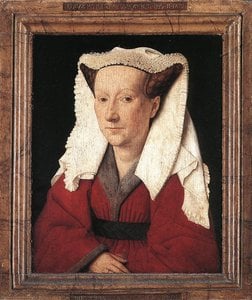


德国
深入探索十五至十六世纪早期尼德兰绘画的艺术魅力!解读油画技法革新、象征主义隐秘语言,赏析扬·凡·艾克等大师杰作。专业分析,助您领略北方文艺复兴的开端与对后世艺术的影响。

Explore the revolutionary art of Jan van Eyck! Discover his groundbreaking oil painting techniques, hidden symbolism, and lasting impact on the Early Netherlandish Renaissance. A deep dive for art enthusiasts.
Journey into the world of Early Netherlandish painting! Explore 10 masterpieces by Jan van Eyck, Rogier van der Weyden & more. Discover stunning detail, symbolism & Renaissance art for your home decor. Find museum-quality reproductions on WahooArt.com
探索文艺复兴曙光!本文精选十幅早期大师杰作,从达芬奇到拉斐尔,揭秘艺术背后的故事与技法。感受色彩的魅力,领略经典永恒的力量。WahooArt.com为您提供博物馆品质的艺术品复制和个性化家居装饰方案。尽在WahooArt.com!
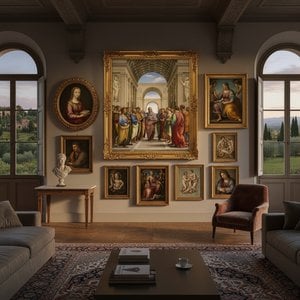
探索拉斐尔大师的25幅杰作!深入了解文艺复兴艺术、意大利绘画和经典油画背后的故事。WahooArt.com提供博物馆品质的拉斐尔作品复制品,为您的家居装饰带来永恒之美。立即在线探索完整系列。


第一时间获取最新的艺术新闻、独家优惠及装饰灵感。
向我们介绍您的项目需求,我们的艺术专家将为您提供 3 个个性化的艺术品推荐。
由我们的专家为您精选 3 款心仪之作 —— 完全免费!

 定制手绘复刻品
 分享
分享 分享
分享
 详情
详情

 下载
下载
 相似作品
相似作品 X射线检测
X射线检测 幻灯片播放
幻灯片播放

 展开详情
展开详情









 玻璃选项仅适用于110厘米以下的尺寸。


