由我们的艺术家按需定制,为您提供您所选尺寸及画框的布面手工油画。 ( 切换至版画销售渠道 切换至数字图像销售渠道)





























从与原作比例一致的预设尺寸中进行选择。

您可以输入自定义尺寸,以适配特定的画框或空间。如果所选尺寸与原图比例不符,我们将通过裁剪作品或添加手绘元素来扩展画面。数字样稿将在制作开始前发送给您确认。
请注意,屏幕预览无法准确反映实际的裁剪或扩展效果,只有样稿才能真实呈现最终的构图。
虽然我们提供定制尺寸服务,但为了保留原作比例,建议您从预设列表中选择尺寸。

Last Judgment Triptych (detail) (23)
复制品尺寸
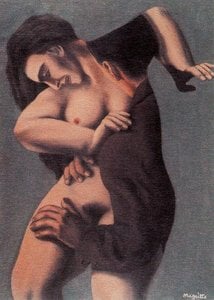
This arresting detail from Hans Memling's *Last Judgment Triptych*, currently housed in the Muzeum Narodowe in Gdansk, Poland, offers a visceral glimpse into the profound emotional and spiritual anxieties that gripped Europe during the late 15th century. The scene depicts a woman consumed by distress, her hands pressed to her ears as if attempting to block out an unbearable sound – perhaps the echoes of divine judgment or the torment of sin. Her naked vulnerability, lying supine on a bed, amplifies this sense of helplessness and profound suffering, immediately drawing the viewer into her private agony.
Hans Memling (c. 1430 – August 11, 1494) stands as a cornerstone of Early Netherlandish painting, a movement defined by its meticulous realism and deeply considered symbolism. Born in Seligenstadt, Germany, Memling’s artistic journey was profoundly shaped by his apprenticeship under Rogier van der Weyden, whose mastery of oil paint and sculptural modeling instilled in Memling an unparalleled attention to detail. This influence is immediately apparent in the rendering of the woman's form – a testament to Memling's skill in capturing both physical and emotional nuance. His work was highly sought after by wealthy patrons, including the Burgundian dukes, securing his position as one of Bruges’ most prominent artists.
Within the context of the *Last Judgment Triptych*, this detail resonates with broader theological themes. The woman's pose and expression evoke the universal human experience of suffering – a central tenet of Christian belief. Her nakedness symbolizes vulnerability before God, while her gesture suggests an attempt to shield herself from divine wrath. The bed itself can be interpreted as a representation of death or a state of spiritual crisis. Memling’s ability to translate complex theological ideas into emotionally resonant imagery is a hallmark of his artistic genius.
Memling's technique, characterized by smooth glazing and subtle modeling, creates an almost ethereal quality in this detail. The oil paint allows for incredible depth and luminosity, particularly evident in the rendering of skin tones and drapery. The meticulous attention to texture – from the softness of her flesh to the folds of her garments – contributes significantly to the scene’s emotional impact. This work exemplifies Memling's lasting legacy as a master of detail and a pivotal figure in the development of Northern Renaissance art, influencing generations of artists with his profound understanding of human emotion and spiritual contemplation.


德国

Master the nuances of Giclée printing with our expert guide. Discover how pigment-based inks and museum-grade substrates create fade-resistant, high-fidelity art reproductions designed for discerning collectors seeking unparalleled quality and longevity.

Unlock your creative potential with WahooArt. Learn how to scale your art business through our automated print and premium oil reproduction services, transforming your original works into a global, passive income stream without compromising academic excellence.

Discover the distinction between WahooArt's hand-painted oil masterpieces and archival Giclée prints. An expert guide for elite collectors evaluating texture, longevity, and bespoke customization for their private art collections.
Discover the distinction between WahooArt's hand-painted oil reproductions and archival Giclée prints. An expert guide for elite collectors seeking texture, depth, and museum-quality excellence for their private collections.


 效果预览
效果预览
 分享
分享 分享
分享
 详情
详情 指南
指南

 下载
下载
 相似作品
相似作品 X射线
X射线 幻灯片播放
幻灯片播放 统计数据
统计数据


 展开详情
展开详情









 玻璃选项仅适用于110厘米以下的尺寸。