
博物馆级艺术微喷或帆布版画,制作高效,并提供多种饰面选择。 ( 购买手绘画作 切换至数字图像销售渠道)





























从与原作比例一致的预设尺寸中进行选择。

您可以输入自定义尺寸,以适配特定的画框或空间。如果您选择的尺寸与原图比例不符,我们将对作品进行裁剪,或通过镜像填充/纯色填充边缘的方式来扩展图像。在开始制作之前,我们会向您发送一份数字效果图供您确认。
请注意,屏幕上的预览并不能反映实际的裁剪或扩展效果。只有效果图才能准确展示最终的构图。
虽然我们提供定制尺寸,但为了保持原图比例,我们建议您从预设列表中选择尺寸。

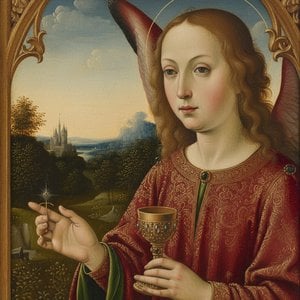
Last Judgment Triptych (detail) (15)
复制品尺寸
The "Last Judgment Triptych" by Hans Memling, completed in 1467-71, stands as a monumental achievement of Early Netherlandish painting – a testament to the era’s profound spiritual concerns and unparalleled technical skill. This detailed depiction of the pivotal biblical event is more than just a religious scene; it's a meticulously crafted tableau that invites contemplation on mortality, judgment, and the promise of salvation. The triptych format itself, a common practice in medieval art, dramatically enhances the impact, allowing for a gradual unfolding of the narrative and intensifying the viewer’s engagement.
Painted during Memling's most prolific period in Bruges, a thriving center of artistic patronage and trade, the work reflects the city’s wealth and influence. Memling’s workshop was renowned for its precision and attention to detail, hallmarks that are immediately apparent in the remarkably lifelike figures depicted within. The use of oil paint, a relatively new medium at the time, allowed Memling to achieve an unprecedented level of realism – from the delicate folds of fabric to the subtle expressions on the faces of the mourners and damned.
The painting’s technical brilliance lies in Memling's masterful manipulation of oil paint. He employed a layering technique, known as glazing, building up translucent layers of color to create depth, luminosity, and an almost ethereal quality. The use of gold leaf – particularly prominent in the depiction of halos and architectural elements – further enhances this effect, imbuing the scene with a sense of divine splendor. The wood panel support, meticulously prepared and treated, provided the ideal surface for these delicate techniques. Note the careful attention to texture; the rough linen garments contrast beautifully with the smooth skin tones, adding to the overall realism.
The composition of the "Last Judgment" is laden with symbolic meaning. The central figure, believed to be Jesus Christ, dominates the scene, presiding over the judgment of humanity. Surrounding him are a multitude of souls – some ascending to heaven, others descending into hell – each representing a different fate. The inclusion of biblical figures like St. John the Baptist and Mary Magdalene underscores the narrative’s theological significance. The presence of individuals engaged in various activities—reading, praying, lamenting—reflects the diverse experiences of human life before divine judgment. The books held by some figures are likely symbolic representations of the Bible or other religious texts, emphasizing the importance of faith and scripture.
The triptych’s emotional impact is profound, evoking a sense of awe, fear, and ultimately, hope. Memling's ability to capture human emotion – grief, despair, reverence – elevates this work beyond a mere depiction of a biblical event; it becomes a deeply moving meditation on the human condition. Completed during a period of intense religious fervor in Europe, the "Last Judgment" reflects the widespread belief in the imminent return of Christ and the importance of preparing for final judgment. It’s a powerful reminder of our mortality and the eternal consequences of our actions.


德国

Explore the profound artistry of The Last Supper through an art historian's lens. From Leonardo da Vinci’s genius to diverse Renaissance interpretations, discover the symbolism and technique behind history's most iconic sacred depictions.

Delve into the luminous revolution of Early Netherlandish painting. Unveil how Jan van Eyck and Flemish masters pioneered oil techniques to achieve unparalleled depth, sacred symbolism, and breathtaking realism, forever shaping the legacy of Western art history.
Embark on a journey through the luminous world of Early Netherlandish art. Discover the revolutionary oil techniques, microscopic realism, and sacred symbolism used by masters like Jan van Eyck to redefine Western art history in this expert-led guide.


 效果预览
效果预览
 分享
分享 分享
分享
 详情
详情 指南
指南

 下载
下载
 相似作品
相似作品 X射线
X射线 幻灯片播放
幻灯片播放 统计数据
统计数据


 展开详情
展开详情









 玻璃选项仅适用于110厘米以下的尺寸。


