































从与原作比例一致的预设尺寸中进行选择。

您可以输入自定义尺寸,以适配特定的画框或空间。如果您选择的尺寸与原图比例不符,我们将对作品进行裁剪,或通过镜像填充/纯色填充边缘的方式来扩展图像。在开始制作之前,我们会向您发送一份数字效果图供您确认。
请注意,屏幕上的预览并不能反映实际的裁剪或扩展效果。只有效果图才能准确展示最终的构图。
虽然我们提供定制尺寸,但为了保持原图比例,我们建议您从预设列表中选择尺寸。

Last Judgment Triptych (detail) (13)
复制品尺寸
In the heart of the Northern Renaissance, few works capture the terrifying grandeur of the divine as poignantly as Hans Memling’s Last Judgment Triptych. This masterpiece, completed around 1467, serves as a breathtaking window into the Early Netherlandish tradition, where the boundaries between the earthly and the eternal become perilously thin. The detail presented in this specific panel—a fragment of a much larger, monumental triptych—invites the viewer into a visceral landscape of spiritual reckoning. Here, Memling does not merely depict a theological event; he orchestrates a profound emotional experience, blending the meticulous realism of the Flemish masters with an unsettling, dramatic intensity that continues to haunt and inspire the modern eye.
The scene is a masterclass in narrative tension, focusing on the harrowing descent into the infernal realms. As one gazes upon the composition, the eyes are immediately drawn to the chaotic struggle between the damned and the demonic forces. A central, terrifying figure—a demon adorned with horns and wielding a pitchfork—emerges from the shadows to seize a soul, dragging them toward the incandescent glow of the fiery pits. The movement within the frame is relentless; figures are caught in various states of agony, some sprawling upon the ground while others are suspended in the grip of supernatural torment. This sense of kinetic despair is balanced by Memling’s incredible ability to render texture, from the flickering, translucent quality of the flames to the heavy, sculptural weight of the tormented bodies.
What elevates this work from a mere religious illustration to a pinnacle of technical achievement is Memling’s sophisticated use of oil paint. Moving away from the flatter, more opaque traditions of tempera, Memling utilized the transformative power of thin, translucent glazes layered over meticulous underpaintings. This technique allows light to penetrate the surface of the paint and reflect back, creating an inner luminosity that makes the hellfire appear to pulse with actual heat. For the collector or the interior designer, this quality of light is what makes a reproduction of such a piece so captivating; it possesses a depth and tonal subtlety that can breathe life into any space, offering a focal point that changes character as the ambient light in a room shifts.
Every brushstroke serves the dual purpose of realism and symbolism. The artist’s unwavering commitment to detail—the way shadows cling to the folds of drapery or the precise rendering of skin under duress—anchors the supernatural subject matter in a recognizable, physical reality. This hyper-realism makes the spiritual stakes feel much more intimate and immediate. When viewing this piece, one is not just observing a distant myth, but witnessing a tangible, visceral struggle that resonates with the universal human fears of justice, consequence, and the unknown.
To possess a reproduction of Memling’s work is to bring a piece of Bruges' golden age into the contemporary home. During the 15th century, such works were symbols of profound devotion and immense wealth, commissioned by figures like Isabella van Artevelde to decorate sacred spaces. Today, this triptych detail offers a unique opportunity for those seeking to curate an environment of intellectual depth and dramatic flair. It is a piece that demands conversation, serving as both a historical artifact and a powerful aesthetic statement.
Whether placed in a quiet study or as a bold centerpiece in a grand hall, the Last Judgment Triptych detail provides a sense of gravity and timelessness. It appeals to the connoisseur who appreciates the technical rigors of the Old Masters and the designer who understands that true luxury lies in art that possesses soul, movement, and an enduring capacity to move the human spirit.


德国
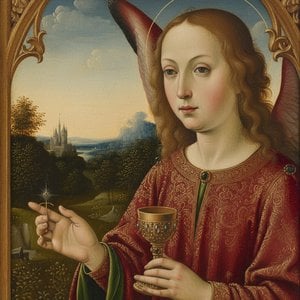
Embark on a journey through the luminous world of Early Netherlandish art. Discover the revolutionary oil techniques, microscopic realism, and sacred symbolism used by masters like Jan van Eyck to redefine Western art history in this expert-led guide.

Delve into the luminous revolution of Early Netherlandish painting. Unveil how Jan van Eyck and Flemish masters pioneered oil techniques to achieve unparalleled depth, sacred symbolism, and breathtaking realism, forever shaping the legacy of Western art history.

Explore the exquisite precision of Flemish painting. From Jan van Eyck to Robert Campin, discover the revolutionary oil techniques and rich symbolism that defined the Northern Renaissance and continue to inspire fine art collectors today.

Embark on a journey through the exquisite precision of Flemish Art. Discover the pioneering oil techniques, profound symbolism, and luminous realism that define the Northern Renaissance masters in this expert guide for art enthusiasts.

Explore the dramatic brilliance of the Flemish Baroque movement. Discover how masters like Peter Paul Rubens utilized chiaroscuro and dynamic composition to redefine art history through light, shadow, and unparalleled emotion.


 效果预览
效果预览
 购买手绘画作
 分享
分享 分享
分享
 详情
详情

 下载
下载
 相似作品
相似作品 X射线
X射线 幻灯片播放
幻灯片播放


 展开详情
展开详情









 玻璃选项仅适用于110厘米以下的尺寸。


![Scrovegni - Last Judgment (detail) [04] — 乔托, Proto-renaissance](/media/artworks/images-thumb/2c/cc/2cccbf5d66de604df5c3cc5658637344.jpg)


