

博物馆级艺术微喷或帆布版画,制作高效,并提供多种饰面选择。 ( 订购纯手工绘制画作 切换至数字图像销售渠道)





























您可以从与原作比例一致的预设尺寸中进行选择。

请输入您所需的宽度和高度,以适配您的画框或墙面。由于印刷品只能进行裁剪,无法超出原图尺寸,因此若比例不一致,画面的一部分将会被裁切。在正式印刷之前,我们会为您发送一份数字效果图供您确认。本页面显示的图片并非最终裁剪后的效果——只有效果图才能展示真实的裁剪情况。
Last Judgment Triptych (central)
复刻品尺寸
In the quiet corridors of the National Museum in Gdańsk, there exists a window into the divine, a breathtaking spectacle known as Hans Memling’s Last Judgment Triptych. Created between 1467 and 1471, this monumental work is far more than a mere religious relic; it is a symphonic achievement of Early Netherlandish painting that captures the very essence of human anxiety and spiritual hope. As one gazes upon the central panel, the viewer is immediately swept into a cosmic drama where the boundaries between the earthly and the eternal dissolve. The composition is anchored by the majestic presence of Jesus Christ, presiding over the apocalypse with a gravity that commands both awe and introspection. This is not merely a depiction of an event, but an immersive experience designed to stir the soul, making it an incomparable centerpiece for any collection dedicated to the profound depths of classical art.
The technical brilliance of Memling is nothing short of miraculous, showcasing a mastery of the oil medium that was revolutionary for the fifteenth century. Unlike the flatter, more opaque textures of tempera, Memling utilized the translucent properties of oil paint to achieve a luminous, sculptural quality. Each layer of pigment serves to build depth, allowing light to seemingly emanate from within the figures themselves. The drapery of Christ’s robes and the delicate features of the surrounding saints are rendered with such meticulous precision that they possess a tactile, three-dimensional presence. For the discerning collector or interior designer, this level of detail offers a rich visual texture that breathes life into a room, providing a focal point that rewards prolonged contemplation and reveals new nuances with every glance.
Beyond its physical beauty, the triptych serves as a complex theological map, woven with the intricate symbolism characteristic of the Burgundian Netherlands. The central panel acts as the fulcrum of existence, where St. Michael the Archangel performs the solemn task of weighing souls. This act of divine measurement introduces a palpable tension to the work; on one side, the promise of salvation beckons, while on the other, the terrifying descent into the abyss looms. The presence of figures like Tommaso Portinari, a prominent banker, embedded within the sacred narrative, bridges the gap between the contemporary world of the artist and the eternal realm of the divine. This fusion of the personal and the universal creates an emotional resonance that transcends centuries, inviting viewers to reflect on their own place within the grand tapestry of time.
The triptych’s structure—comprising the central scene of judgment, the left wing depicting the ascent to Heaven, and the right wing portraying the descent into Hell—offers a complete narrative arc of the human condition. The movement from the serene, light-filled heavens to the chaotic, shadowed depths of the underworld creates a dramatic chiaroscuro effect that is both visually arresting and emotionally taxing. For those seeking to incorporate art into a sophisticated living space, a high-quality reproduction of this work brings with it an atmosphere of profound dignity and intellectual depth. It is a piece that does not merely decorate a wall but transforms an environment, turning a room into a sanctuary of historical significance and spiritual beauty.
关于 汉斯·梅姆林 的《Last Judgment Triptych (central)》,记录了其规格 (Portrait) 与建议摆放空间 (Living Room) 这两项陈列信息。
汉斯·梅姆林 于 1467 年创作了《Last Judgment Triptych (central)》。
"Last Judgment Triptych (central)" 的指南请参阅作品的 指南 页面 —— 这是一份可打印的信息单,包含了该作品的说明、署名以及详细信息表(艺术家、日期、媒介、原尺寸、馆藏)。


德国
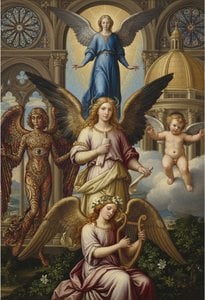
Explore the profound beauty of angelic figures in art history. From Renaissance masterpieces to celestial symbolism, our expert guide offers a sophisticated journey through the divine imagery of the Old Masters for discerning collectors and art enthusiasts.

Explore the profound artistry of The Last Supper through an art historian's lens. From Leonardo da Vinci’s genius to diverse Renaissance interpretations, discover the symbolism and technique behind history's most iconic sacred depictions.
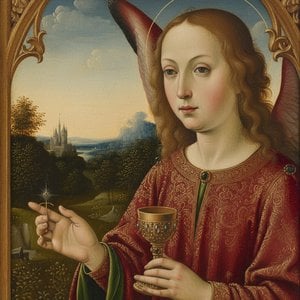
Embark on a journey through the luminous world of Early Netherlandish art. Discover the revolutionary oil techniques, microscopic realism, and sacred symbolism used by masters like Jan van Eyck to redefine Western art history in this expert-led guide.

Delve into the luminous revolution of Early Netherlandish painting. Unveil how Jan van Eyck and Flemish masters pioneered oil techniques to achieve unparalleled depth, sacred symbolism, and breathtaking realism, forever shaping the legacy of Western art history.
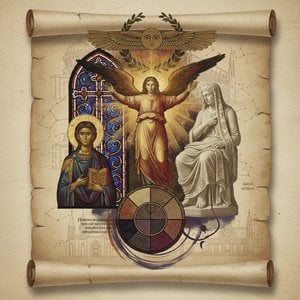
Explore the profound impact of spiritual themes in fine art. From Renaissance iconography to Baroque drama, discover how sacred symbolism and divine visions have shaped art history through a scholarly and reflective lens.

 实景预览
实景预览
 分享
分享 分享
分享
 详情
详情 指南
指南

 下载作品
下载作品
 相似作品
相似作品 X射线
X射线 幻灯片播放
幻灯片播放 问答
问答
 统计数据
统计数据


 展开全文
展开全文









 玻璃选项仅适用于110厘米以下的尺寸。


