
由我们的艺术家按需定制,为您提供您所选尺寸及画框的布面手工油画。 ( 切换至版画销售渠道 切换至数字图像销售渠道)





























从与原作比例一致的预设尺寸中进行选择。

您可以输入自定义尺寸,以适配特定的画框或空间。如果所选尺寸与原图比例不符,我们将通过裁剪作品或添加手绘元素来扩展画面。数字样稿将在制作开始前发送给您确认。
请注意,屏幕预览无法准确反映实际的裁剪或扩展效果,只有样稿才能真实呈现最终的构图。
虽然我们提供定制尺寸服务,但为了保留原作比例,建议您从预设列表中选择尺寸。

Last judgment - last judgment triptych (detail)3
复制品尺寸
The Last judgment - last judgment triptych (detail)3 is a captivating oil painting created by Hans Memling, a renowned German-born Early Netherlandish painter. This masterpiece is a prime example of the Northern Renaissance style, showcasing the artist’s skill and dedication to creating visually stunning pieces.
Born around 1430 in Seligenstadt, near Frankfurt, Hans Memling honed his artistic talents under the tutelage of Rogier van der Weyden, establishing himself as a master painter in Brussels by 1465. He secured citizenship in Bruges and became one of the foremost artists of his time, attracting patronage from influential figures like Angelo Tani and commissioning monumental works that reflected the spiritual fervor of the era.
Hans Memling’s artistic journey began with an apprenticeship in Mainz or Cologne, where he absorbed the stylistic influences of Gothic art before relocating to Bruges and immersing himself in the innovative spirit of Van der Weyden’s workshop. This formative experience instilled a meticulous attention to detail—a hallmark that would characterize his subsequent creations.
His oeuvre is marked by an extraordinary blend of realism and symbolic representation, particularly evident in his depictions of biblical narratives and portraits of nobility. Memling's canvases are imbued with profound theological contemplation, reflecting the humanist ideals prevalent during the Renaissance while simultaneously honoring medieval artistic traditions. Notably, he collaborated extensively with wealthy patrons—including Cardinal Grimani and Cardinal Bembo—producing lavish altarpieces that served as expressions of piety and prestige.
The Last judgment - last judgment triptych (detail)3 exemplifies Memling’s mastery of technique and compositional complexity. Executed in oil on wood—a medium favored by Northern Renaissance painters—the painting utilizes glazing techniques to achieve luminous colors and subtle tonal variations.
The central panel portrays Jesus Christ seated upon a globe, surrounded by angels and saints, embodying divine authority and judgment. Below him lies the depiction of Hell—a terrifying panorama populated by tormented souls consumed by fire—serving as a stark reminder of mortality and divine retribution. The meticulous rendering of drapery folds, facial expressions, and architectural elements underscores Memling’s commitment to realism.
A prominent clock positioned near the upper left corner adds an element of temporal awareness to the scene, emphasizing the inevitability of judgment and highlighting the artist's understanding of perspective—a revolutionary innovation that transformed artistic representation during this period. The painting’s overall impact is one of solemn grandeur, inviting contemplation on themes of faith, morality, and the afterlife.
The Last judgment - last judgment triptych (detail)3 stands as a testament to Hans Memling’s artistic genius—a masterpiece of Northern Renaissance art that continues to inspire awe and admiration centuries later. For more information on https://WahooArt.com/@/Hans-Memling and his works, visit https://WahooArt.com.


德国

Discover the profound allure of oil on canvas. Explore the mastery of impasto textures, the science of pigment longevity, and expert guides to selecting museum-quality reproductions that elevate your collection with timeless elegance and tactile depth.

Unveil the intricate mastery of Northern Renaissance Art. Explore the luminous oil techniques, hidden symbolism, and breathtaking realism of Flemish masters through an expert lens of art history and technical precision.

Delve into the luminous revolution of Early Netherlandish painting. Unveil how Jan van Eyck and Flemish masters pioneered oil techniques to achieve unparalleled depth, sacred symbolism, and breathtaking realism, forever shaping the legacy of Western art history.
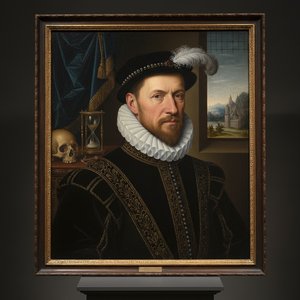
Explore the breathtaking precision of Hans Holbein the Younger. From Tudor royal portraits to intricate Northern Renaissance details, discover the mastery behind his legendary works and learn how to bring this historical grandeur into your collection with museum-quality reproductions.


 效果预览
效果预览
 分享
分享 分享
分享
 详情
详情

 下载
下载
 相似作品
相似作品 X射线
X射线 幻灯片播放
幻灯片播放 统计数据
统计数据

 展开详情
展开详情









 玻璃选项仅适用于110厘米以下的尺寸。


