
 Oil On CanvasWallArtCrucifixion
 Renaissance
 56.0 x 63.0 cm
 匈牙利美术博物馆
博物馆级艺术微喷或帆布版画,制作高效,并提供多种饰面选择。 ( 订购此收藏品的纯手工复刻画作 切换至数字图像销售渠道)





























您可以从与原作比例一致的预设尺寸中进行选择。

您可以输入自定义尺寸,以适配特定的画框或空间。如果您选择的尺寸与原图比例不符,我们将对作品进行裁剪,或通过镜像填充/纯色填充边缘的方式来扩展图像。在开始制作之前,我们会向您发送一份数字效果图供您确认。
请注意,屏幕上的预览并不能反映实际的裁剪或扩展效果。只有效果图才能准确展示最终的构图。
虽然我们提供定制尺寸,但为了保持原图比例,我们建议您从预设列表中选择尺寸。

Crucifixion (detail)
复刻品尺寸说明
Hans Memling's Crucifixion (detail) is not merely a fragment of a larger composition; it is a window into the devotional heart of the Early Netherlandish Renaissance. Measuring 56 x 63 cm, this exquisite panel encapsulates a profound moment in Christian narrative—the sacrifice of Christ—with a quiet intensity that draws the viewer into contemplation. The scene unfolds with a remarkable blend of realism and spiritual depth, characteristics that define Memling’s distinctive style and secured his place as one of Bruges' most celebrated artists.
Within this detail, we are presented with the immediate aftermath of the crucifixion. The central figure of Christ, though bearing the marks of suffering, exudes a serene dignity. Surrounding him is a bustling tableau of onlookers – soldiers carrying out their duty with stoic detachment, mourners consumed by grief, and figures already preparing for the solemn task of taking down his body. This activity isn’t chaotic; rather, it's meticulously rendered against the backdrop of a detailed medieval cityscape, grounding the sacred event in a recognizable world. The city itself is not merely scenery but an active participant in the narrative, suggesting the communal impact and universal significance of Christ’s sacrifice. Memling masterfully employs geometric forms—the squares and rectangles of buildings, the circular shapes within architectural details—to create a sense of order amidst the emotional weight of the scene. This deliberate composition guides the eye, ensuring that every element contributes to the overall narrative power.
Memling’s technical prowess is immediately apparent in the luminous quality of this detail. Executed in oil on wood panel—the favored medium of the period—he demonstrates a remarkable mastery of layering glazes to achieve subtle modeling and rich, nuanced color. The precision of his line work is breathtaking, particularly evident in the intricate details of the architecture and the delicate folds of drapery. This isn’t simply about accurate representation; it's about imbuing every surface with texture and life. The muted palette—dominated by browns, reds, and blues—contributes to a somber yet dignified atmosphere, encouraging introspection and reverence. Dramatic lighting, casting strong shadows that emphasize form, further heightens the emotional intensity of the scene. This careful manipulation of light and shadow isn’t accidental; it's a deliberate technique used to draw attention to key figures and symbolic elements.
Hans Memling (c. 1430-1494) arrived in Bruges after honing his skills under Rogier van der Weyden in Brussels, a formative experience that profoundly influenced his artistic development. While indebted to Van der Weyden’s emotional realism, Memling developed a style uniquely his own—characterized by a quieter, more contemplative approach. He flourished in the vibrant commercial and cultural center of 15th-century Bruges, receiving commissions from wealthy patrons – clergy, aristocrats, and merchants – who valued his refined technique and spiritual sensitivity. This *Crucifixion (detail)* reflects that patronage; it’s a work created for discerning eyes, intended to inspire devotion and contemplation. Today, Memling's works continue to resonate with collectors and art enthusiasts alike, offering a glimpse into the artistic and spiritual sensibilities of a pivotal moment in European history. A reproduction of this detail would serve as a powerful focal point in any collection, bringing the beauty and profound message of Memling’s artistry into homes and offices.


德国
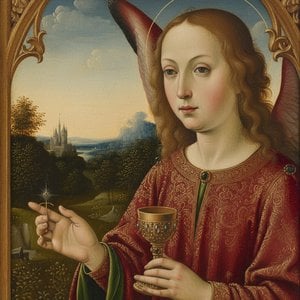
Embark on a journey through the luminous world of Early Netherlandish art. Discover the revolutionary oil techniques, microscopic realism, and sacred symbolism used by masters like Jan van Eyck to redefine Western art history in this expert-led guide.

Delve into the luminous revolution of Early Netherlandish painting. Unveil how Jan van Eyck and Flemish masters pioneered oil techniques to achieve unparalleled depth, sacred symbolism, and breathtaking realism, forever shaping the legacy of Western art history.


 实景预览
实景预览
 发送
发送 分享
分享
 详情
详情 指南
指南

 下载图片
下载图片
 相似作品
相似作品 X射线
X射线 幻灯片播放
幻灯片播放 统计数据
统计数据 阅读全文
阅读全文









 玻璃选项仅适用于110厘米以下的尺寸。


