The Sculptural Language of Resilience: The Life and Legacy of Melvin Edwards
Melvin Edwards stands as a monumental figure in the landscape of contemporary American sculpture, an artist whose work serves as both a profound historical archive and a visceral exploration of abstract form. Born on May 4, 1937, in Houston, Texas, Edwards’ early life was shaped by the starkly divided realities of the segregated South. This formative period, marked by the complexities of racial tension and the pursuit of social justice, would later become the emotional bedrock of his artistic practice. As he moved through the integrated landscapes of Ohio and eventually to California in 1955, Edwards began a transformative journey that would lead him from the foundational disciplines of painting at UCLA to the rugged, industrial mastery of welding and steel assemblage.
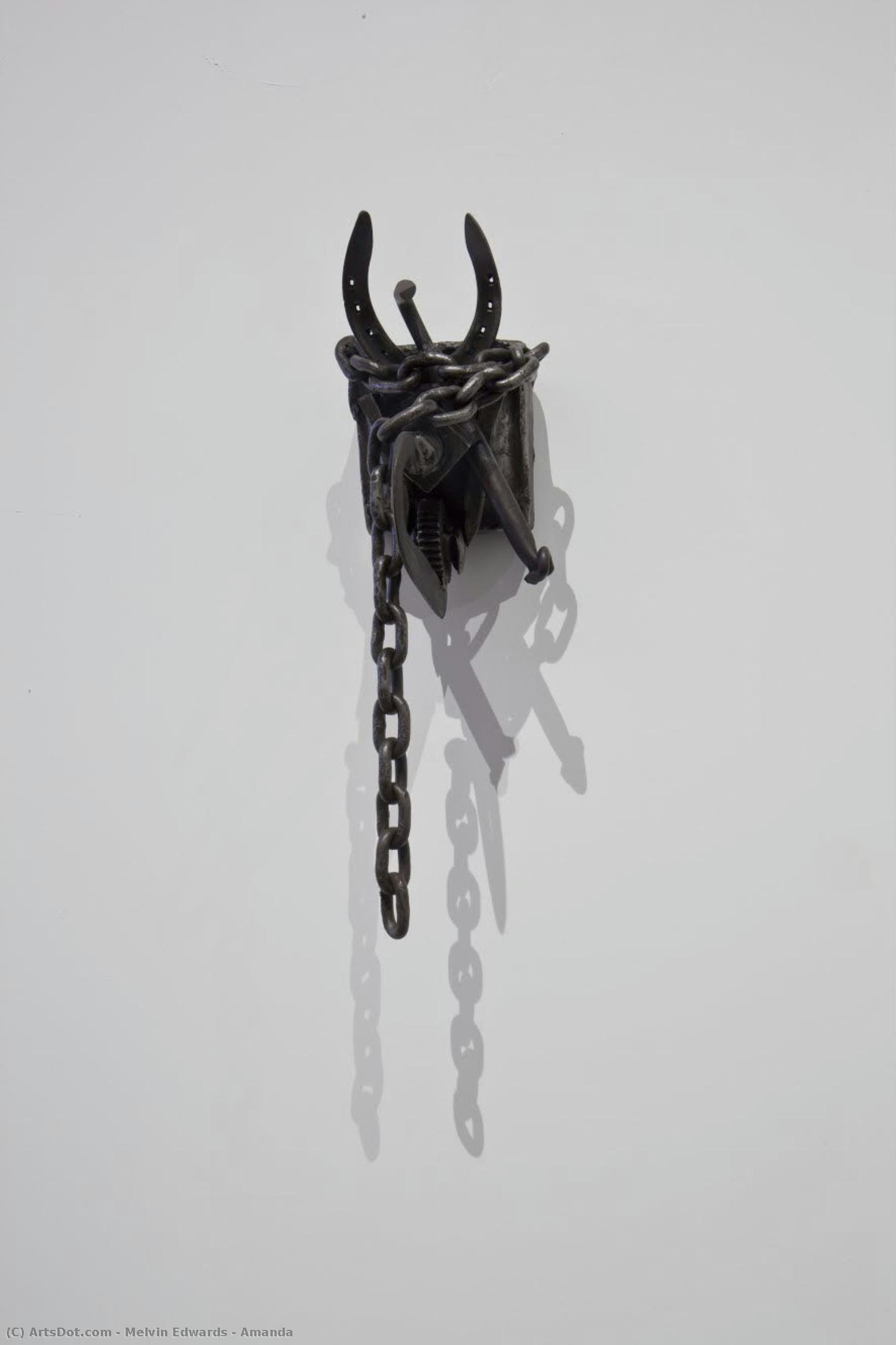
The arrival of Edwards in New York City in 1967 marked a definitive turning point in his career. Immersed in the electric atmosphere of postwar abstraction, he began to synthesize the geometric rigor of European modernism with the urgent, socio-political narratives of the African-American experience. It was during this era that he developed his most celebrated contribution to the sculptural canon: the Lynch Fragments. These intricate, small-scale steel reliefs are far more than mere abstract compositions; they are poetic yet harrowing assemblages of metal objects—spikes, chains, and scissors—that evoke the fractured memory of racial trauma. Through these works, Edwards achieved a delicate balance between the reductive aesthetics of artists like Piet Mondrian and a conceptual depth reminiscent of Marcel Duchamp, using the very weight and texture of steel to articulate the tension between oppression and endurance.
Materiality and Memory: The Art of Assemblage
To encounter a Melvin Edwards sculpture is to engage in a dialogue with history through the medium of industrial grit. His technique is characterized by an extraordinary command over metal, where the act of welding becomes a way to fuse disparate fragments of memory into a cohesive, albeit fractured, whole. In works such as Working Thought, one can witness how the artist utilizes the language of the Lynch Fragments to reflect on the resilience of the human spirit. The jagged edges and deliberate asymmetries of his steel reliefs do not merely represent chaos; they mirror the structural complexities of a history that is often broken and reconstructed.
This mastery extends into larger, more complex installations where the artist incorporates found objects to deepen the narrative resonance of his pieces. In Ida W.B., Edwards masterfully blends steel with bicycle parts, creating a poignant sculptural poem that explores themes of social justice and historical continuity. His ability to transform cold, industrial materials into vessels for profound human emotion is what distinguishes his oeuvre. The following elements define the core of his technical and thematic approach:
- The Use of Assemblage: Integrating found metal objects like chains and tools to ground abstract forms in physical reality.
- Geometric Tension: Utilizing sharp angles and asymmetrical compositions to evoke a sense of psychological and social friction.
- Historical Resonance: Drawing directly from the legacies of slavery and the Civil Rights Movement to inform the structural integrity of his work.
- Materiality as Metaphor: Using the permanence and weight of steel to symbolize the unyielding nature of memory and resistance.
A Lasting Impact on Contemporary Sculpture
The historical significance of Melvin Edwards lies in his ability to bridge the gap between formalist abstraction and political activism. He refused to allow the language of modern sculpture to remain detached from the lived realities of the Black experience, instead forcing the medium to confront the scars of the past. His work does not merely document history; it reanimates it, allowing the viewer to feel the weight of the metal and the sharpness of the edges as symbols of a struggle that continues to shape the American identity.
As his career has progressed, Edwards has remained a vital voice in the global art dialogue, proving that sculpture can be simultaneously decorative, intellectual, and deeply political. His legacy is found in every weld and every fragment, reminding us that even from the most broken pieces, a powerful and enduring narrative can be forged. Through his unwavering commitment to truth and form, Melvin Edwards has ensured that the stories of resilience and memory are etched permanently into the fabric of contemporary art.



 购买印刷品
购买印刷品 分享
分享 分享
分享
 详情
详情

 下载
下载
 相似作品
相似作品 幻灯片播放
幻灯片播放


 展开详情
展开详情






































 玻璃选项仅适用于110厘米以下的尺寸。