免费艺术咨询

x
购买版画 购买版画购买高清图片 购买高清图片 分享分享
详情详情 加入收藏 加入收藏 下载下载 相似作品相似作品 X射线检测X射线检测 幻灯片播放幻灯片播放

Composition

德国超现实主义大师马克·恩斯特 (1891-1976),达达与超现实主义先驱。探索其创新摩擦画、拼贴艺术及梦幻般的绘画,作品充满鸟类、风景和心理主题,深刻影响了20世纪的艺术发展。

手工油画复制品

由我们的艺术家按需定制,为您提供您所选尺寸及画框的布面手工油画。

P118B $10
P118H $10
P118W $10
P438Z $10
P508JH $12
P508YH $12
P805H $10
P805Z $10
P919BZ $10
P919G $10
P919XJ $10
P959ZH $10
P968JZ $12
W106C $8
W218G $10
W218JH $8
W218Y $10
W307PJ $10
W316G $10
W316PJ $8
W316Y $10
W398PJ $8
W4111J $10
W500HY $15
W500JH $15
W692G $12
W849H $8
W940BG $15
W953PJ $8

Standard
custom
CM
INCH

从与原作比例一致的预设尺寸中进行选择。

宽度
高度

您可以输入自定义尺寸,以适配特定的画框或空间。如果所选尺寸与原图比例不符,我们将通过裁剪作品或添加手绘元素来扩展画面。数字样稿将在制作开始前发送给您确认。
请注意,屏幕预览无法准确反映实际的裁剪或扩展效果,只有样稿才能真实呈现最终的构图。
虽然我们提供定制尺寸服务,但为了保留原作比例,建议您从预设列表中选择尺寸。

可定制示例:将面部替换为客户照片;添加宠物(例如,将猫替换为狗);在背景中加入隐藏信息;更改背景风景或元素。
下单后,WahooArt.com 团队将通过电子邮件联系客户获取具体要求,并提供效果预览图。

全球配送(),仅需 3-4 周即可送达,无需等待标准时效的 5 周。(3 July)。品质绝不妥协。

why_choose_icon
全球免费特快专递服务
why_choose_icon
优质亚麻画布
why_choose_icon
全程运输保险
why_choose_icon
关税退款保证
why_choose_icon
色彩还原度保证
why_choose_icon
60天退货政策(仅限制造缺陷)
why_choose_icon
100%退款保证
why_choose_icon
多件购买优惠

总计金额

-

reproduction

Composition

复制材质

复制品尺寸

-

最终总价

-

作品概览

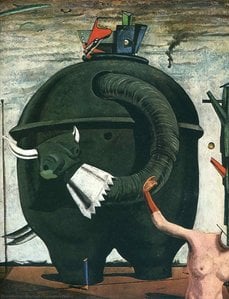
  • Title: Composition
  • Dimensions: 45 x 35 cm
  • Artistic style: Dreamlike imagery; Illogical juxtapositions
  • Year: 1943
  • Subject or theme: Human-animal interaction; Desire; Transformation
  • Medium: Oil on Canvas
  • Artist: Max Ernst

作品详情

Composition by Max Ernst: A Surrealist Echo of Instinct and Transformation

Max Ernst’s “Composition,” painted in 1943 during the tumultuous years of World War II, stands as a testament to Surrealism's enduring fascination with the subconscious mind and its ability to distill profound psychological themes into deceptively simple visual forms. More than just an aesthetically pleasing image—though undeniably striking—this artwork invites contemplation on primal urges, metamorphosis, and the elusive boundaries between humanity and animal nature.

  • Subject Matter & Narrative Depth: The painting depicts a disconcerting pairing – a woman’s torso positioned alongside a bird-like creature. This juxtaposition isn't merely accidental; it embodies Surrealist principles of illogical juxtaposition designed to provoke thought and challenge conventional perceptions. Ernst deliberately avoids explicit narrative, allowing viewers to project their own anxieties and desires onto the scene. The unsettling stillness suggests an internal struggle, hinting at themes of repression versus liberation.
  • Style & Technique – Embracing Looseness: Ernst’s signature Surrealist style is immediately recognizable through his loose brushwork and disregard for realistic representation. Oil paint on canvas lends itself to this expressive approach, capturing the immediacy of emotion rather than striving for photographic accuracy. The sketchy lines define amorphous shapes—primarily biomorphic forms resembling living organisms—creating a dreamlike atmosphere where form precedes function.
  • Color Palette & Symbolic Resonance: Despite its muted tonal range dominated by beige and grey, “Composition” bursts with carefully placed accents of red, yellow, and blue. These vibrant hues aren’t merely decorative; they highlight key elements – the bird's beak, representing aggression and instinct, and portions of the woman’s breasts symbolizing fertility and vulnerability. The overall color scheme contributes to a sense of unease and subtly underscores the artwork’s exploration of primal desires.
  • Historical Context & Artistic Influences: Ernst’s work emerged from the intellectual fervor surrounding Surrealism—a movement spearheaded by André Breton—which sought to liberate art from rational constraints and tap into the realm of dreams and unconsciousness. Drawing inspiration from artists like Giorgio Morandi and Oskar Kokoschka, Ernst honed his technique through experimentation with automatism – a method of spontaneous painting where the artist relinquishes conscious control, allowing subconscious impulses to guide their hand.
  • Emotional Impact & Interpretive Potential: “Composition” lingers in the viewer’s mind long after initial observation. Its ambiguous imagery compels us to confront uncomfortable truths about our own psychological landscape and invites speculation on the symbolism embedded within its forms. The bird creature, particularly, serves as a potent emblem of instinctual drives—a reminder that beneath the veneer of civilized behavior lie primal urges that continue to shape human experience.

A reproduction of “Composition” would bring Ernst’s visionary aesthetic into any interior space, offering an intriguing conversation piece and prompting reflection on themes of transformation and the subconscious. Its textural richness—achieved through subtle variations in paint application—further enhances its artistic merit.

相似艺术品


艺术家简介

马克斯·恩斯特:超现实主义的先驱与创新

马克斯·恩斯特(Max Ernst,1891-1976),原名马克西米利安·玛丽亚·恩斯特,出生于德国布吕尔,是20世纪最具影响力的艺术家之一。他的艺术生涯并非循规蹈矩的学院派训练,而是一场自我驱动的探索之旅,这场旅程深受哲学思辨、心理学兴趣以及对社会规范深刻幻灭的影响。恩斯特的父亲是一位聋哑学校教师兼业余画家,他不仅在恩斯特心中播下了对世界的敏感性,也激发了他对既定权威的反叛精神。这种早期的二元性成为了他艺术愿景中一个重要的特征。

恩斯特在波鸿大学的学习经历——涵盖哲学、艺术史、文学、心理学和精神病学——并非简单的消遣,而是深刻地影响了他的后世作品。他不仅仅关心“如何”绘画,更关切“为何”。这种求知欲促使他在1912年的科隆森德布尔德展览上接触到毕加索、梵高和高更的开创性作品,这一刻彻底改变了他艺术的轨迹。现代主义的种子已经播下。

从达达主义的颠覆到超现实主义的启示

一战的爆发成为了恩斯特生命中的一个转折点。他在东西线战场上的经历令他深受震动,对既定秩序产生了深刻的怀疑,并渴望新的表达方式。这种幻灭感在蓬勃发展的达达运动中找到了肥沃的土壤。1918年返回科隆后,恩斯特欣然投入其中。与终生的好友兼合作者汉斯·阿普一起,他成为了科隆达达主义团体的核心人物,拒绝了传统的艺术惯例,拥抱荒诞、偶然性和非理性。

然而,达达主义仅仅是他前进的垫脚石。在20世纪20年代初,恩斯特移居巴黎,并加入了以安德烈·布雷东为首的超现实主义阵营。这标志着他转向探索梦境领域、潜意识和非理性。受到西格蒙德·弗洛伊德的精神分析理论的影响,恩斯特试图通过他的艺术揭示人类经验中隐藏的深度。他并非致力于描绘事物如其所见,而是致力于揭示塑造它的潜在心理力量。

创新技法:摩擦画、刮擦画与拼贴

恩斯特的艺术创新不仅体现在主题上,还在于他对技巧的不懈探索。他不仅仅采用现有的方法——他发明了新的方法。也许他最著名的贡献是摩擦画(frottage),这是一种将铅笔或炭笔擦过纹理表面的过程,以创造出意想不到的和富有表现力的图像。这种技术诞生于观察木纹时的无聊时刻,使恩斯特能够进入潜意识并产生违背有意识控制的形式。紧密相关的还有刮擦画(grattage),即在画布上刮擦油漆,从而揭示其下方的图层。

他还巧妙地运用拼贴(collage),将不同的元素——杂志图像、科学插图、照片——组装成超现实的构图,挑战了对表征的传统观念。这些技术并非简单的风格选择;它们是探索潜意识和扰乱传统艺术边界的组成部分。他的画作经常出现重复的象征性意象:鸟类(尤其是他的化身洛普洛普)、荒凉的景观、令人不安的并置以及一种普遍的神秘感。

创新遗产与影响

二战爆发迫使恩斯特逃离欧洲,在美利坚合众国找到了庇护。他在流亡期间继续绘画和尝试新的技术,最终在战争结束后返回法国,并在那里保持活跃直到1976年4月1日在巴黎去世。他为后世艺术家带来的影响是不可估量的。

恩斯特对达达主义和超现实主义的贡献非同寻常。他挑战了艺术规范,深入探索了潜意识的深渊,并发明了继续激励着当代艺术家的创新技术。他不仅仅是一位画家;他是一位探险家、一位挑衅者和一位远见卓识的艺术家,拓展了艺术本身的边界。他的作品仍然是对想象力的证明,对非理性的吸引力以及理解人类心灵复杂性的持久追求。

  • 主要作品:《整个城市》、《欧克利德斯》、《关于此人将不得而知》、《森林与鸽子》
  • 影响:毕加索、梵高、高更、弗洛伊德、乔治·德·基里科
  • 运动:达达主义,超现实主义
马克·恩斯特

马克·恩斯特

1891 - 1976 , 德国

艺术家简介

  • Artistic Movement Or Style: 达达主义, 超现实主义
  • Artists Or Movements Influenced By This Artist:
    • 超现实主义
    • 达达
  • Artists Who Influenced This Artist:
    • 毕加索
    • 梵高
    • 高更
    • 德·奇里科
  • Date Of Birth: 1891年4月2日
  • Date Of Death: 1976年4月1日
  • Full Name: 马克·恩斯特
  • Nationality: 德裔美国籍,法籍
  • Notable Artworks:
    • 《葬礼祭品》
    • 《含蓄的女人》
    • 《壁炉的天使》
  • Place Of Birth: 布吕尔,德国
探索按主题、风格和特征分类的艺术作品。