
博物馆级艺术微喷或帆布版画,制作高效,并提供多种饰面选择。 ( 订购此收藏品的纯手工复刻画作 切换至数字图像销售渠道)





























您可以从与原作比例一致的预设尺寸中进行选择。

请输入您所需的宽度和高度,以适配您的画框或墙面。由于印刷品只能进行裁剪,无法超出原图尺寸,因此若比例不一致,画面的一部分将会被裁切。在正式印刷之前,我们会为您发送一份数字效果图供您确认。本页面显示的图片并非最终裁剪后的效果——只有效果图才能展示真实的裁剪情况。
Chimera
复刻品尺寸说明
Max Ernst's "Chimera," painted in 1921, isn’t merely a depiction of a scene; it’s an immersion into the fractured logic of the subconscious. This surrealist masterpiece, born from a period of intense artistic and intellectual exploration for Ernst, immediately confronts the viewer with a disorienting yet strangely compelling tableau. The painting presents a solitary figure – seemingly lost in contemplation – positioned before a wall adorned with a chaotic collection of objects: an umbrella tilted at an improbable angle, a chair receding into the distance, and other fragments that defy immediate recognition. It’s a visual riddle, designed not to offer easy answers but to provoke a deeper engagement with the nature of perception and reality itself.
Ernst's genius lies in his masterful manipulation of collage technique, a method he embraced as a means to liberate himself from traditional painting conventions. “Chimera” is a testament to this approach; it’s not painted directly onto canvas but constructed through the layering and juxtaposition of various materials – paper, fabric, wood, and other found objects. This deliberate fragmentation mirrors the fragmented nature of dreams and memories, suggesting that our understanding of the world is inherently unstable and subject to distortion. The resulting texture and visual complexity are deeply evocative, inviting the viewer to trace the lines between the disparate elements and construct their own interpretation.
“Chimera” is a quintessential example of the surrealist movement’s fascination with the irrational and the unconscious. Inspired by artists like Giorgio de Chirico, Ernst sought to tap into the hidden depths of the psyche, bypassing rational thought in favor of intuitive association. The umbrella, for instance, often symbolizes protection or communication, yet here it hangs passively on the wall, stripped of its function and imbued with an unsettling stillness. Similarly, the chair, a symbol of domesticity and stability, is placed in the background, suggesting a detachment from reality and perhaps even a sense of isolation. These carefully chosen juxtapositions create a tension that permeates the entire composition.
The very title, “Chimera,” alludes to the mythical beast—a creature composed of disparate animal parts—representing the composite nature of dreams and the blending of different realities within the mind. Ernst’s use of this mythological reference isn't simply decorative; it underscores the painting’s core theme: the instability of identity and the difficulty of defining a coherent self. The solitary figure, lost in contemplation before this chaotic wall, embodies this struggle – a being adrift in a world where familiar objects hold no fixed meaning.
Understanding “Chimera” requires acknowledging Max Ernst’s broader artistic and intellectual context. Born in Brühl, Germany, in 1891, Ernst was deeply influenced by philosophy, psychology, and literature – fields he pursued with relentless curiosity throughout his life. His early academic training instilled a critical approach to art, prompting him to question established norms and seek new ways of representing the world. “Chimera” reflects this spirit of experimentation, pushing the boundaries of artistic expression and challenging viewers to reconsider their assumptions about what constitutes ‘art’ itself.
The painting's creation coincided with a period of significant upheaval in Europe – the aftermath of World War I and the rise of new political ideologies. Surrealism emerged as a direct response to this climate of uncertainty, offering an alternative mode of expression that embraced the irrational and defied conventional logic. “Chimera” stands as a powerful testament to this movement’s ambition—a visual exploration of the subconscious mind and a bold assertion of artistic freedom.
WahooArt offers meticulously crafted, hand-painted reproductions of Max Ernst's “Chimera,” allowing you to experience this iconic work in stunning detail. Our artists replicate Ernst’s unique collage technique and evocative use of color with the utmost precision, capturing the painting’s dreamlike atmosphere and unsettling beauty. Whether displayed in a contemporary space or a classic setting, a reproduction of "Chimera" will serve as a captivating focal point, sparking conversation and inviting contemplation.
Beyond its aesthetic appeal, “Chimera” remains a profoundly resonant work of art—a poignant reflection on the nature of reality, identity, and the human condition. It’s an invitation to step outside the confines of rational thought and embrace the mysteries of the subconscious. Explore our collection today and bring this extraordinary piece into your world.
马克斯·恩斯特(Max Ernst,1891-1976),原名马克西米利安·玛丽亚·恩斯特,出生于德国布吕尔,是20世纪最具影响力的艺术家之一。他的艺术生涯并非循规蹈矩的学院派训练,而是一场自我驱动的探索之旅,这场旅程深受哲学思辨、心理学兴趣以及对社会规范深刻幻灭的影响。恩斯特的父亲是一位聋哑学校教师兼业余画家,他不仅在恩斯特心中播下了对世界的敏感性,也激发了他对既定权威的反叛精神。这种早期的二元性成为了他艺术愿景中一个重要的特征。
恩斯特在波鸿大学的学习经历——涵盖哲学、艺术史、文学、心理学和精神病学——并非简单的消遣,而是深刻地影响了他的后世作品。他不仅仅关心“如何”绘画,更关切“为何”。这种求知欲促使他在1912年的科隆森德布尔德展览上接触到毕加索、梵高和高更的开创性作品,这一刻彻底改变了他艺术的轨迹。现代主义的种子已经播下。
一战的爆发成为了恩斯特生命中的一个转折点。他在东西线战场上的经历令他深受震动,对既定秩序产生了深刻的怀疑,并渴望新的表达方式。这种幻灭感在蓬勃发展的达达运动中找到了肥沃的土壤。1918年返回科隆后,恩斯特欣然投入其中。与终生的好友兼合作者汉斯·阿普一起,他成为了科隆达达主义团体的核心人物,拒绝了传统的艺术惯例,拥抱荒诞、偶然性和非理性。
然而,达达主义仅仅是他前进的垫脚石。在20世纪20年代初,恩斯特移居巴黎,并加入了以安德烈·布雷东为首的超现实主义阵营。这标志着他转向探索梦境领域、潜意识和非理性。受到西格蒙德·弗洛伊德的精神分析理论的影响,恩斯特试图通过他的艺术揭示人类经验中隐藏的深度。他并非致力于描绘事物如其所见,而是致力于揭示塑造它的潜在心理力量。
恩斯特的艺术创新不仅体现在主题上,还在于他对技巧的不懈探索。他不仅仅采用现有的方法——他发明了新的方法。也许他最著名的贡献是摩擦画(frottage),这是一种将铅笔或炭笔擦过纹理表面的过程,以创造出意想不到的和富有表现力的图像。这种技术诞生于观察木纹时的无聊时刻,使恩斯特能够进入潜意识并产生违背有意识控制的形式。紧密相关的还有刮擦画(grattage),即在画布上刮擦油漆,从而揭示其下方的图层。
他还巧妙地运用拼贴(collage),将不同的元素——杂志图像、科学插图、照片——组装成超现实的构图,挑战了对表征的传统观念。这些技术并非简单的风格选择;它们是探索潜意识和扰乱传统艺术边界的组成部分。他的画作经常出现重复的象征性意象:鸟类(尤其是他的化身洛普洛普)、荒凉的景观、令人不安的并置以及一种普遍的神秘感。
二战爆发迫使恩斯特逃离欧洲,在美利坚合众国找到了庇护。他在流亡期间继续绘画和尝试新的技术,最终在战争结束后返回法国,并在那里保持活跃直到1976年4月1日在巴黎去世。他为后世艺术家带来的影响是不可估量的。
恩斯特对达达主义和超现实主义的贡献非同寻常。他挑战了艺术规范,深入探索了潜意识的深渊,并发明了继续激励着当代艺术家的创新技术。他不仅仅是一位画家;他是一位探险家、一位挑衅者和一位远见卓识的艺术家,拓展了艺术本身的边界。他的作品仍然是对想象力的证明,对非理性的吸引力以及理解人类心灵复杂性的持久追求。

1891 - 1976 , 德国
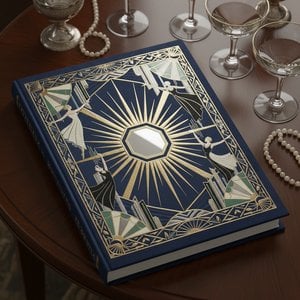
Discover the allure of Art Deco through a curated guide to its most iconic masterpieces. Explore the elegance of Erté and the innovation of Jean Dunand, perfect for collectors seeking timeless glamour and sophisticated design inspiration.

Embark on a journey through the subconscious with our expert guide to Surrealism. Discover the profound symbolism of masters like Dalí and Ernst, exploring how dreamlike imagery reshaped art history and continues to inspire collectors and enthusiasts worldwide.

Embark on a sophisticated journey through the surrealist movement. Discover how masters like Dalí and Ernst blurred the lines between dreams and reality through innovative techniques, exploring the profound impact of the subconscious on fine art history with expert authority.

Discover the allure of Art Deco style with our expert guide to luxury interiors. Explore iconic influences from Erté to Jean Dunand and learn to curate a sophisticated space filled with timeless glamour and geometric elegance.

Discover the breathtaking allure of Art Deco. Explore the era's iconic geometry, legendary designers like Erté, and timeless glamour. Perfect for discerning collectors seeking to infuse their spaces with sophisticated modernist elegance and historical prestige.


 实景预览
实景预览
 发送
发送 分享
分享
 详情
详情 指南
指南

 下载图片
下载图片
 相似作品
相似作品 X射线
X射线 幻灯片播放
幻灯片播放 统计数据
统计数据

 阅读全文
阅读全文









 玻璃选项仅适用于110厘米以下的尺寸。


