
 Oil On PanelNorthern Renaissance
 1515
1515 269.0 x 141.0 cm
 Musée d'Unterlinden
博物馆级艺术微喷或帆布版画,制作高效,并提供多种饰面选择。 ( 购买手绘画作 切换至数字图像销售渠道)





























从与原作比例一致的预设尺寸中进行选择。

您可以输入自定义尺寸,以适配特定的画框或空间。如果您选择的尺寸与原图比例不符,我们将对作品进行裁剪,或通过镜像填充/纯色填充边缘的方式来扩展图像。在开始制作之前,我们会向您发送一份数字效果图供您确认。
请注意,屏幕上的预览并不能反映实际的裁剪或扩展效果。只有效果图才能准确展示最终的构图。
虽然我们提供定制尺寸,但为了保持原图比例,我们建议您从预设列表中选择尺寸。

The Annunciation
复制品尺寸
Matthias Grünewald’s “The Annunciation,” painted in 1515, isn't merely a depiction of a biblical moment; it’s a profound meditation on faith, humility, and the unfolding mystery of God’s plan. Housed within the Musée d’Unterlinden in Colmar, France, this masterpiece transcends its historical context to resonate powerfully with viewers centuries later. Grünewald, a pivotal figure bridging the late medieval and early Renaissance periods, deliberately eschewed the prevailing Italian humanist style, instead drawing upon the rich traditions of Northern European art—a lineage characterized by intense emotionality, meticulous detail, and an unwavering focus on religious narrative.
The scene itself is deceptively simple: the Archangel Gabriel stands to Mary’s right, his flowing robes a vibrant crimson that speaks both of divine authority and passionate urgency. He extends his hand, presenting a lily—a potent symbol of purity and virginity, inextricably linked with Mary's role as the Mother of God. Mary, kneeling gracefully on the left, is rendered in shades of serene blue, reflecting her humility and acceptance of this extraordinary destiny. The architectural setting, reminiscent of a Gothic cathedral’s archway, provides a sense of sacred space—a stage for this pivotal encounter.
Grünewald's mastery lies not just in his composition but also in his innovative use of color and light. The palette is deliberately restrained, dominated by the complementary hues of red and blue – a deliberate choice that amplifies their symbolic weight. The strong, directional light source, originating from the upper left corner, dramatically illuminates Mary’s face, emphasizing her vulnerability and receptiveness to the divine message. This carefully orchestrated lighting creates a palpable sense of depth and drama, drawing the viewer's eye directly to the central figures.
Furthermore, Grünewald employs a technique known as *sfumato*, subtly blurring edges and creating atmospheric effects—a hallmark of Renaissance painting that he skillfully adapted to his own style. This adds an ethereal quality to the scene, suggesting the otherworldly nature of the event unfolding before us. The meticulous detail evident in the drapery, the intricate patterns on the clothing, and the subtle modeling of the figures speaks to Grünewald’s exceptional technical skill and unwavering commitment to realism.
Beyond the immediate narrative, “The Annunciation” is rich with symbolic meaning. The dove hovering above Mary represents the Holy Spirit—the divine breath that will bring forth Christ. The architectural setting itself alludes to the sacredness of the event and the importance of God’s presence in human life. Even the positioning of Gabriel and Mary within the archway can be interpreted symbolically, representing harmony and balance – a visual embodiment of the theological concept of *coincidence of opposites*.
The lily held by Gabriel is not merely a floral emblem; it's a potent reminder of Mary’s virginity and her role as the vessel through which Christ will be born. The careful rendering of each element—from the angel’s wings to Mary’s expression—contributes to a complex tapestry of meaning that invites contemplation and interpretation.
“The Annunciation” remains a profoundly moving work of art, captivating viewers with its beauty, drama, and spiritual depth. High-quality reproductions are now available through WahooArt, allowing art enthusiasts to bring this iconic masterpiece into their homes or offices. These meticulously crafted oil paintings faithfully capture the essence of Grünewald’s original—a testament to his artistic genius and a timeless reminder of the miracle at the heart of Christian faith. For those seeking to delve deeper into the world of Matthias Grünewald, we encourage you to explore the resources linked below, including detailed images, artist biographies, and related works.

马蒂亚斯·格吕内瓦尔德(Matthias Grünewald),原名 Mathis Gothart Neithardt,约于 1470 年至 1475 年间出生于德国维尔茨堡,是德国文艺复兴时期举足轻重的人物。尽管他所处的时代正日益受到意大利文艺复兴理想的影响,但格吕内瓦尔德的艺术灵魂却深深植根于中欧中世纪晚期的艺术传统之中。虽然关于他早年生活的记载十分稀少,但可以确定的是,他曾在当地的工作坊中接受了系统的艺术训练。
格吕内瓦尔德的艺术成长深受当时盛行的北欧传统影响,这些传统强调写实主义、情感强度以及细腻的观察力。他的作品中可见阿尔布雷希特·丢勒(Albrecht Dürer)和马丁·雄哥(Martin Schongauer)等大师的影子,但他并未止步于模仿,而是开辟了一条独树一帜的道路,以戏剧性的表现力和鲜艳夺目的色彩著称。他并未直接参与意大利盛行的那种人文主义圈子;相反,他的艺术创作主要服务于宗教目的,深刻地反映了那个时代人们内心深处的精神焦虑。
格吕内瓦尔德的艺术风格具有以下显著特征:
格吕内瓦尔德的作品见证了文艺复兴时期德国中世纪艺术传统持久的生命力。他在晚期哥特式风格与新兴的文艺复兴风格之间架起了一座桥梁,创造出一种能与同时代人产生共鸣的独特视觉语言。他的影响力在后世那些致力于探索宗教热忱与情感强度的德国艺术家身上得到了延续。 尽管在 1528 年去世后的几个世纪里,他的名声一度沉寂,但在 19 世纪,格吕内瓦尔德迎来了艺术史上的复兴。如今,他被公认为德国文艺复兴时期最重要的画家之一。他的艺术作品凭借其原始的情感张力、精湛的技艺以及深邃的精神深度,至今仍令无数观众为之倾倒。
欲了解更多关于马蒂亚斯·格吕内瓦尔德的生平与作品,请访问: WahooArt

1480 - 1528 , 德国

Explore the profound beauty of Marian iconography through an art historian's lens. Discover iconic masterpieces by Raphael and Renaissance masters, celebrating the divine grace and timeless elegance of the Virgin Mary in classical fine art.
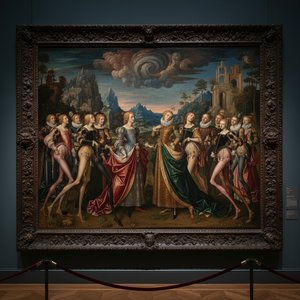
Explore the dramatic evolution of Northern Mannerism. Discover how masters like Bosch and Grünewald transitioned from Renaissance harmony to profound, elegant distortion through an expert analysis of symbolism, emotional intensity, and artistic innovation.
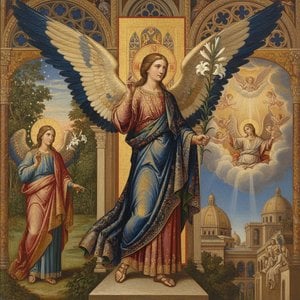
Explore the profound beauty of Angel Gabriel in art history. From Renaissance masterpieces to Baroque splendor, our expert guide delves into the sacred iconography and timeless techniques of these divine messengers for the discerning art enthusiast.

Embark on a profound journey through art history with our exploration of the most iconic depictions of the Virgin Mary. Discover the divine grace, symbolism, and masterful techniques found in Renaissance masterpieces and sacred iconography.


 效果预览
效果预览
 分享
分享 分享
分享
 详情
详情 指南
指南

 下载
下载
 相似作品
相似作品 X射线
X射线 幻灯片播放
幻灯片播放 统计数据
统计数据 展开详情
展开详情









 玻璃选项仅适用于110厘米以下的尺寸。


