
 Oil On PanelWallArtNorthern Renaissance
 1515Renaissance
 232.0 x 76.0 cm
 Musée d'Unterlinden
博物馆级艺术微喷或帆布版画,制作高效,并提供多种饰面选择。 ( 购买手绘画作 切换至数字图像销售渠道)





























从与原作比例一致的预设尺寸中进行选择。

您可以输入自定义尺寸,以适配特定的画框或空间。如果您选择的尺寸与原图比例不符,我们将对作品进行裁剪,或通过镜像填充/纯色填充边缘的方式来扩展图像。在开始制作之前,我们会向您发送一份数字效果图供您确认。
请注意,屏幕上的预览并不能反映实际的裁剪或扩展效果。只有效果图才能准确展示最终的构图。
虽然我们提供定制尺寸,但为了保持原图比例,我们建议您从预设列表中选择尺寸。

St Sebastian
复制品尺寸
In the quiet corridors of the Musée d'Unterlinden, there exists a painting that does not merely depict a scene, but breathes with the raw, unshielded intensity of human suffering and divine resilience. Matthias Grünewald’s St Sebastian, completed around 1515, is far more than a religious icon; it is a profound psychological landscape. At first glance, the viewer is struck by the visceral reality of the figure—a man caught in the agonizing intersection of physical torment and spiritual transcendence. Unlike many Renaissance depictions that favor idealized, classical beauty, Grünewald embraces a Northern European tradition of unflinching realism. The saint’s body, pierced by arrows, serves as a canvas for an exploration of pain, yet there is an undeniable elegance in his posture that suggests a soul already beginning its ascent toward the divine.
The composition is a masterclass in dramatic tension and atmospheric depth. Grünewald utilizes a somber, dark interior to push the figure of St. Sebastian into the immediate foreground, creating an intimacy that feels almost intrusive. Light plays a pivotal role here, streaming from a window on the left to sculpt the musculature of the torso and illuminate the wounds with a haunting clarity. This use of chiaroscuro—the dramatic interplay of light and shadow—does more than create three-dimensional form; it directs the viewer's emotional journey, pulling our eyes toward the crimson marks of martyrdom. The presence of a delicate vase of flowers on the periphery offers a poignant contrast, a fleeting whisper of natural beauty set against the heavy, eternal weight of the saint's sacrifice.
To gaze upon this masterpiece is to read a complex language of symbols deeply rooted in the late medieval and early Northern Renaissance consciousness. Each arrow embedded in the flesh is not merely a weapon of execution but a symbol of the piercing nature of faith and the shared suffering of Christ. The vibrant yet subdued palette, dominated by earthy tones and punctuated by sudden, startling flashes of red, mirrors the biological reality of blood and wound. Grünew nwald’s technique involves a meticulous layering of oil paint that creates an illusionistic surface, allowing the textures of skin, fabric, and light to feel palpably real. His brushwork, while precise in anatomical detail, possesses a rhythmic energy that captures the very vibration of life under duress.
For the discerning collector or interior designer, a reproduction of this work offers more than mere decoration; it provides a focal point of profound intellectual and emotional gravity. The painting’s ability to command a room lies in its duality—it is simultaneously unsettling and deeply comforting. It invites contemplation on themes of endurance, the beauty found within struggle, and the transformative power of devotion. Whether placed in a curated gallery setting or as a centerpiece in a sophisticated study, St Sebastian serves as a timeless testament to the human spirit's capacity to endure the unimaginable and emerge with a quiet, luminous dignity.

马蒂亚斯·格吕内瓦尔德(Matthias Grünewald),原名 Mathis Gothart Neithardt,约于 1470 年至 1475 年间出生于德国维尔茨堡,是德国文艺复兴时期举足轻重的人物。尽管他所处的时代正日益受到意大利文艺复兴理想的影响,但格吕内瓦尔德的艺术灵魂却深深植根于中欧中世纪晚期的艺术传统之中。虽然关于他早年生活的记载十分稀少,但可以确定的是,他曾在当地的工作坊中接受了系统的艺术训练。
格吕内瓦尔德的艺术成长深受当时盛行的北欧传统影响,这些传统强调写实主义、情感强度以及细腻的观察力。他的作品中可见阿尔布雷希特·丢勒(Albrecht Dürer)和马丁·雄哥(Martin Schongauer)等大师的影子,但他并未止步于模仿,而是开辟了一条独树一帜的道路,以戏剧性的表现力和鲜艳夺目的色彩著称。他并未直接参与意大利盛行的那种人文主义圈子;相反,他的艺术创作主要服务于宗教目的,深刻地反映了那个时代人们内心深处的精神焦虑。
格吕内瓦尔德的艺术风格具有以下显著特征:
格吕内瓦尔德的作品见证了文艺复兴时期德国中世纪艺术传统持久的生命力。他在晚期哥特式风格与新兴的文艺复兴风格之间架起了一座桥梁,创造出一种能与同时代人产生共鸣的独特视觉语言。他的影响力在后世那些致力于探索宗教热忱与情感强度的德国艺术家身上得到了延续。 尽管在 1528 年去世后的几个世纪里,他的名声一度沉寂,但在 19 世纪,格吕内瓦尔德迎来了艺术史上的复兴。如今,他被公认为德国文艺复兴时期最重要的画家之一。他的艺术作品凭借其原始的情感张力、精湛的技艺以及深邃的精神深度,至今仍令无数观众为之倾倒。
欲了解更多关于马蒂亚斯·格吕内瓦尔德的生平与作品,请访问: WahooArt

1480 - 1528 , 德国

Explore the intricate beauty of Northern Renaissance art. Discover the revolutionary oil techniques, profound symbolism, and microscopic realism of the Franco-Flemish masters in this expert guide for classical art enthusiasts.

Unveil the intricate mastery of Northern Renaissance Art. Explore the luminous oil techniques, hidden symbolism, and breathtaking realism of Flemish masters through an expert lens of art history and technical precision.
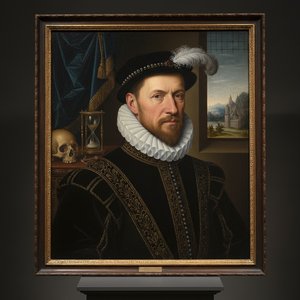
Explore the breathtaking precision of Hans Holbein the Younger. From Tudor royal portraits to intricate Northern Renaissance details, discover the mastery behind his legendary works and learn how to bring this historical grandeur into your collection with museum-quality reproductions.

Explore the dramatic evolution of Northern Mannerism. Discover how masters like Bosch and Grünewald transitioned from Renaissance harmony to profound, elegant distortion through an expert analysis of symbolism, emotional intensity, and artistic innovation.


 效果预览
效果预览
 分享
分享 分享
分享
 详情
详情

 下载
下载
 相似作品
相似作品 X射线
X射线 幻灯片播放
幻灯片播放 统计数据
统计数据 展开详情
展开详情









 玻璃选项仅适用于110厘米以下的尺寸。


