
x


 Oil On PanelGerman Renaissance
 1400Renaissance
 58.0 x 39.0 cm
 羅爾富萊茨博物館




























从与原作比例一致的预设尺寸中进行选择。

您可以输入自定义尺寸,以适配特定的画框或空间。如果您选择的尺寸与原图比例不符,我们将对作品进行裁剪,或通过镜像填充/纯色填充边缘的方式来扩展图像。在开始制作之前,我们会向您发送一份数字效果图供您确认。
请注意,屏幕上的预览并不能反映实际的裁剪或扩展效果。只有效果图才能准确展示最终的构图。
虽然我们提供定制尺寸,但为了保持原图比例,我们建议您从预设列表中选择尺寸。

Triptych
复制品尺寸
In the quiet, contemplative atmosphere of the early 15th century, the Master of Saint Veronica crafted a work of profound intimacy and spiritual depth. This exquisite triptych serves as more than just a religious object; it is a window into the tender, human moments of the divine. The central panel presents a breathtakingly soulful depiction of the Virgin Mary, her gaze and posture radiating a maternal warmth that transcends the centuries. As she cradles the Christ child, the viewer is invited into a sacred space where the boundaries between the earthly and the heavenly blur. The surrounding panels expand this narrative, illustrating various stages of care—from nursing to protective embracing—creating a rhythmic cycle of devotion that speaks to the universal themes of nurturing and unconditional love.
The composition is masterfully orchestrated to guide the eye through a complex tapestry of figures and emotions. Beyond the central duo, the artist has populated the scenes with secondary figures—women whose presence adds a layer of communal sanctity, and men positioned at the periphery who ground the celestial event in a recognizable human reality. Each figure is rendered with a delicate precision characteristic of the German Renaissance, where every fold of fabric and subtle shift in expression contributes to the overall narrative arc. The interplay of light and shadow across these three distinct scenes creates a sense of movement, as if the viewer is witnessing a continuous, living prayer unfolding before their very eyes.
The technical mastery displayed in this piece reflects the burgeoning artistic sensibilities of Cologne during the 1400s. The artist utilizes a meticulous approach to detail, likely employing fine glazes to achieve the luminous skin tones and the rich, heavy textures of the period's garments. This level of craftsmanship is essential for capturing the emotional nuance required by such a devotional subject. There is a palpable weight to the figures, an anatomical presence that suggests the influence of early Northern Renaissance realism, where the physical world is used as a vessel to express spiritual truths.
For the discerning collector or interior designer, this triptych offers a unique opportunity to introduce a sense of historical gravity and timeless elegance into a contemporary space. The piece does not merely decorate a wall; it anchors a room with its profound narrative and somber beauty. Whether placed in a quiet study, a grand library, or as a focal point in a curated gallery, a high-quality reproduction of this work brings with it the echoes of medieval piety and the sophisticated artistry of a lost master. It is an investment in art that celebrates the enduring power of human connection and the sublime beauty of the classical tradition.

The identity of the “Master of Saint Veronica” remains one of art history’s most enduring mysteries. Active in Cologne during the early decades of the 15th century, this anonymous artist produced a remarkable body of devotional works, primarily triptychs and panel paintings, that offer a poignant window into the religious fervor and artistic sensibilities of the burgeoning German Renaissance. Despite centuries of speculation and scholarly investigation, his true name—and even the precise details of his life—remain elusive, leading art historians to rely on stylistic analysis and contextual clues to piece together a fragmented portrait of this influential yet forgotten figure.
The artist’s fame rests largely upon a single, profoundly moving triptych housed in the Alte Pinakothek in Munich: “Saint Veronica with the Sudarium” (c. 1420). This work, characterized by its exquisite detail and deeply emotive portrayal of Saint Veronica offering Jesus’ face to her veil—the Sudarium—immediately captivated viewers and established the Master as a leading artistic voice in Cologne. The painting's composition is remarkably intimate; the figures are rendered with an almost photographic realism, capturing not just their physical appearance but also their emotional states. The use of muted colors, particularly blues and browns, creates a sense of solemnity and reverence, while subtle gradations of light and shadow imbue the scene with a palpable atmosphere of grief and compassion.
Beyond this iconic masterpiece, a small but significant collection of works attributed to the Master has been identified. These include detached miniatures—likely fragments from an illuminated manuscript—now residing in the Getty Museum, and several panel paintings featuring biblical scenes and depictions of saints. The stylistic similarities between these pieces strongly suggest that they were all created by the same hand, further solidifying the notion of a cohesive artistic style. Notably, many of these works share a similar focus on emotional intensity and psychological depth—qualities that distinguish them from the more formal and stylized art of the preceding Gothic period.
Little is known about the Master’s personal life. He appears to have emerged onto the Cologne artistic scene around 1400, a time marked by significant social and religious upheaval. The city was experiencing rapid growth and prosperity, fueled by burgeoning trade and commerce, but also grappling with increasing religious anxieties. The rise of the mendicant orders—friars dedicated to poverty and preaching—challenged the established authority of the Church, while simultaneously fostering a renewed interest in piety and devotion.
Contemporary records provide tantalizing glimpses into the artist’s world. A chronicle from 1402 mentions Wilhelm, a painter working in Cologne, who was praised for his skill in depicting people with remarkable realism. This reference has long been linked to the Master of Saint Veronica, though it remains uncertain whether this is the same individual. Furthermore, a document from 1435 records the death of another “magister Wilhelmus,” an “honourable man, singular painter and our friend,” in the Cologne Charterhouse monastery. This figure—again, potentially the Master—was described as a valued member of the monastic community.
The influence of other artists undoubtedly shaped the Master’s style. The International Gothic tradition, characterized by its elegant figures, intricate details, and emphasis on decorative elements, served as a foundational framework for his work. However, the Master also demonstrated a remarkable sensitivity to psychological expression—a trait that would later become a hallmark of the Early Renaissance. The works of Giotto, who pioneered a more naturalistic and emotionally resonant style in Florence, likely exerted a significant influence, as did the emerging trend towards greater realism and individualization in portraiture.
The “Master of Saint Veronica”’s paintings are steeped in religious symbolism. The central image—Saint Veronica offering Jesus’ face to her veil—is a powerful meditation on humility, compassion, and the sacredness of suffering. The Sudarium itself—the cloth bearing the imprint of Christ's face—holds profound significance as an *acheiropoieton*—an image created without human hands—a miraculous artifact embodying divine grace. The choice of depicting Saint Veronica, a relatively obscure figure in the Gospels, underscores the artist’s focus on emotional resonance and spiritual depth rather than purely narrative accuracy.
The triptych format—a common feature of 15th-century religious art—allowed the Master to create complex and layered compositions. Each panel offered a distinct perspective on the story, inviting viewers to contemplate the events from different angles. The use of color, light, and shadow further enhanced the emotional impact of the scenes, creating a sense of immediacy and intimacy.
Despite the enduring mystery surrounding his identity, the Master of Saint Veronica remains a pivotal figure in the history of German art. His works represent a crucial transitional stage between the Gothic and Renaissance periods, embodying the artistic innovations and spiritual concerns of early 15th-century Cologne. The artist’s emphasis on psychological realism, emotional intensity, and devotional symbolism foreshadowed many of the key developments that would characterize the High Renaissance.
The Master's legacy is particularly evident in the work of later artists who followed in his footsteps. Hans Memling, for example—a prominent painter active in Bruges—was deeply influenced by the Master’s style and technique. The “Veil of Veronica” attributed to Memling, now housed at the National Gallery in London, demonstrates a clear continuity with the Master's oeuvre, further solidifying his position as a formative influence on Northern European art.
The enduring fascination with the Master of Saint Veronica underscores the power of art to evoke emotion and inspire contemplation. His anonymous existence only adds to the intrigue, prompting us to imagine the life and creative spirit of this enigmatic artist—a true pioneer of the German Renaissance.

1400 - 1420 , Germany
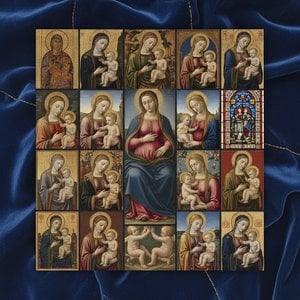
Embark on a sophisticated journey through art history with our curated guide to the most iconic Madonna and Child masterpieces. Discover the profound beauty, theological depth, and enduring legacy of these sacred Renaissance treasures.

Embark on a profound journey through art history with our exploration of the most iconic depictions of the Virgin Mary. Discover the divine grace, symbolism, and masterful techniques found in Renaissance masterpieces and sacred iconography.
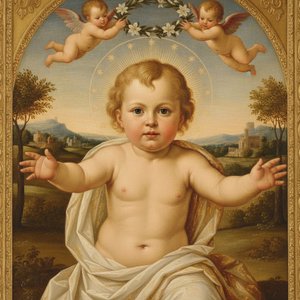
Explore the profound beauty of Baby Jesus in fine art history. From Raphael's Renaissance masterpieces to symbolic light, discover how classical painters captured divine innocence through masterful technique and sacred iconography.

Explore the profound precision of German Renaissance art. From Albrecht Dürer’s intricate engravings to the soulful depth of Northern Renaissance portraiture, discover a masterclass in detail, humanism, and technical mastery for the true art enthusiast.


第一时间获取最新的艺术新闻、独家优惠及装饰灵感。
向我们介绍您的项目需求,我们的艺术专家将为您提供 3 个个性化的艺术品推荐。
由我们的专家为您精选 3 款心仪之作 —— 完全免费!


 效果预览
效果预览
 购买手绘画作
 分享
分享 分享
分享
 详情
详情

 下载
下载
 相似作品
相似作品 X射线
X射线 幻灯片播放
幻灯片播放 展开详情
展开详情









 玻璃选项仅适用于110厘米以下的尺寸。


