
x


从与原作比例一致的预设尺寸中进行选择。

您可以输入自定义尺寸,以适配特定的画框或空间。如果所选尺寸与原图比例不符,我们将通过裁剪作品或添加手绘元素来扩展画面。数字样稿将在制作开始前发送给您确认。
请注意,屏幕预览无法准确反映实际的裁剪或扩展效果,只有样稿才能真实呈现最终的构图。
虽然我们提供定制尺寸服务,但为了保留原作比例,建议您从预设列表中选择尺寸。

War scene
复制品尺寸

In the vibrant, sun-drenched landscape of the Italian Baroque, few names evoke as much mystery and atmospheric wonder as Giovanni Andrea Donducci, known more intimately to history by his evocative nickname, Mastelletta. Born in Bologna on February 14, 1575, the son of a craftsman who made wooden vats—or mastelli—his very identity was rooted in the tactile, industrious spirit of his home city. Yet, while his lineage was tied to the earth and craft, his soul belonged to the heavens and the dreamlike expanses of the imagination. Mastelletta emerged as a singular voice within the Bolognese School, a painter who could weave together the structured elegance of the Renaissance with a phantasmagoric, almost hallucinatory sense of light and motion.
His artistic journey began within the prestigious Academy degli Incamminati, where he breathed the same creative air as the legendary Carracci. This formative period provided him with a rigorous foundation in classical composition and anatomical precision, yet Mastelletta was never content to merely replicate the established order. While his contemporaries often sought clarity and balance, he drifted toward a more fluid, expressive language. His early training allowed him to engage deeply with the works of Domenichino and Francesco Albani, but he infused their classical grace with a restless, Mannerist energy that felt both ancient and startlingly modern.
To gaze upon a Mastelletta canvas is to enter a world where the boundaries between reality and dream dissolve. He became master of the fête champêtre—those idyllic, aristocratic gatherings set within lush, sprawling landscapes. These were not merely pastoral scenes; they were theatrical stages where light performed its most dramatic solos. Using brilliant, free brushwork, he captured the way sunlight filters through dense foliage or glinting off a riverbank feast, creating an ethereal atmosphere that seems to shimmer with life. His technique relied heavily on stark contrasts of shadow and luminous highlights, a method that lent his figures an almost supernatural vitality.
His landscapes were far more than mere backdrops; they were psychological extensions of the figures inhabiting them. Influenced by the works of Dosso Dossi and Nicolò dell’Abate, Mastelletta developed a way of painting nature that felt enchanted. In his hands, a simple woodland became a place of spiritual contemplation or hidden drama. This ability to blend meticulous naturalistic observation with a sense of the fantastic allowed him to transcend the typical genre painting of his era, elevating the landscape to a realm of profound emotional resonance.
The significance of Mastelletta lies in his role as a bridge between eras. He stood at the twilight of European Mannerism, synthesizing its complex, elongated forms with the burgeoning emotional intensity of the Baroque. His brief sojourns in Rome and potentially Venice expanded his visual vocabulary, allowing him to bring a cosmopolitan flair back to the Bolognese tradition. Through his monumental fresco cycles and intimate canvases, he contributed to a visual culture that celebrated both civic pride and the deep, spiritual mysteries of the human condition.
Even today, the works of Mastelletta continue to captivate collectors and historians alike. He remains a painter of the "in-between"—the space between light and shadow, between the physical world and the dreamscape. His legacy is found in every brushstroke that dares to prioritize feeling over form, and in every landscape that invites the viewer to lose themselves in an eternal, golden afternoon. Through his unique vision, the name Mastelletta remains forever etched in the annals of art history as a master of the sublime.

1575 - 1655 , Italy

Embark on a visual journey through the world's most radiant masterpieces. Discover how gold leaf, impasto textures, and gilded tones define luxury in fine art, from Byzantine icons to modern abstracts. Explore the eternal allure of gold in curated, museum-quality art collections.
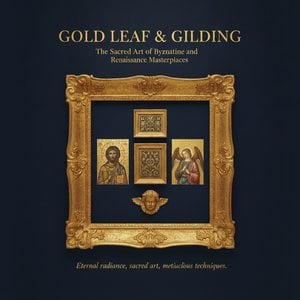
Explore the divine mastery of Byzantine gold leaf and gilding. Discover how ancient artisans used gold ground and mosaics to create celestial light, a timeless legacy of spiritual splendor and technical excellence in sacred art history.

Elevate your collection with the dramatic grandeur of Baroque oil masterpieces. WahooArt offers exquisite, hand-painted reproductions of the Great Masters, featuring authentic chiaroscuro and premium textures. Discover bespoke artistry and expert consultation for elite collectors worldwide.


第一时间获取最新的艺术新闻、独家优惠及装饰灵感。
向我们介绍您的项目需求,我们的艺术专家将为您提供 3 个个性化的艺术品推荐。
由我们的专家为您精选 3 款心仪之作 —— 完全免费!


 效果预览
效果预览
 购买印刷品
购买印刷品 分享
分享 分享
分享
 详情
详情

 下载
下载
 相似作品
相似作品 X射线
X射线 幻灯片播放
幻灯片播放
 展开详情
展开详情






































 玻璃选项仅适用于110厘米以下的尺寸。


