
博物馆级艺术微喷或帆布版画,制作高效,并提供多种饰面选择。 ( 购买手绘画作 Switch to Digital Image)





























从与原作比例一致的预设尺寸中进行选择。

您可以输入自定义尺寸,以适配特定的画框或空间。如果您选择的尺寸与原图比例不符,我们将对作品进行裁剪,或通过镜像填充/纯色填充边缘的方式来扩展图像。在开始制作之前,我们会向您发送一份数字效果图供您确认。
请注意,屏幕上的预览并不能反映实际的裁剪或扩展效果。只有效果图才能准确展示最终的构图。
虽然我们提供定制尺寸,但为了保持原图比例,我们建议您从预设列表中选择尺寸。

Untitled (still life) [recto]
复制品尺寸
Created during Rothko’s formative years as an artist—roughly between 1940 and 1950—the painting reflects the broader anxieties of the post-war era. Abstract Expressionism arose in response to the devastation of World War II, rejecting traditional artistic conventions in favor of spontaneous gesture and emotional intensity. Artists like Rothko sought to grapple with existential questions about human existence, confronting themes of mortality and searching for solace amidst chaos.
While seemingly devoid of explicit imagery, “Untitled (still life)” is laden with symbolic significance. The bowl could represent containment—perhaps reflecting Rothko’s own preoccupation with confronting difficult emotions—while the vases symbolize growth and renewal. Even the inclusion of a head portrait adds another layer of complexity, hinting at contemplation and introspection. Rothko deliberately avoids providing answers; instead, he invites viewers to engage in their own emotional exploration.
The painting’s enduring appeal lies in its ability to evoke a profound sense of calm and melancholy. The muted colors—primarily reds, yellows, and blues—create an atmosphere of subdued luminosity that draws the eye inward. Rothko's masterful manipulation of color achieves something remarkable: it bypasses rational thought, tapping directly into primal emotions. It’s a piece designed not to impress but to resonate deeply within the viewer’s subconscious, prompting reflection on themes of beauty, sorrow, and the human condition.

1903 - 1970 , 拉脱维亚
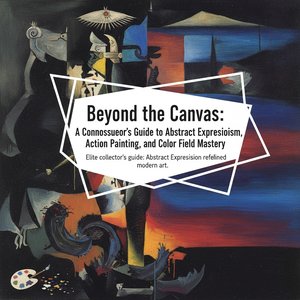
Unveil the visceral power of Abstract Expressionism. Our expert exploration delves into the transformative legacies of Pollock, Rothko, and De Kooning, offering discerning collectors a profound understanding of the New York School’s enduring mastery and historical impact.

Explore the profound legacy of American Modernism. From Geometric Abstraction to Abstract Expressionism, discover how this era redefined art history. Expert insights for elite collectors seeking to curate timeless, museum-quality masterpieces for their private collections.

![Untitled (still Life) [recto] — 马克·罗斯科](/media/artworks/images-full/81/76/8176c34b64f9b62d916edb9a2704ad25.jpg)
 效果预览
效果预览
 分享
分享 分享
分享
 详情
详情

 下载
下载
 相似作品
相似作品 X射线
X射线 幻灯片播放
幻灯片播放 Stats
Stats
 展开详情
展开详情









 玻璃选项仅适用于110厘米以下的尺寸。


