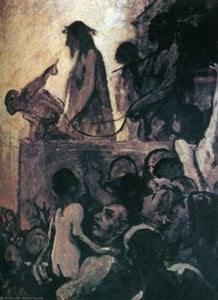
由我们的艺术家按需定制,为您提供您所选尺寸及画框的布面手工油画。 ( 切换至版画销售渠道 切换至数字图像销售渠道)





























从与原作比例一致的预设尺寸中进行选择。

您可以输入自定义尺寸,以适配特定的画框或空间。如果所选尺寸与原图比例不符,我们将通过裁剪作品或添加手绘元素来扩展画面。数字样稿将在制作开始前发送给您确认。
请注意,屏幕预览无法准确反映实际的裁剪或扩展效果,只有样稿才能真实呈现最终的构图。
虽然我们提供定制尺寸服务,但为了保留原作比例,建议您从预设列表中选择尺寸。

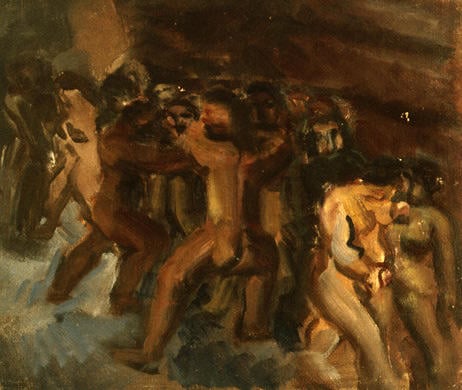
Untitled (scene with nude figures)
复制品尺寸
Mark Rothko’s “Untitled” (scene with nude figures), painted in 1964, stands as a cornerstone of Abstract Expressionism and arguably one of the most emotionally resonant artworks of the 20th century. More than just pigment on canvas; it's an invitation to confront profound questions about existence itself – questions Rothko wrestled with throughout his life’s turbulent journey.
Born in Dvinsk, Latvia, Markus Yakovlevich Rothkowitz experienced firsthand the anxieties of a Jewish family navigating antisemitism and political instability. This formative backdrop instilled within him an unwavering empathy for human suffering, a preoccupation that would permeate his artistic output. The subsequent relocation to Portland, Oregon, marked not merely a geographical change but a collision with new cultural currents – a move fraught with challenges of assimilation and shadowed by the premature death of his father.
Rothko’s distinctive style eschews representational imagery altogether. Instead, he employs large rectangular blocks of color—typically hues of crimson, orange, yellow, and blue—that bleed into one another, creating an ethereal haze. This technique, termed “color field painting,” prioritizes the emotional experience over visual perception. Rothko meticulously applied thin layers of oil paint to prepare the canvas, followed by multiple coats of pigment diluted with glazing mediums. The resulting surface is remarkably matte, absorbing light rather than reflecting it—a deliberate choice designed to foster contemplation and minimize distraction.
"Untitled" emerged during a period of intense artistic experimentation following World War II. Abstract Expressionists like Jackson Pollock and Willem de Kooning pushed the boundaries of painting, rejecting traditional conventions in favor of spontaneous gesture and unfiltered emotion. Rothko’s work aligns with this broader movement but distinguishes itself through its profound stillness and meditative quality. He sought to distill human experience into its purest form—color—believing that it could communicate feelings directly without relying on intellectual interpretation.
While Rothko vehemently denied any intention to imbue his paintings with symbolic meaning, scholars have identified recurring motifs suggestive of spiritual contemplation. The nude figures depicted within the composition are not anatomically precise but rather amorphous shapes that convey vulnerability and openness. Their positioning—often intertwined or overlapping—suggests a harmonious interconnectedness, mirroring Rothko’s belief in the universality of human emotion.
"Untitled" compels viewers to confront their own perceptions of beauty and sorrow. The sheer scale of the canvas overwhelms the senses, inviting immersion in a realm beyond rational thought. As Rothko himself famously stated, “I want people to come away from my paintings with a feeling that they have experienced something transcendent.” Indeed, gazing upon this masterpiece evokes a sense of awe—a recognition of the sublime—and prompts reflection on the fundamental mysteries of human existence.

1903 - 1970 , 拉脱维亚

Explore the profound history and emotional depth of Color Field painting. From Mark Rothko to Barnett Newman, discover how pure color redefined modern art through our expert-led guide for students and collectors alike.
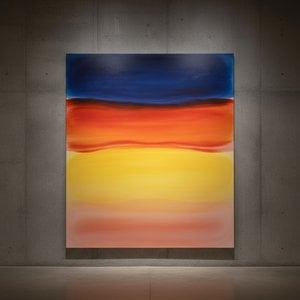
Explore the profound emotional depth of Mark Rothko's abstract expressionism. Discover the history, techniques & lasting impact of this pivotal Color Field painter. Expert insights for collectors and art enthusiasts.

探索抽象表现主义的十幅经典杰作!波洛克、罗斯科等大师作品,揭秘艺术史上的重要瞬间。WahooArt.com为您呈现高品质艺术品复制和精选家居装饰方案,感受现代艺术的力量与魅力。立即浏览全系列!

Explore the profound emotional depth of Color Field painting. Discover the history of mid-century abstraction, from Rothko to Newman, and learn how pure color transforms the viewer's experience through our expert art history guide.
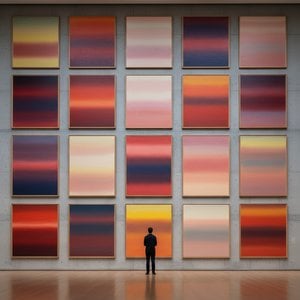
探索马克·罗斯科25幅杰作,感受抽象表现主义的色彩力量与深刻情感。从经典色域绘画到无题系列,了解艺术史上的大师及其作品背后的故事。WahooArt.com提供博物馆级高质量复制品,为您的家居装饰带来艺术灵感!立即探索完整收藏。

 效果预览
效果预览
 分享
分享 分享
分享
 详情
详情 指南
指南

 下载
下载
 相似作品
相似作品 X射线
X射线 幻灯片播放
幻灯片播放 统计数据
统计数据
 展开详情
展开详情









 玻璃选项仅适用于110厘米以下的尺寸。