
博物馆级艺术微喷或帆布版画,制作高效,并提供多种饰面选择。 ( 购买手绘画作 切换至数字图像销售渠道)





























从与原作比例一致的预设尺寸中进行选择。

您可以输入自定义尺寸,以适配特定的画框或空间。如果您选择的尺寸与原图比例不符,我们将对作品进行裁剪,或通过镜像填充/纯色填充边缘的方式来扩展图像。在开始制作之前,我们会向您发送一份数字效果图供您确认。
请注意,屏幕上的预览并不能反映实际的裁剪或扩展效果。只有效果图才能准确展示最终的构图。
虽然我们提供定制尺寸,但为了保持原图比例,我们建议您从预设列表中选择尺寸。

Untitled (Harvard Mural sketch) 1
复制品尺寸
In the vast landscape of Abstract Expressionism, few works command the quiet, heavy presence of Mark Rothko’s 1963 sketch, Untitled (Harvard Mural sketch) 1. Often referred to through its central motif as “I,” this piece serves as a profound meditation on the concept of emptiness and the individual's place within the void. At first glance, the viewer is met with a striking confrontation between form and nothingness. The composition is anchored by a large, abstracted white letter "I" that seems to float amidst a sea of deep, emotive tones. This is not merely a graphic exercise; it is a deliberate exploration of how a single mark can anchor the human psyche against the overwhelming tide of the unknown.
The technical mastery behind this work lies in Rothko’s signature method of color field painting, where the boundaries between shapes are intentionally blurred to create an ethereal glow. Through the meticulous application of thin, translucent layers of pigment, Rothko achieved a sense of internal luminosity. The canvas is dominated by a rich palette of cadmium red and muted crimson, colors that bleed into one another with a soft, atmospheric instability. This layering technique allows light to appear as if it is emanating from within the canvas itself, inviting the eye to move beyond the surface and sink into the perceived depth of the reds and browns that surround the central white figure.
To understand this work is to engage with the psychological weight of the post-war era. Influenced heavily by Jungian archetypes, Rothko sought to bypass the intellect and speak directly to the universal emotions of the human soul. The red hues in this sketch evoke a primal spectrum—ranging from the vitality of life and passion to the darker undertones of blood and vulnerability. The central "I" acts as a symbol of the self, standing solitary and somewhat distorted against an expansive, encroaching background. It represents the individual’s confrontation with mortality and the existential struggle to maintain identity in a world characterized by loss and transition.
For the discerning collector or interior designer, this piece offers more than just a visual focal point; it provides an emotional atmosphere. The painting’s ability to shift between warmth and somberness makes it a versatile yet profound addition to any curated space. Whether placed in a contemplative study or as a centerpiece in a modern gallery setting, the work demands a slow, rhythmic engagement. It is a piece that does not merely decorate a wall but transforms the very air of a room, turning a physical space into a sanctuary for thought and introspection.

1903 - 1970 , 拉脱维亚
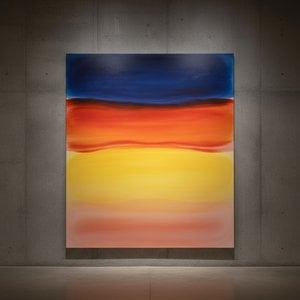
Explore the profound emotional depth of Mark Rothko's abstract expressionism. Discover the history, techniques & lasting impact of this pivotal Color Field painter. Expert insights for collectors and art enthusiasts.

探索抽象表现主义的十幅经典杰作!波洛克、罗斯科等大师作品,揭秘艺术史上的重要瞬间。WahooArt.com为您呈现高品质艺术品复制和精选家居装饰方案,感受现代艺术的力量与魅力。立即浏览全系列!
Explore 10 iconic white paintings by Monet, Whistler & Rothko! Discover the stories behind these serene masterpieces and their impact on art history. Find museum-quality reproductions for your home decor at .

Journey through Wassily Kandinsky's 25 most iconic abstract paintings. Explore his revolutionary use of color, form & spiritual expressionism. Find museum-quality Kandinsky reproductions and elevate your home decor with WahooArt.com. Discover all masterpieces on WahooArt.com!
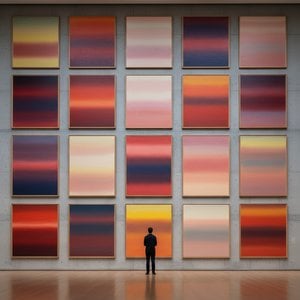
探索马克·罗斯科25幅杰作,感受抽象表现主义的色彩力量与深刻情感。从经典色域绘画到无题系列,了解艺术史上的大师及其作品背后的故事。WahooArt.com提供博物馆级高质量复制品,为您的家居装饰带来艺术灵感!立即探索完整收藏。


 效果预览
效果预览
 分享
分享 分享
分享
 详情
详情

 下载
下载
 相似作品
相似作品 X射线
X射线 幻灯片播放
幻灯片播放 统计数据
统计数据

 展开详情
展开详情









 玻璃选项仅适用于110厘米以下的尺寸。


