
博物馆级艺术微喷或帆布版画,制作高效,并提供多种饰面选择。 ( 购买手绘画作 切换至数字图像销售渠道)





























从与原作比例一致的预设尺寸中进行选择。

您可以输入自定义尺寸,以适配特定的画框或空间。如果您选择的尺寸与原图比例不符,我们将对作品进行裁剪,或通过镜像填充/纯色填充边缘的方式来扩展图像。在开始制作之前,我们会向您发送一份数字效果图供您确认。
请注意,屏幕上的预览并不能反映实际的裁剪或扩展效果。只有效果图才能准确展示最终的构图。
虽然我们提供定制尺寸,但为了保持原图比例,我们建议您从预设列表中选择尺寸。

Untitled (figure lying on park bench)
复制品尺寸
Mark Rothko’s “Untitled (Figure Lying on Park Bench)” isn’t merely a painting; it’s an invitation to contemplation. Completed in 1949, during the heart of his formative period as an abstract expressionist, this work encapsulates the core tenets of Rothko's signature style – vast fields of luminous color designed not to represent objects directly, but to evoke profound emotional responses within the viewer. The painting’s power resides in its ability to distill a complex human experience—solitude, introspection, perhaps even a touch of melancholy—into a deceptively simple composition.
The scene unfolds with remarkable restraint. A solitary figure, rendered almost as an amorphous silhouette, rests on a park bench beneath the expansive sky. The bench itself is subtly suggested, anchoring the figure within a space that feels both familiar and profoundly distanced. Rothko’s masterful use of color—a layered blend of deep blues, greens, and reds—creates an atmosphere of quiet intensity. These aren't vibrant hues meant to dazzle; rather, they are muted, almost somber tones, imbued with a sense of depth and luminosity that seems to emanate from within the canvas itself. The colors bleed into one another, blurring the boundaries between form and field, contributing to the painting’s dreamlike quality.
Rothko’s technique was revolutionary for its time. He eschewed traditional brushwork, opting instead for a process he described as “laying color on color.” He applied thin washes of paint directly to the canvas, allowing them to blend and merge organically. This method resulted in surfaces that appear almost velvety, with subtle gradations of tone and texture. The lack of sharp edges or defined forms is deliberate; Rothko sought to create a sense of immersion, encouraging the viewer to lose themselves within the painting’s chromatic depths. He famously stated, “I'm not interested in what I show, but in what I evoke.”
The layering technique also contributes significantly to the painting’s spatial ambiguity. The colors seem to recede and advance simultaneously, creating a sense of infinite space within the confines of the canvas. This effect is further enhanced by Rothko's careful attention to color temperature – the warmth or coolness of each hue – which subtly guides the viewer’s eye across the composition.
“Untitled (Figure Lying on Park Bench)” was created during a period of significant social and psychological upheaval in post-war America. The painting reflects the anxieties and uncertainties of the era, capturing a sense of isolation and alienation that resonated deeply with many viewers. The figure’s posture—relaxed yet vulnerable—suggests a moment of quiet contemplation, perhaps a respite from the pressures of urban life. It's important to note that Rothko himself often refused to provide definitive interpretations of his work, preferring to leave it open to individual experience.
Interestingly, the painting’s genesis is tied to Rothko’s own personal struggles with depression and a sense of displacement. Born in Latvia and immigrating to America as a young child, he carried within him a profound awareness of loss and the complexities of identity. The park bench itself can be seen as a symbol of transition—a place of rest and reflection between destinations.
“Untitled (Figure Lying on Park Bench)” remains one of Mark Rothko’s most iconic works, captivating audiences with its quiet intensity and profound emotional depth. High-quality reproductions capture a significant portion of the original's luminous quality, offering a window into this powerful piece of art history. When considering a reproduction for your home or office, seek out prints that utilize archival inks on museum-grade canvas to ensure color accuracy and longevity. The painting’s ability to evoke contemplation makes it an ideal addition to any space seeking serenity and artistic inspiration.

1903 - 1970 , 拉脱维亚
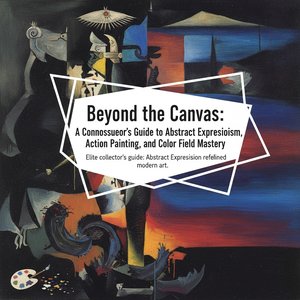
Unveil the visceral power of Abstract Expressionism. Our expert exploration delves into the transformative legacies of Pollock, Rothko, and De Kooning, offering discerning collectors a profound understanding of the New York School’s enduring mastery and historical impact.


 效果预览
效果预览
 分享
分享 分享
分享
 详情
详情 指南
指南

 下载
下载
 相似作品
相似作品 X射线
X射线 幻灯片播放
幻灯片播放 统计数据
统计数据
 展开详情
展开详情









 玻璃选项仅适用于110厘米以下的尺寸。


