
由我们的艺术家按需定制,为您提供您所选尺寸及画框的布面手工油画。 ( 切换至版画销售渠道 切换至数字图像销售渠道)





























您可以从与原作比例一致的预设尺寸中进行选择。

请输入您需要的宽度和高度,以适配您的画框或墙面。由于作品为手工绘制,若您选择不同的尺寸比例,艺术家可能会在画面边缘多画一些或稍作裁剪 —— 由您决定。在开始绘画之前,我们会为您发送一份数字效果图供您确认。本页面上展示的图片并非最终实物 —— 只有效果图才能反映真实结果。
Untitled 92
复刻品尺寸说明
Mark Rothko's Untitled 92 is not simply a painting; it’s an invitation into a deeply personal and profoundly moving emotional landscape. Created sometime between 1949 and 1970 – the peak of his mature style – this work exemplifies Rothko’s revolutionary approach to color field painting, an artistic movement that sought to bypass representational imagery altogether in favor of directly communicating feeling through abstract means. The canvas breathes with a luminous intensity, dominated by variations of pink, subtly interwoven with hints of yellow, orange and red. These aren't colors applied as descriptive elements, but rather as veils, layered upon one another to create an atmosphere of contemplative weight.
To understand Untitled 92, we must consider the historical context in which it emerged. Following the devastation of World War II, many artists felt that traditional modes of representation were inadequate to express the anxieties and existential questioning of the era. Rothko, a Latvian immigrant who experienced firsthand the displacement and trauma of the early 20th century, sought a new visual language capable of conveying universal human emotions. He moved away from figuration, gradually simplifying his compositions until they reached this iconic state: large rectangular blocks of color floating against softly blurred backgrounds. This wasn’t about depicting *something*; it was about creating an *experience*. The scale of Rothko's canvases is crucial; they are intended to envelop the viewer, immersing them in a field of pure sensation.
Rothko’s technique was deceptively simple. He applied thin washes of oil paint onto unprimed canvas, allowing the pigment to soak into the fabric and create a luminous, almost ethereal quality. The edges of his color blocks are not sharply defined but rather softly blurred, creating a sense of vibration and movement. Close examination reveals subtle variations in texture – areas where the paint is thicker, others where it’s nearly transparent. This delicate balance between control and chance contributes to the painting's emotional resonance. He wasn’t interested in demonstrating painterly skill; his goal was to create an atmosphere that would evoke a visceral response in the viewer. The layering of colors isn’t haphazard but carefully considered, with darker tones often placed beneath lighter ones to create depth and luminosity.
Rothko resisted any attempts to interpret his work literally. He believed that the meaning resided not in what the paintings *depicted* but in how they *felt*. He famously stated he wasn’t interested in color or form as ends in themselves, but rather as vehicles for expressing “basic human emotions—tragedy, ecstasy, doom.” Untitled 92 invites us to confront these fundamental aspects of the human condition. The pink hues, while seemingly gentle, carry a weight of melancholy and longing. The painting doesn’t offer answers; it poses questions about existence, mortality, and the search for meaning in a chaotic world. It is this ambiguity, this openness to interpretation, that makes Rothko's work so enduringly powerful. To stand before Untitled 92 is to embark on an inward journey, a silent dialogue with one’s own emotions.
马克·罗斯科 的《Untitled 92》 的视觉亮度为 brilliant。它可以与目标空间的灯光完美匹配。
"Untitled 92" 属于 马克·罗斯科 的 Color Field Painting 时期作品,其记录的主题包括 postwar aesthetic, existential emotion, color exploration, rothko legacy, meditative experience。
马克·罗斯科 的《Untitled 92》 所记录的情感基调为 Melancholic。它概括了作品所传达的情绪。

1903 - 1970 , 拉脱维亚
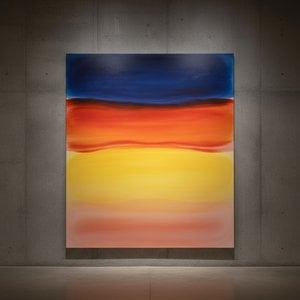
Explore the profound emotional depth of Mark Rothko's abstract expressionism. Discover the history, techniques & lasting impact of this pivotal Color Field painter. Expert insights for collectors and art enthusiasts.

Explore the profound emotional depth of Color Field painting. Discover the history of mid-century abstraction, from Rothko to Newman, and learn how pure color transforms the viewer's experience through our expert art history guide.

Explore the profound history and emotional depth of Color Field painting. From Mark Rothko to Barnett Newman, discover how pure color redefined modern art through our expert-led guide for students and collectors alike.
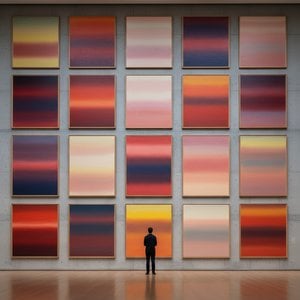
探索马克·罗斯科25幅杰作,感受抽象表现主义的色彩力量与深刻情感。从经典色域绘画到无题系列,了解艺术史上的大师及其作品背后的故事。WahooArt.com提供博物馆级高质量复制品,为您的家居装饰带来艺术灵感!立即探索完整收藏。

探索抽象表现主义的十幅经典杰作!波洛克、罗斯科等大师作品,揭秘艺术史上的重要瞬间。WahooArt.com为您呈现高品质艺术品复制和精选家居装饰方案,感受现代艺术的力量与魅力。立即浏览全系列!


 实景预览
实景预览
 发送
发送 分享
分享
 详情
详情 指南
指南

 下载图片
下载图片
 相似作品
相似作品 X射线
X射线 幻灯片播放
幻灯片播放 统计数据
统计数据

 阅读全文
阅读全文









 玻璃选项仅适用于110厘米以下的尺寸。


