Mark Rothko’s Untitled (19): A Symphony of Color and Existential Resonance
Mark Rothko’s “Untitled (19),” created in 1949, stands as a cornerstone of Abstract Expressionism—a movement that irrevocably altered the landscape of American art after World War II. More than just pigment on canvas, it embodies a profound exploration of emotion and spirituality, inviting viewers into a contemplative dialogue about the human condition.
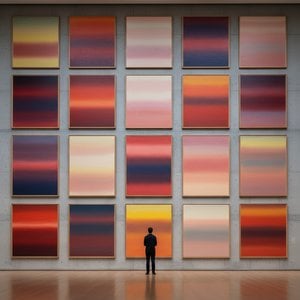
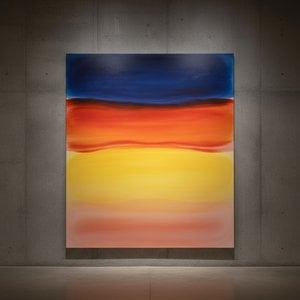
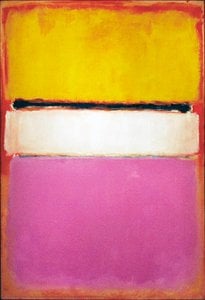
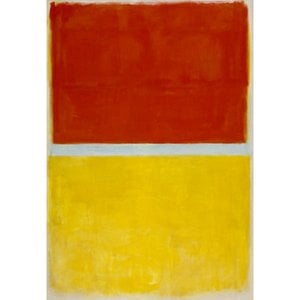
- Subject Matter: The painting eschews representational imagery altogether, presenting instead amorphous rectangular blocks of color—primarily orange—that bleed into one another. These forms are deliberately devoid of recognizable shapes or figures, prioritizing pure visual experience over narrative storytelling.
- Style & Technique: Rothko’s signature technique involved applying thin layers of oil paint using a rhythmic brushing motion, creating an almost velvety surface that diffuses light and enhances the color saturation. This method—known as “layered staining”—allowed for subtle gradations of hue and tone, fostering an atmosphere of hazy luminosity.
- Historical Context: Rothko emerged during the fervent debates surrounding Abstract Expressionism’s role in confronting the anxieties of postwar America. Artists like Pollock and Kline sought to express trauma and disillusionment through chaotic gestures, while Rothko pursued a more meditative approach—one aimed at bypassing conscious thought and accessing primal feelings.
- Symbolism: The orange hue dominates the canvas, often interpreted as representing warmth, vitality, and optimism amidst the pervasive darkness of existential contemplation. However, Rothko himself resisted definitive interpretations, stating that he wished to avoid imposing any particular meaning on his work—leaving it open to individual interpretation and emotional resonance.
- Emotional Impact: Viewing “Untitled (19)” is intended to be a visceral experience—a surrender to the painting’s immersive color palette and textural surface. Critics have described it as capable of eliciting feelings of awe, melancholy, and profound introspection, reflecting Rothko's belief that art could communicate truths beyond language.
The artwork’s deliberate simplicity is precisely what distinguishes it from other artistic endeavors of its time. It eschews the conventions of realism for a more emotive exploration of color and form—a testament to Rothko’s unwavering commitment to conveying profound psychological states.
Detailed Examination: Color Field Painting & Rothko's Vision
Rothko’s approach to painting aligns perfectly with the broader tenets of Color Field painting, pioneered by artists like Barnett Newman and Helen Frankenthaler. Unlike Impressionism or Cubism, which focus on capturing visual details, Color Field painters prioritize expansive areas of color—often monochromatic—to create immersive environments that stimulate contemplation.
- Newman’s Influence: Barnett Newman's monumental canvases, featuring vertical stripes of pigment separated by stark white spaces, profoundly impacted Rothko’s artistic sensibilities. Newman championed the idea that art should transcend representational concerns and engage viewers on a purely sensory level—a pursuit that mirrored Rothko’s own ambition.
- Frankenthaler’s Technique: Helen Frankenthaler's pioneering use of “grid” painting—where wax resists pigment application—influenced Rothko's exploration of textural surfaces and color interactions. This technique sought to liberate paint from traditional boundaries, mirroring Rothko’s desire to create works that felt unbound by conventional artistic conventions.
Rothko believed that color possessed inherent expressive power—capable of conveying emotions and ideas without resorting to explicit imagery. He meticulously considered the psychological effects of hue and saturation, striving to evoke feelings of serenity and transcendence.
The Significance of Absence: Rothko's Minimalist Aesthetic
“Untitled (19)” exemplifies Rothko’s minimalist aesthetic—characterized by a deliberate reduction of visual elements to their essential forms. This stylistic choice reflects Rothko’s conviction that art could achieve its greatest impact through simplicity and restraint.
- Rejecting Representation: Rothko deliberately rejected representational imagery, arguing that it distracted from the painting's core purpose—namely, to stimulate emotional contemplation. He sought to bypass conscious thought and access primal feelings—a goal achieved through the absence of recognizable forms.
- Emphasis on Texture & Light: The painting’s textured surface—created by Rothko’s layering technique—plays a crucial role in shaping its visual experience. Furthermore, the diffused light emanating from the canvas enhances the color saturation and contributes to an atmosphere of ethereal luminosity.
Rothko's unwavering dedication to minimalist principles solidified his position as one of the most influential artists of the postwar era—a legacy that continues to inspire contemporary painters and designers alike.



 效果预览
效果预览
 购买手绘画作
 分享
分享 分享
分享
 详情
详情

 下载
下载
 相似作品
相似作品 X射线
X射线 幻灯片播放
幻灯片播放
 展开详情
展开详情






































 玻璃选项仅适用于110厘米以下的尺寸。