
博物馆级艺术微喷或帆布版画,制作高效,并提供多种饰面选择。 ( 订购此收藏品的纯手工复刻画作 切换至数字图像销售渠道)





























您可以从与原作比例一致的预设尺寸中进行选择。

请输入您所需的宽度和高度,以适配您的画框或墙面。由于印刷品只能进行裁剪,无法超出原图尺寸,因此若比例不一致,画面的一部分将会被裁切。在正式印刷之前,我们会为您发送一份数字效果图供您确认。本页面显示的图片并非最终裁剪后的效果——只有效果图才能展示真实的裁剪情况。
Untitled 127
复刻品尺寸说明
Mark Rothko's "Untitled 127," a deceptively simple black and white photograph capturing an oil-on-canvas painting, isn’t merely a depiction of color; it’s an invitation to a profound, almost unsettling, dialogue with the viewer. Born in 1903 in Dvinsk, Latvia – a landscape etched by displacement and historical upheaval – Rothko's early life profoundly shaped his artistic vision. The anxieties of a Jewish family amidst political unrest instilled within him a sensitivity to human suffering, a theme that would become a recurring motif throughout his oeuvre. This sense of unease, coupled with the trauma of his father’s death shortly after the family’s immigration to Portland, Oregon in 1913, fueled an exploration of existential themes – mortality, loss, and the persistent search for meaning within a seemingly indifferent universe. The photograph itself, stripped of color, forces us to confront the raw emotionality of Rothko's work, highlighting the interplay of light and shadow, form and void that defines his signature style.
At first glance, "Untitled 127" presents a deceptively straightforward composition: a large square dominated by a darker central area, encircled by lighter zones. However, closer inspection reveals a complex interplay of smaller squares within this core, creating an intricate pattern that subtly deepens the sense of spatial depth. Rothko’s technique is characterized by its deliberate simplicity and profound restraint. He eschewed overt gestures or brushstrokes, opting instead for thin layers of oil paint applied to canvas – sometimes almost translucent – to create fields of color that seem to vibrate with an inner light. The photograph expertly captures this delicate layering, revealing the subtle gradations of tone and texture that are crucial to understanding Rothko’s approach. The use of black as a dominant element isn't simply about darkness; it represents a void, a space for contemplation, a reflection on the unknown.
Understanding Rothko requires considering his broader artistic context and particularly his involvement with the Rothko Chapel in Houston, Texas. Commissioned by John and Dominique de Menil, the chapel was designed to be a space for meditation and reflection, mirroring the emotional intensity of Rothko’s paintings. The fourteen murals within the chapel – including variations on “Untitled 127” – are intended to evoke a sense of awe and spiritual connection. The Chapel's architecture itself—an octagon inscribed in a Greek cross—was heavily influenced by Rothko’s vision, creating an environment that amplifies the contemplative power of his work. The chapel served as a crucial testing ground for Rothko’s ideas about color and form, demonstrating how these elements could be used to communicate profound emotional truths without resorting to representational imagery.
“Untitled 127,” whether viewed as a photograph or the original painting, remains a powerfully evocative work. It’s not about depicting a specific scene or object; it's about conveying an emotional state – a sense of longing, vulnerability, and perhaps even transcendence. Rothko believed that his paintings could act as “windows” into the soul, offering viewers a glimpse beyond the surface of reality. The stark simplicity of the composition, combined with the subtle shifts in color and tone, creates a space for individual interpretation and emotional resonance. Reproductions of this piece offer an accessible way to experience Rothko’s profound vision, bringing his exploration of existential themes into any setting – from a contemplative gallery space to a carefully considered interior design.
您可以在作品的幻灯片播放页面上观看“Untitled 127”的幻灯片展示。
马克·罗斯科 的《Untitled 127》 所属的艺术流派为 Abstract Expressionism。这一分类将该作品置于相关艺术家及艺术作品的语境之中。
马克·罗斯科 的创作主题常涉及 lived experience, trauma, existentialism, jewish identity, displacement, loss, color as emotion, spiritual depth;而《Untitled 127》则聚焦于 color field, rothko, abstraction, emotion, square, darkness, light。

1903 - 1970 , 拉脱维亚
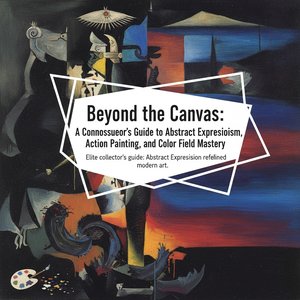
Unveil the visceral power of Abstract Expressionism. Our expert exploration delves into the transformative legacies of Pollock, Rothko, and De Kooning, offering discerning collectors a profound understanding of the New York School’s enduring mastery and historical impact.


 实景预览
实景预览
 发送
发送 分享
分享
 详情
详情 指南
指南

 下载图片
下载图片
 相似作品
相似作品 X射线
X射线 幻灯片播放
幻灯片播放 统计数据
统计数据
 阅读全文
阅读全文









 玻璃选项仅适用于110厘米以下的尺寸。


